




What's Happening?
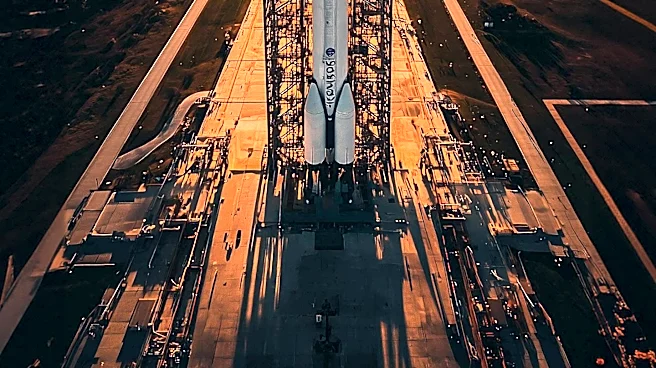
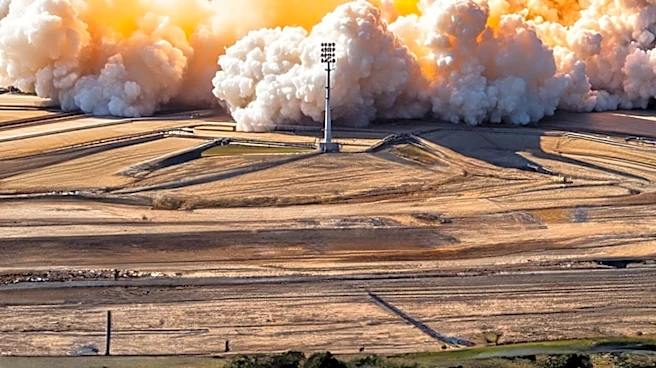
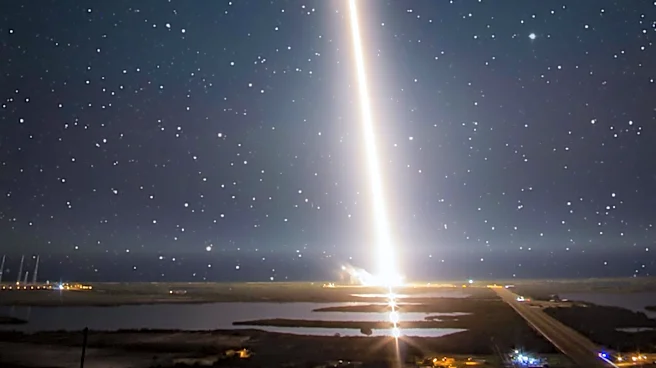
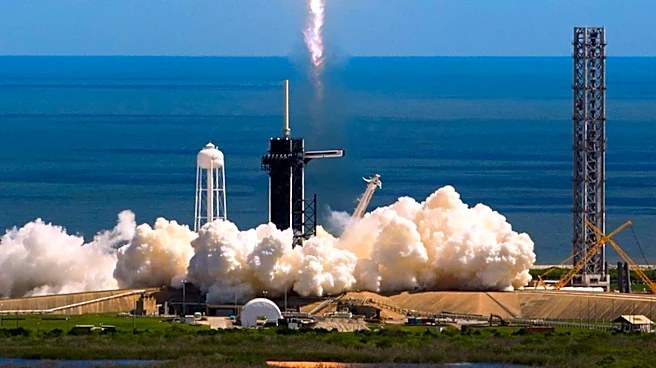
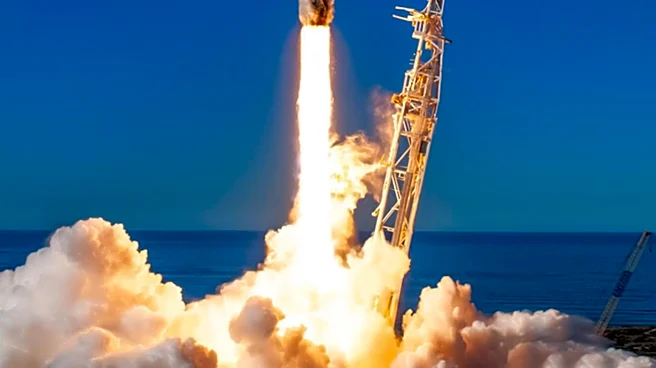
SpaceX successfully launched 24 Starlink satellites from Vandenberg Space Force Base in California on July 31, 2026. The launch, initially scheduled for July 27, was delayed but proceeded without issues at 8:08 p.m. PDT. The mission, known as Starlink 17-52,
adds to SpaceX's growing constellation of broadband internet satellites, which now exceeds 10,800 in low Earth orbit. The Falcon 9 rocket used for this mission, designated B1081, completed its 26th flight and successfully landed on the droneship 'Of Course I Still Love You' in the Pacific Ocean. This marks the 214th landing for this particular droneship and the 643rd orbital booster landing for SpaceX.
Why It's Important?
The continued expansion of the Starlink satellite network is significant for global internet connectivity, particularly in remote and underserved areas. By increasing the number of satellites in orbit, SpaceX aims to enhance the speed and reliability of its internet service. This development is crucial for bridging the digital divide and providing high-speed internet access to regions lacking traditional infrastructure. Additionally, the successful reuse of the Falcon 9 booster underscores SpaceX's commitment to cost-effective and sustainable space operations, which could influence future commercial and governmental space endeavors.
What's Next?
SpaceX plans to continue launching additional Starlink satellites to further expand its network and improve service quality. The company is also working on enhancing the capabilities of its satellites to support higher data throughput and lower latency. As the constellation grows, SpaceX may face regulatory challenges and competition from other satellite internet providers. The company will need to navigate these issues while maintaining its technological edge and customer satisfaction.