







What's Happening?
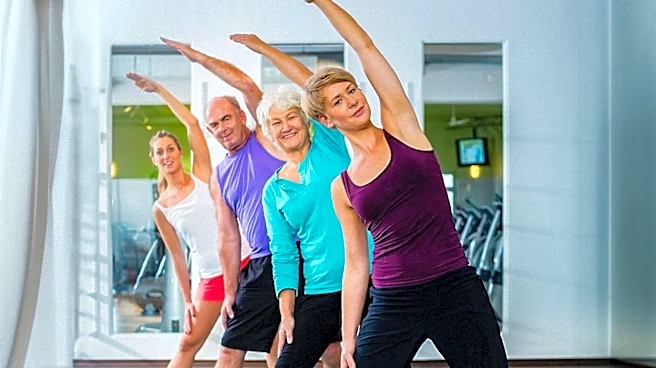
Seniors are encouraged to integrate simple fitness habits into their daily routines to enhance ease of living and overall well-being. Key recommendations include walking daily, engaging in easy strength training, practicing balance exercises, and stretching
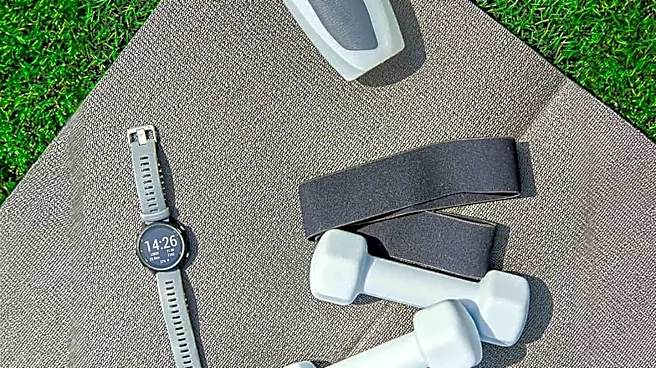
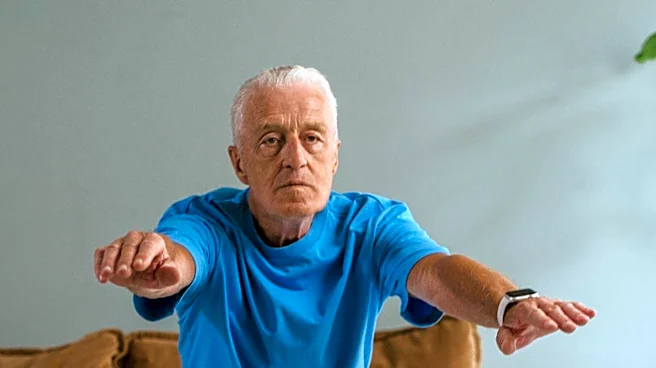
in the morning. These habits are presented as accessible ways to improve physical function without requiring complex or expensive routines. For instance, daily walks can start with short 10-minute strolls, gradually increasing in duration. Strength training can involve simple actions like sitting and standing from a chair or using soup cans for bicep curls. Balance can be improved by standing on one foot while brushing teeth or practicing heel-toe walking. Morning stretches are suggested to combat stiffness and improve flexibility. The advice emphasizes consistency over perfection, suggesting that even short workouts are beneficial, and highlights the importance of rest for muscle recovery.
Why It's Important?
Adopting these simple fitness habits is crucial for seniors as it directly impacts their ability to perform everyday tasks and maintain independence. Stronger legs and arms make activities like standing from a chair or carrying groceries easier, reducing the risk of strain or injury. Improved balance is vital for preventing falls, a significant concern for older adults, by enhancing stability during movements like stepping onto a curb or reaching for high shelves. Regular stretching can alleviate morning stiffness, improve flexibility, and increase the overall ease of movement, contributing to a better quality of life. By focusing on consistency and incorporating movement throughout the day, seniors can counteract the negative effects of inactivity, such as stiffness, and foster a more active and healthier lifestyle without the need for specialized equipment or gym memberships.
What's Next?
Seniors can begin by selecting one or two of the suggested habits that seem most manageable and gradually incorporate them into their daily lives. The recommendation is to master one habit over a few weeks before adding another, promoting a sustainable approach to fitness. Individuals with medical conditions or those who have been inactive are advised to consult their doctor or physical therapist before starting any new exercise regimen to ensure safety and suitability. Continued practice and mindful adjustments to exercises based on comfort levels are encouraged. The long-term goal is to build a routine that supports physical health and independence, making daily activities less strenuous and more enjoyable.
Beyond the Headlines
The emphasis on simple, accessible fitness habits for seniors underscores a broader shift towards preventative health and self-care in aging populations. This approach recognizes that significant health benefits can be achieved through small, consistent efforts rather than intensive, high-impact workouts. It also highlights the importance of listening to one's body and prioritizing recovery, which is particularly relevant for older adults whose bodies may require more time to recuperate. This philosophy can empower seniors to take an active role in managing their physical health, fostering a sense of agency and improving mental well-being alongside physical gains. The integration of such habits into daily life can also reduce healthcare burdens by mitigating age-related physical decline and preventing common injuries.