



What's Happening?
New data from Airbnb indicates that fall has surpassed other seasons as the most popular time for weekend getaways among U.S. travelers. The company's booking data for 2025 showed that more weekend trips were taken in autumn than in any other season.
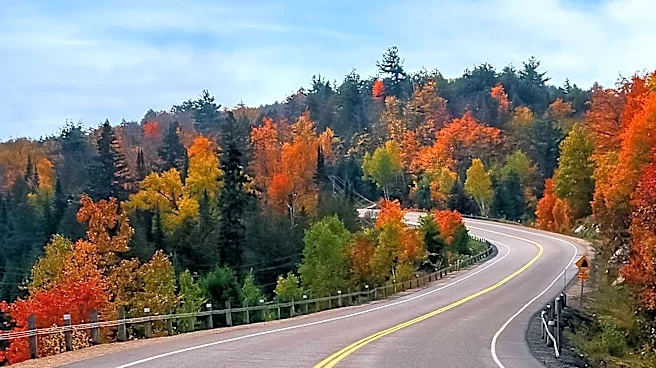
This trend is expected to continue, with a July survey commissioned by Airbnb revealing that 60% of 2,000 U.S. adults plan a weekend getaway this fall. Interest in fall travel is also reflected in increased fall-themed wishlist activity on the platform, with terms like 'fall getaway,' 'fall foliage,' and 'apple picking' seeing unprecedented growth. Top trending destinations for fall weekend trips include Tannersville, New York; Jim Thorpe, Pennsylvania; Blue Ridge, Georgia; Blowing Rock, North Carolina; and Fayetteville, West Virginia. These locations offer attractions such as mountain scenery, changing leaves, scenic railroads, and orchards, which are well-suited for shorter, cozy escapes.
Why It's Important?
This shift in travel preferences highlights a significant trend in the U.S. tourism and hospitality sectors. The increased demand for fall weekend getaways could lead to economic boosts for smaller, scenic towns that offer autumnal attractions, potentially extending the peak tourist season beyond summer. Businesses in these regions, including local accommodations, restaurants, and activity providers, stand to gain from the influx of visitors. For Airbnb, this data reinforces its market position in facilitating diverse travel experiences and could influence its marketing strategies to further capitalize on fall travel trends. The preference for shorter, nature-focused trips also reflects evolving consumer behaviors, possibly driven by a desire for more frequent, less demanding breaks compared to traditional longer vacations.
What's Next?
Given the sustained interest in fall travel, Airbnb and similar travel platforms are likely to enhance their offerings and promotions for autumnal destinations. Local tourism boards in the identified trending locations may increase their marketing efforts to attract more visitors, potentially leading to further development of fall-specific activities and events. The hospitality industry might adapt by offering more tailored packages for fall getaways, focusing on experiences like foliage tours, apple picking, and cozy cabin stays. This trend could also encourage investment in infrastructure and services in these popular fall destinations to accommodate the growing number of tourists. Travelers can expect a wider array of options and potentially more competitive pricing as the market responds to this demand.
Beyond the Headlines
The rise of fall as a prime season for weekend getaways suggests a broader cultural shift towards appreciating seasonal beauty and seeking more frequent, shorter breaks. This trend could have environmental implications, as increased tourism in natural areas during the fall might necessitate more robust conservation efforts and sustainable tourism practices. It also points to a potential re-evaluation of leisure time, where quick escapes are prioritized over extended vacations, possibly due to work-life balance considerations or a desire for more diverse experiences throughout the year. The focus on 'cozy' and 'quaint' destinations may also reflect a yearning for simpler, more authentic travel experiences away from crowded urban centers, influencing regional development and preservation efforts in these smaller towns.