





What's Happening?
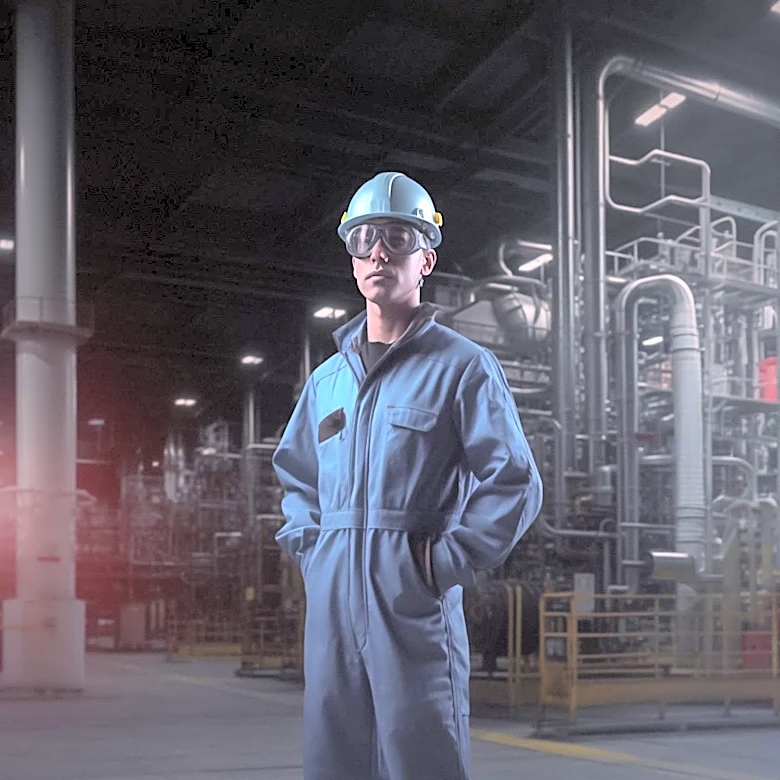
The U.S. industrial automation sector is experiencing a significant bottleneck in skilled labor, a challenge exacerbated by the rapid acceleration of power generation and data center construction projects. According to Dennis Gansen of Schneider Electric,
these large-scale projects are competing for a limited pool of skilled workers, including welders, wire pullers, and other craftspeople. For decades, there has been a societal push for young people to pursue office-based or computer-focused careers, often sidelining hands-on trades. This mindset has led to a shortage of individuals capable of building the physical infrastructure necessary for technological advancements. The industry now requires skilled workers whose roles are increasingly technology-driven, yet the supply of such labor is insufficient to meet current demands. This issue is a critical point of discussion among industry experts, highlighting the need for a renewed focus on vocational training and the promotion of skilled trades as viable and essential career paths.
Why It's Important?
This skilled labor shortage poses a substantial threat to the growth and efficiency of critical U.S. infrastructure, particularly in power generation and data center development. These sectors are foundational to the nation's economic and technological progress, and delays or increased costs due to labor scarcity can have ripple effects across various industries. The lack of skilled craftspeople directly impacts project timelines, budgets, and the overall capacity for innovation and expansion. Furthermore, it underscores a broader societal challenge in valuing and encouraging vocational training. If the U.S. continues to prioritize academic paths over skilled trades, it risks undermining its ability to maintain and build essential physical infrastructure, potentially leading to a decline in industrial competitiveness and an increased reliance on foreign labor or technology that cannot fully replace human craftsmanship. Addressing this imbalance is crucial for long-term economic stability and technological leadership.
What's Next?
Addressing the skilled labor bottleneck will likely involve multi-faceted approaches. Industry leaders and educational institutions may need to collaborate more closely to develop and promote vocational training programs that align with current and future industrial needs. This could include apprenticeships, technical certifications, and partnerships that provide hands-on experience. There may also be a push to reframe the perception of skilled trades, emphasizing their technological sophistication, career stability, and competitive wages to attract younger generations. Companies might invest in advanced automation and AI tools to augment the existing workforce, though experts like Gansen acknowledge that AI cannot fully replace human craft skills like welding. Policy discussions could also emerge regarding incentives for individuals to enter skilled trades and for businesses to invest in training their workforce. The goal will be to cultivate a robust pipeline of skilled labor to support ongoing and future infrastructure projects.
Beyond the Headlines
The skilled labor shortage in industrial automation highlights a deeper cultural and educational challenge within the U.S. The long-standing emphasis on four-year college degrees has inadvertently devalued vocational training, leading to a generational gap in essential craft skills. This trend has ethical implications regarding equitable access to diverse career paths and the societal recognition of different forms of labor. The long-term shift could see a re-evaluation of educational priorities, potentially leading to increased funding and prestige for technical and vocational schools. Furthermore, the integration of advanced technologies like AI and automation into these trades will necessitate a workforce that is not only skilled in traditional crafts but also proficient in operating and maintaining sophisticated digital systems. This evolution could transform the nature of skilled labor, making these roles more intellectually stimulating and technologically advanced, thereby attracting a new demographic of workers and reshaping the future of industrial employment.