





What's Happening?
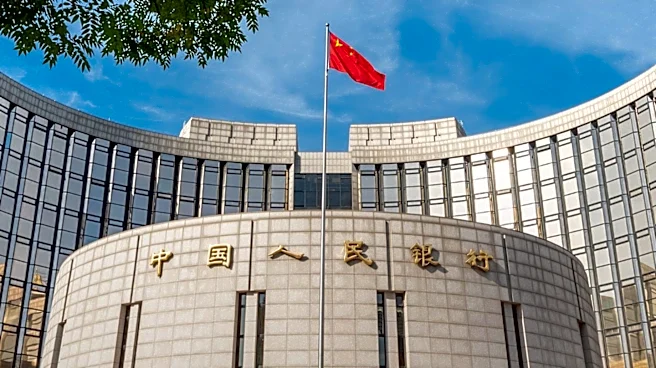
The People's Bank of China (PBOC) has committed to maintaining ample liquidity within the financial system, acknowledging a more complex and uncertain development environment for the country. This pledge was outlined in its China Financial Stability Report
2026, released on Friday, November 27. The central bank noted that China faces profound changes during the 15th Five-Year Plan period (2026–2030), characterized by strategic opportunities alongside increasing risks and unpredictable factors. The PBOC reiterated its intention to pursue a more proactive fiscal policy and a moderately loose monetary policy. This approach involves deploying various monetary policy tools flexibly to enhance financial support for expanding domestic demand, technological innovation, and micro and small enterprises. The report also highlighted that China's financial system remains sound overall, with financial risks generally receding and under control. Efforts are also underway to optimize monetary policy tools for capital markets, such as the Securities, Funds and Insurance Companies Swap Facility and the share buyback and shareholding increase relending facility.
Why It's Important?
This announcement from China's central bank is significant given the current global economic landscape and escalating trade tensions, particularly with the United States. The commitment to ample liquidity aims to stabilize China's economy, which is grappling with weak domestic consumption due to a prolonged property crisis. The intensifying trade frictions, exemplified by recent U.S. tariffs on Chinese goods and warnings of potential increases, add another layer of complexity. By ensuring liquidity, the PBOC seeks to mitigate the impact of these external pressures and support key sectors of its economy. This strategy could influence global supply chains and trade dynamics, as a stable Chinese economy can either absorb more imports or intensify export competition. For U.S. businesses and policymakers, China's monetary policy decisions are crucial indicators of its economic health and its potential impact on international trade relations and global financial markets. The focus on domestic demand and technological innovation also signals China's long-term economic priorities, which could affect global competition in these areas.
What's Next?
In the immediate future, China is expected to implement its stated proactive fiscal and moderately loose monetary policies, utilizing a range of tools to inject liquidity and support targeted economic sectors. This could involve further adjustments to interest rates, reserve requirements, or direct lending programs to businesses. The ongoing trade discussions with the U.S. will be a critical factor, as any breakdown could lead to further tariff escalations, prompting Beijing to intensify its domestic economic support measures. The PBOC's focus on technological innovation suggests continued investment in strategic industries, potentially leading to increased competition in global tech markets. Stakeholders, including international investors and multinational corporations operating in China, will closely monitor the effectiveness of these policies in stimulating domestic demand and mitigating economic risks. The trajectory of China's property market will also remain a key indicator, as its stabilization is crucial for broader economic recovery and consumer confidence.
Beyond the Headlines
Beyond the immediate economic implications, the PBOC's stance reflects a broader strategic pivot by China to bolster its internal economic resilience amidst a challenging global environment. The emphasis on expanding domestic demand and technological innovation signals a long-term strategy to reduce reliance on export-driven growth and enhance self-sufficiency, particularly in critical technologies. This could lead to a more insular economic model in the long run, potentially altering global trade patterns and investment flows. The ongoing trade disputes with the U.S. and Europe are accelerating this shift, pushing China to develop its own robust internal market and technological capabilities. This strategic reorientation has profound geopolitical implications, as it could reshape global economic power dynamics and influence international cooperation on trade and technology. The commitment to financial stability also underscores China's efforts to manage systemic risks, which could have ripple effects across global financial markets given China's economic size.