





What's Happening?
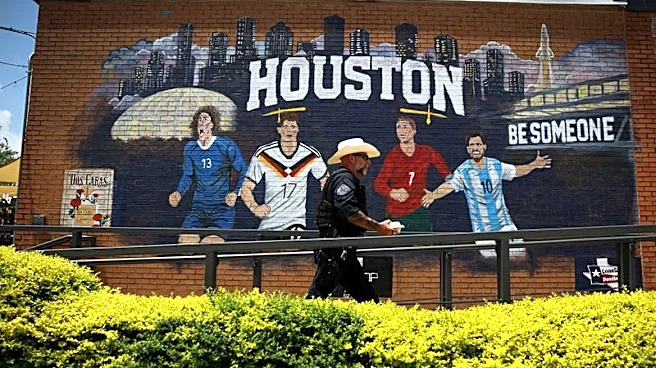
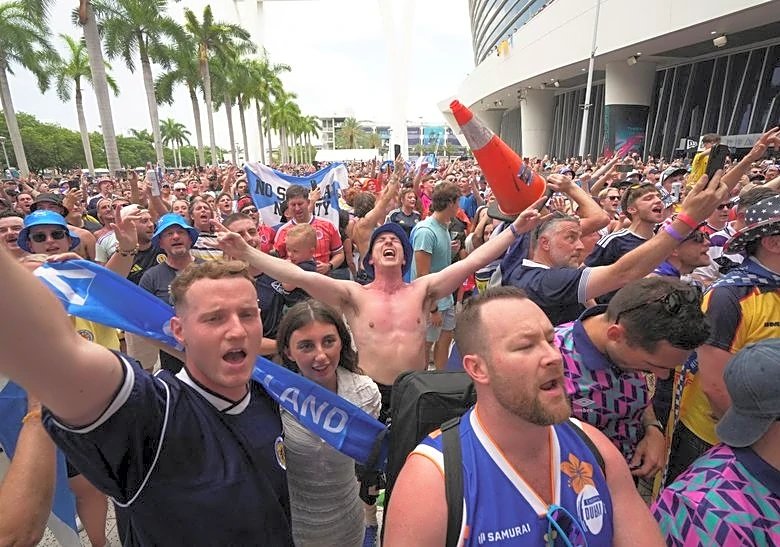
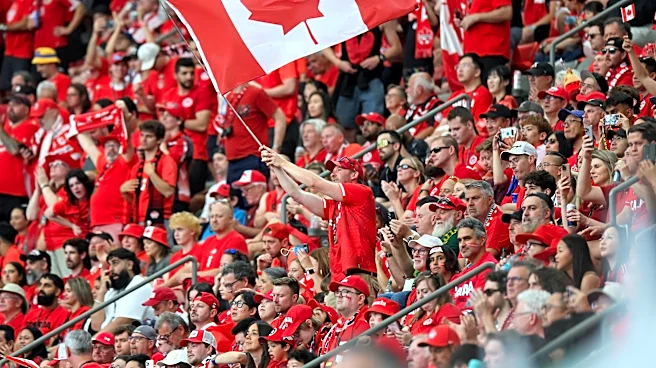
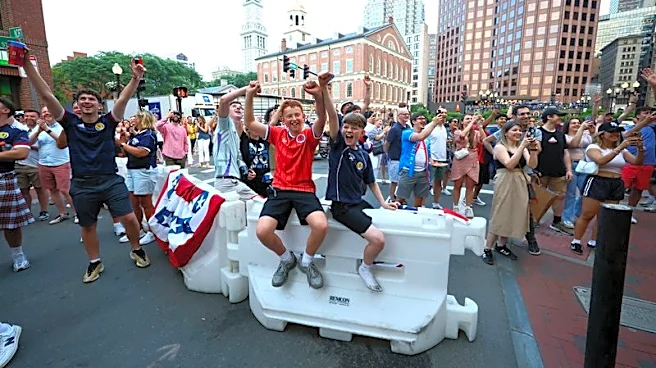
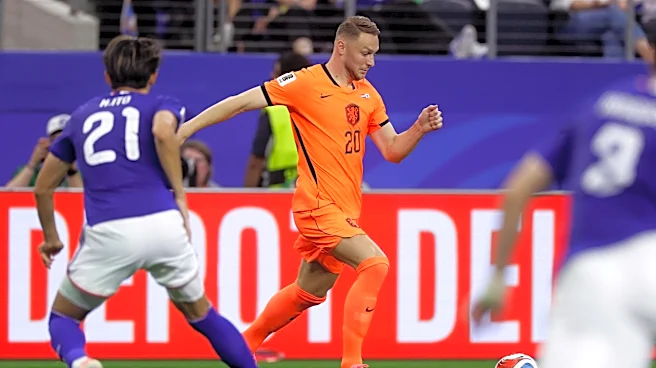
The World Cup has brought fans from 47 countries to the United States, creating a vibrant atmosphere as they explore American culture and engage in spirited displays of national pride. Fans have expressed delight in American staples like ranch dressing
and Texas barbecue, while Americans are captivated by the colorful and enthusiastic support for teams. Notable scenes include Norwegian fans performing a Viking ship rowing simulation in Times Square and Japanese fans cleaning stadiums after matches. The tournament, held across venues in the U.S., Canada, and Mexico, has seen high attendance and a reciprocal cultural exchange between international visitors and locals.
Why It's Important?
The World Cup serves as a unique opportunity for cultural exchange and mutual appreciation between international visitors and Americans. It highlights the power of sports to unite people across borders and foster goodwill. The event also showcases the U.S. as a welcoming host, countering narratives of division and isolation. The influx of international fans boosts local economies and promotes cultural tourism, while the positive interactions between fans and locals enhance the U.S.'s global image. The tournament's success could influence future international events hosted in the U.S., reinforcing its reputation as a diverse and inclusive destination.
What's Next?
As the World Cup continues, more cultural exchanges and interactions are expected, further enriching the experience for both visitors and locals. The tournament's conclusion in July will likely see reflections on its impact on U.S. tourism and international relations. The positive reception of international fans may encourage U.S. cities to bid for future global events, leveraging the success of the World Cup to attract more visitors. Additionally, the event's cultural impact could inspire ongoing efforts to promote inclusivity and diversity in American society.