





What's Happening?
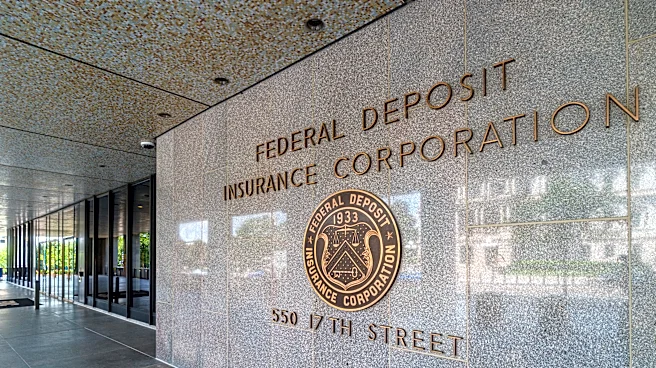
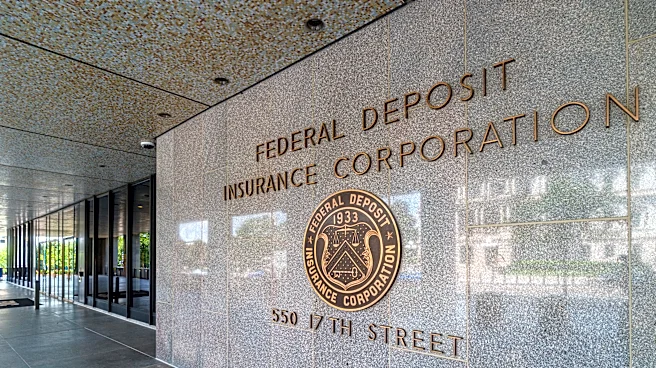
As of November 23, 2026, high-yield savings accounts are offering annual percentage yields (APYs) of up to 4.70%, significantly higher than the national average savings rate of 0.39% reported by the Federal Deposit Insurance Corporation (FDIC). This trend
provides a substantial opportunity for savers to maximize their earnings on deposited funds. Financial industry consultants at Curinos, in partnership with Fortune, analyze daily reports on savings account and certificate of deposit (CD) rates from various financial institutions to identify these top-performing accounts. While traditional banks with extensive branch networks often offer lower interest rates, many high-yield accounts are provided by online banks with a more limited range of banking products and no physical branches. This online-centric model allows them to offer more competitive rates.
Why It's Important?
The availability of high-yield savings accounts with APYs significantly above the national average is crucial for U.S. consumers looking to grow their savings. For individuals building emergency funds, saving for major purchases, or preparing for retirement, these accounts offer a low-effort way to earn considerably more interest. For example, a $5,000 deposit in an account with a 5.00% APY could yield $256 in interest over a year, compared to just $22 from an account with a 0.40% APY. This difference can have a substantial impact on personal financial growth. Key factors for savers to consider include competitive APYs, low or no minimum balance requirements, absence of monthly fees, easy accessibility of funds, and FDIC or NCUA insurance to ensure security.
What's Next?
While the Federal Reserve has made cuts to the federal funds rate in late 2025, which can influence savings rates, many high-yield savings accounts continue to offer APYs above 4.00%. Market watchers are not anticipating further rate cuts in the immediate future, with only one Fed meeting remaining on the calendar for 2026. This suggests that high-yield savings accounts will likely remain a strong option for earning interest while maintaining liquidity. However, savers willing to sacrifice immediate access to their funds for a locked-in rate might consider certificate of deposit (CD) accounts as an alternative. Regardless of the account type, any interest earned on savings will be subject to taxes.
Beyond the Headlines
The divergence between high-yield online savings accounts and traditional bank offerings highlights a broader shift in the banking landscape. The rise of online-only financial institutions, with their lower overhead costs, has enabled them to disrupt the market by offering more attractive rates to consumers. This trend encourages greater financial literacy and active management of personal finances, as individuals must proactively seek out the best rates rather than relying solely on their primary banking institutions. It also underscores the importance of understanding FDIC/NCUA insurance to protect deposits, especially as consumers explore a wider array of banking options beyond conventional brick-and-mortar establishments. The ongoing competition among financial institutions for deposits benefits consumers by driving up interest rates on savings.