




What's Happening?
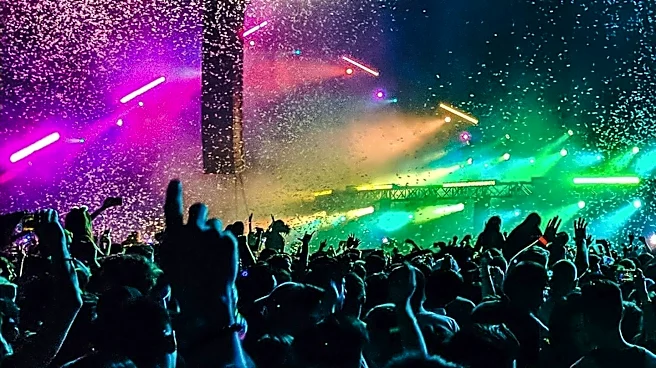
Midlife women are increasingly turning to rave culture and EDM events as a significant outlet for mental well-being, stress relief, and community connection. A 2025 study in Psychology of Music, surveying 136 women aged 40 to 65, found that raving provides
an escape from daily demands, eases anxiety and depression, and fosters a sense of belonging. Participants describe the immersive music and dancing as a way to interrupt rumination and stay present, creating mental clarity. This trend reflects changing attitudes about aging, with women feeling less constrained by traditional expectations. The rave scene offers a space for playfulness, spontaneity, and social connection, which can be challenging to find as one gets older. Many women find the environment inclusive and welcoming, fostering a sense of collective effervescence and shared joy.
Why It's Important?
This trend highlights a significant shift in how midlife women approach mental health and self-care, moving beyond conventional wellness advice. It challenges ageist stereotypes by demonstrating that vibrant, high-energy activities are not exclusive to youth. The embrace of rave culture by this demographic underscores the universal human need for community, expressive outlets, and joy, regardless of age. For many, it provides a powerful antidote to feelings of invisibility or isolation that can accompany midlife. This movement could influence the wellness industry to offer more diverse and inclusive activities for older adults, recognizing their desire for dynamic and engaging experiences. It also emphasizes the therapeutic power of music and dance in fostering mental resilience and social bonds.
What's Next?
The growing participation of midlife women in rave culture may lead to an evolution in the EDM scene itself, potentially influencing event organizers to create more inclusive and accessible experiences, such as earlier start times or diverse event formats. We might see an increase in sober raves or daytime dance events catering to this demographic. The wellness industry could also take cues from this trend, developing new programs that combine music, dance, and community for older adults. Further research into the specific mental health benefits of immersive music and dance for this age group could provide deeper insights and validate these experiences as legitimate therapeutic avenues. This could also inspire other cultural shifts, encouraging older adults to explore non-traditional forms of recreation and self-expression.
Beyond the Headlines
Beyond the immediate mental health benefits, this phenomenon reflects a deeper cultural re-evaluation of aging and identity for women. It signifies a rejection of societal pressures that often dictate how women should behave or what activities are appropriate as they age. By engaging in rave culture, these women are actively reclaiming agency over their leisure time and self-expression, challenging the notion that midlife is a period of winding down. This movement fosters a sense of empowerment and visibility, allowing women to define joy and self-care on their own terms. It also highlights the enduring power of collective experiences and shared cultural spaces to build community and combat loneliness in an increasingly fragmented society, suggesting a broader desire for authentic connection and uninhibited self-expression across all age groups.