





What's Happening?
Epic Games is making a significant shift towards artificial intelligence (AI) in its video game development, a move that has led to the delay of its upcoming collaboration with The Walt Disney Company. CEO Tim Sweeney has publicly stated that the company
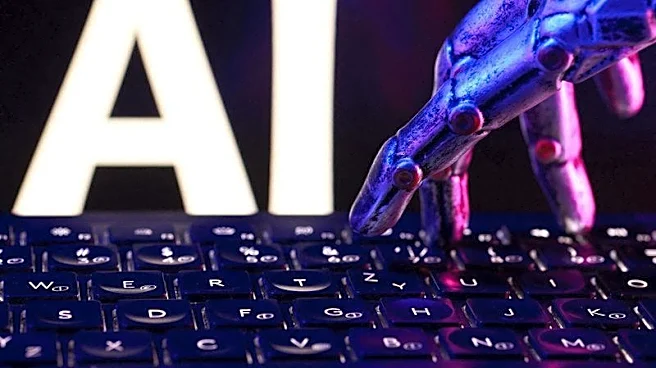
is undergoing a 'huge pivot' to restructure development teams for 'maximum AI acceleration.' The goal is to build 'more and better stuff' faster, rather than reducing headcount. This strategy involves instructing developers on the Disney project to adopt an 'AI first' production model, utilizing generative AI tools for code and artwork under human supervision. The game, initially slated for a March release, is now on pause with no new release date announced. This decision reportedly caught some Epic developers off guard, with some questioning how to address potential flaws in AI-generated work.
Why It's Important?
This strategic pivot by Epic Games holds significant implications for the U.S. gaming industry and the broader technology sector. As one of the leading interactive entertainment companies, Epic's embrace of an 'AI-first' development model could set a precedent for how other major studios approach game creation. The potential for AI to dramatically reduce the time between concept and playtesting could accelerate game development cycles, leading to a higher volume of content. However, it also raises questions about the evolving role of human developers, the quality control of AI-generated assets, and the potential for new bottlenecks in the decision-making and review processes. Disney's $1.5 billion investment in Epic Games and their multi-game partnership further amplifies the importance of this shift, as the success or challenges of this AI-driven approach will directly impact a high-profile collaboration involving iconic intellectual properties like Star Wars and Marvel.
What's Next?
The immediate next step for Epic Games will involve the implementation and integration of AI tools into their development workflows for the delayed Disney title. The company will need to address concerns raised by developers regarding the practicalities of working with AI-generated content, including debugging and quality assurance. It remains to be seen how Epic will reorganize its creative direction and review capacities to match the increased output generated by AI. The gaming community and industry observers will be closely watching for updates on the Disney game's new release timeline and the tangible results of Epic's AI-first strategy. Success in this endeavor could lead to wider adoption of similar AI-driven development models across the industry, while significant challenges could prompt a re-evaluation of the approach.
Beyond the Headlines
Beyond the immediate production challenges, Epic Games' AI pivot touches upon deeper ethical and cultural dimensions within the creative industries. The move sparks a broader conversation about the balance between human creativity and algorithmic generation. While CEO Tim Sweeney emphasizes building 'more and better stuff,' the shift raises questions about the potential impact on artistic integrity, originality, and the future of creative jobs in game development. The irony of a company known for its innovative game design now relying heavily on AI for creation could lead to debates about the definition of 'authorship' in digital media. Furthermore, the environmental impact of large-scale AI operations, which require significant computational resources, could become a point of discussion, especially given past criticisms regarding the energy consumption of certain technologies.