
What's Happening?
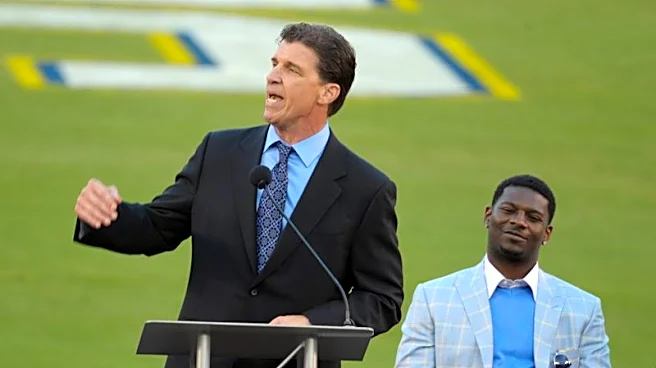
Billy Ray Smith Jr., a former San Diego Chargers linebacker and College Football Hall of Famer, has died at the age of 64. His family announced that Smith passed away after a long battle with dementia caused by chronic traumatic encephalopathy (CTE).
Smith was a standout player at the University of Arkansas and was drafted by the Chargers in 1983, where he played his entire 10-season NFL career. Known for his community involvement and post-football career in broadcasting, Smith was celebrated for his contributions both on and off the field.
Why It's Important?
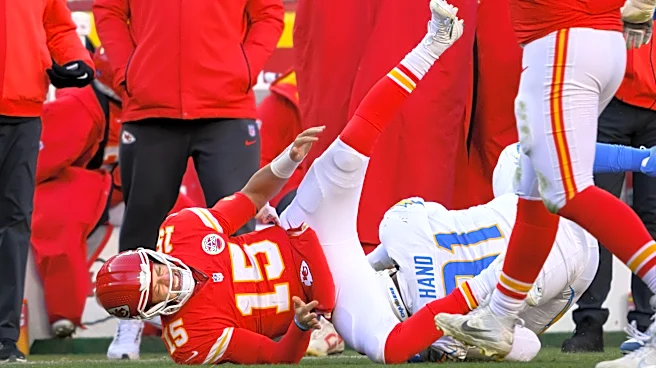
Smith's death highlights the ongoing concerns about CTE and its impact on former athletes, particularly those in contact sports like football. CTE is a degenerative brain disease linked to repeated head injuries, and its prevalence among former NFL players has raised questions about player safety and the long-term health effects of the sport. Smith's passing may renew discussions about the need for improved safety protocols and support for retired athletes dealing with health issues related to their sports careers.
What's Next?
The NFL and other sports organizations may face increased pressure to address the risks associated with CTE and implement more stringent safety measures. There could be calls for further research into the disease and its prevention, as well as support systems for affected athletes and their families. Smith's legacy may also inspire initiatives aimed at raising awareness and funding for CTE research and athlete health programs.
Beyond the Headlines
Smith's story underscores the broader cultural and ethical considerations surrounding contact sports and athlete welfare. The balance between the entertainment value of sports and the health risks to players is a topic of ongoing debate. Smith's contributions to his community and his post-football career highlight the potential for athletes to have a positive impact beyond their sports achievements.