







What's Happening?
Kyushu, Japan's third-largest and southernmost main island, is actively positioning itself as a premier destination for North American travelers seeking soft adventure and authentic cultural experiences. The Kyushu Tourism Organization highlights five
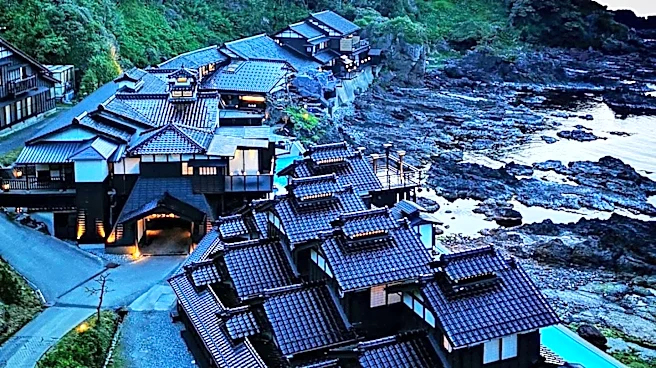
key tourism pillars, including sustainable travel, nature and wellness, soft adventure, slow travel, and multi-destination journeys. Soft adventure activities in Kyushu encompass hiking, cycling, scenic drives, exploring coastal landscapes, engaging with rural communities, and participating in meaningful cultural encounters. The region offers diverse attractions such as volcanic landscapes, natural hot springs like Beppu Onsen, ancient forests on Yakushima Island (a UNESCO World Heritage Site), and historical sites in Nagasaki. Travel companies like Goway are observing a significant increase in demand for Japan, with Kyushu being promoted as an alternative to the more crowded 'Golden Route' (Tokyo, Hakone, Mount Fuji, and Kyoto), appealing to those looking for a more peaceful and immersive experience.
Why It's Important?
The promotion of Kyushu as a soft adventure destination is important for several reasons. For the U.S. travel industry, it signifies a growing trend among North American travelers towards more experiential and less conventional international trips, moving beyond traditional tourist hubs. This shift can lead to increased demand for specialized tour operators and travel agencies capable of curating unique itineraries that include activities like guided walking tours, cultural workshops, and nature explorations. For travelers, it offers opportunities for deeper cultural immersion and engagement with local communities, fostering a more responsible and sustainable form of tourism. Economically, by dispersing tourist traffic away from major cities, Kyushu's initiative can help support regional economies and local businesses that might otherwise be overlooked. This approach also caters to a demographic interested in wellness and nature-based activities, potentially expanding the market for travel services focused on these niches.
What's Next?
Travel companies like Goway are developing and refining their offerings for Kyushu, including self-guided and guided arrangements, and specialized itineraries such as the 'Highlights of Southern Japan: Undiscovered Kyushu' and the 'Japan Road Trip: Kyushu Edition.' These programs aim to provide travelers with comprehensive experiences, including premium accommodations, private-guided tours, and transportation between destinations. Agent training and tools, such as webinars and podcasts, are being offered to educate travel advisors on Kyushu's unique appeal, with plans for advisor FAM (familiarization) trips later in the year. This ongoing effort to educate and equip travel professionals suggests a continued push to make Kyushu a more accessible and desirable destination for North American tourists, potentially leading to a steady increase in visitor numbers and further development of tourism infrastructure in the region.
Beyond the Headlines
Beyond the immediate travel implications, Kyushu's focus on soft adventure and authentic experiences reflects a broader evolution in global tourism, emphasizing sustainability, cultural respect, and personal enrichment over mass tourism. This trend encourages travelers to engage more deeply with the places they visit, fostering a greater understanding and appreciation of local cultures and environments. The promotion of 'forest bathing' (shinrin-yoku) as a certified activity highlights a growing interest in wellness tourism and the therapeutic benefits of nature. Furthermore, by encouraging travel to less-visited regions, this initiative contributes to a more equitable distribution of tourism benefits, helping to preserve the authenticity of destinations while supporting local economies. This approach could serve as a model for other regions globally seeking to attract discerning travelers and manage the impacts of tourism more effectively.