







What's Happening?
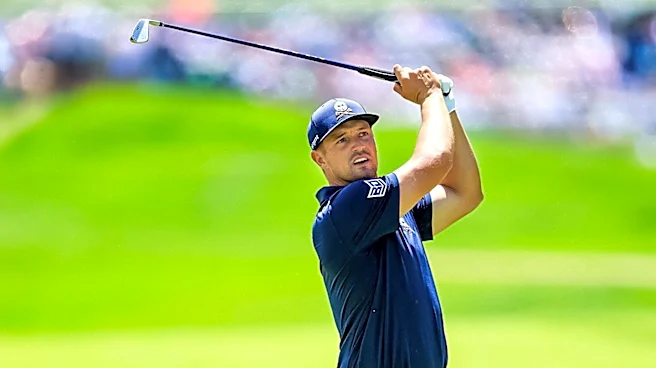
LIV Golf star Bryson DeChambeau has successfully built a significant digital audience through his YouTube channel, which combines golf science, competitive challenges, and celebrity collaborations. DeChambeau, a two-time U.S. Open champion, uses the platform
to offer a different perspective on professional golf, moving beyond traditional tournament broadcasts. His content includes golf experiments, detailed analyses of equipment and swing mechanics, and a 'Break 50' series where he and a partner aim to score under 50 on 18 holes in a scramble format. This approach allows him to showcase his personality, discuss setbacks, and engage with both serious golf fans and casual viewers. The channel had approximately 2.7 million subscribers by May 2026, demonstrating his substantial online following and his ability to translate his technical interest in golf into accessible entertainment.
Why It's Important?
DeChambeau's YouTube success signifies a broader shift in sports media, where athletes are increasingly using digital platforms to connect directly with fans. This direct engagement allows athletes to build personal brands, create their own content formats, and establish a recognizable identity independent of traditional media outlets. For DeChambeau, this strategy not only expands his reach but also provides a platform for sponsorships, partnerships, and other business opportunities. His analytical approach, dubbed 'The Scientist,' combined with entertaining challenges, makes golf more accessible to a wider audience, potentially drawing new fans to the sport. This model offers a blueprint for other athletes looking to diversify their careers and engage with their fan base in innovative ways, highlighting the growing importance of digital presence in professional sports.
What's Next?
DeChambeau plans to continue expanding his digital content, including exploring multi-language versions of his videos to reach international audiences. He views his YouTube operation as a viable path alongside his competitive golf career, using content creation as a means to practice and stay sharp for tournaments. This integration of content creation with competitive preparation suggests a future where athletes seamlessly blend their professional sport with their digital endeavors. The ongoing success of his channel could further influence how professional athletes manage their public personas and career trajectories, potentially leading to more athletes adopting similar direct-to-fan digital strategies. The financial implications, while not fully disclosed, are likely to grow through advertising revenue, sponsorships, and merchandise, solidifying his position as both a top golfer and a digital entertainer.
Beyond the Headlines
DeChambeau's strategy highlights the evolving relationship between athletes, media, and fan engagement. By controlling his narrative and content, he bypasses traditional gatekeepers, offering an unfiltered look into his professional and personal journey. This direct connection fosters a deeper sense of community and loyalty among his followers, who appreciate the authenticity and accessibility of his content. The 'Celebrity-as-a-Service' model, where athletes become their own media companies, raises questions about the future of sports broadcasting and the potential for athletes to command greater control over their image and earnings. It also underscores the power of niche content to attract and retain highly engaged audiences, demonstrating that a blend of expertise and entertainment can create significant value in the digital age.