



What's Happening?
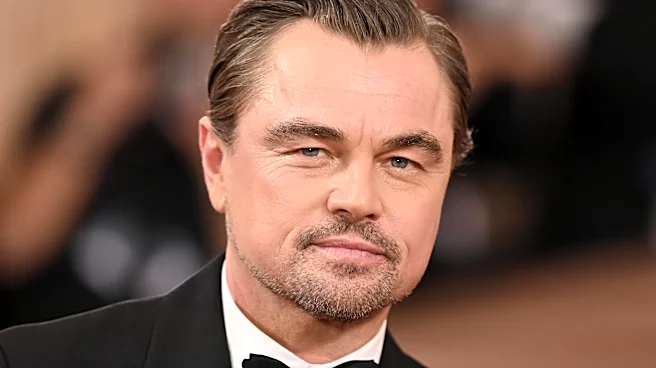
Megyn Kelly is facing accusations of double standards following her recent comments on Leonardo DiCaprio's 52nd birthday party and her defense of Russell Brand. On November 18, 2026, during an episode of 'The Megyn Kelly Show,' Kelly criticized DiCaprio's dating
history, appearance, and the presence of younger women at his party, describing the group as a 'harem' and calling his preference for younger partners 'gross.' These remarks followed her November 9 defense of Russell Brand, who was sentenced to 10 years and six months in prison for rape and sexual assault. Kelly had called Brand's punishment an 'outrage' and the prosecution a 'political witch hunt,' also accusing the judge of bias, a claim not supported by court records. Brand was convicted of one rape and three sexual assaults involving four women, with the judge commending the women who gave evidence. Social media users have highlighted the contrast between Kelly's condemnation of DiCaprio's consensual adult relationships and her sympathetic stance toward Brand after his criminal convictions.
Why It's Important?
This situation highlights a broader public discourse regarding media personalities' influence and the perceived consistency of their moral and ethical stances. Megyn Kelly's comments have drawn attention to the differing ways public figures are scrutinized for their personal lives versus their legal entanglements. The online criticism underscores the public's expectation for consistency in judgment, particularly when discussing issues of gender, power dynamics, and legal justice. For media consumers, it raises questions about the objectivity and potential biases of commentators. The controversy also reflects the ongoing debate about accountability for public figures, whether for personal choices or criminal actions, and how these are framed in public discourse. The differing reactions to DiCaprio and Brand, as presented by Kelly, have fueled discussions about 'cancel culture' and the perceived double standards applied to individuals based on their celebrity status or the nature of their alleged transgressions.
What's Next?
The immediate aftermath will likely involve continued social media discussion and potential further commentary from Megyn Kelly or other media personalities. The online criticism may prompt Kelly to address the accusations of double standards, either by clarifying her positions or by engaging with her critics. There is no indication that Leonardo DiCaprio will publicly respond to Kelly's remarks. For Russell Brand, the focus remains on his criminal convictions and any ongoing legal processes, including two additional rape investigations. The broader implications could include increased scrutiny of media commentators' past statements and a heightened awareness among audiences regarding the potential for inconsistent application of moral judgments in public commentary. This event may also contribute to ongoing conversations about the role of media in shaping public opinion on complex social and legal issues.
Beyond the Headlines
This incident delves into the complex interplay of celebrity culture, media commentary, and public perception of justice. The 'harem' comment regarding DiCaprio, while not suggesting illegal activity, touches upon societal views of age differences in relationships and gender dynamics in Hollywood. Conversely, Kelly's defense of Brand, despite his convictions, raises ethical questions about supporting individuals accused or convicted of serious crimes, particularly when such defenses are framed as challenging the justice system. The public's reaction reflects a growing demand for accountability and consistency from media figures, especially when their platforms are used to comment on sensitive social issues. This event could contribute to a broader cultural shift where audiences are increasingly critical of perceived hypocrisy and demand a more nuanced and equitable approach to discussing the actions of public figures, regardless of their status or perceived political alignment.