
What's Happening?
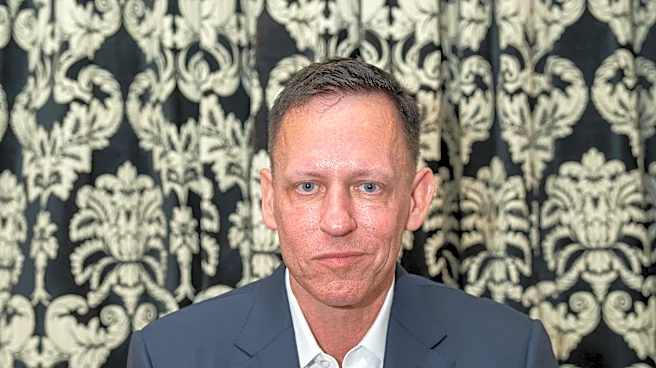
Peter Thiel, a prominent figure in Silicon Valley, advocates for a core thesis that "competition is for losers" and that founders should instead focus on building monopolies. This philosophy is detailed
in his book, "Zero to One," where he argues that capitalism and competition are fundamentally opposed. According to Thiel, perfect competition erodes profits through continuous price wars, whereas a 'creative monopoly' allows a company to own its market, capture significant value, and secure the resources necessary for long-term innovation. He distinguishes between creating value and capturing value, citing the airline industry as an example where substantial value is created but profits are minimal due to intense competition. Thiel's career exemplifies this approach, from co-founding PayPal and dominating its niche payments market to being the first outside investor in Facebook and providing a crucial lifeline to SpaceX. He also co-founded Palantir Technologies in 2004, applying his monopoly playbook by targeting a hyper-specific niche in data integration for U.S. intelligence and defense agencies.
Why It's Important?
Thiel's "Zero to One" philosophy has significantly influenced modern Silicon Valley wealth creation and technological progress. His argument that true innovation involves creating entirely new categories (going from '0 to 1') rather than merely improving existing ones (going from '1 to n') challenges conventional business wisdom that often champions competition. This perspective encourages entrepreneurs to seek out and dominate niche markets, thereby establishing 'unbreakable moats' around their businesses. The success of companies like Palantir, which embedded proprietary software into critical workflows of government agencies and Fortune 500 enterprises, demonstrates the effectiveness of this strategy. By minimizing competition, these companies can achieve higher profit margins and reinvest in further innovation, potentially leading to more rapid technological advancements. However, this approach also raises questions about market concentration and the potential for reduced consumer choice or higher prices in the absence of competitive pressures.
What's Next?
The continued application of Thiel's monopoly-building philosophy will likely shape future entrepreneurial endeavors and investment strategies in the technology sector. Startups and venture capitalists may increasingly prioritize identifying and dominating niche markets with high barriers to entry, rather than entering crowded competitive landscapes. This could lead to the emergence of more 'creative monopolies' across various industries. Regulators and policymakers, however, may face increasing pressure to scrutinize these dominant companies, particularly as their market power grows. The balance between fostering innovation through monopolistic advantages and ensuring fair competition and consumer protection will remain a critical debate. The long-term impact on economic structures and market dynamics will depend on how this philosophy continues to be adopted and how regulatory frameworks adapt to address the implications of concentrated market power.
Beyond the Headlines
Beyond its economic implications, Thiel's philosophy touches on deeper societal and ethical considerations. The concept of a 'creative monopoly' suggests that certain companies, by virtue of their unique offerings, can become indispensable, effectively controlling critical infrastructure or services. This raises questions about the responsibility of such entities and the potential for unchecked power. The emphasis on proprietary technology and high switching costs can create significant barriers for new entrants, potentially stifling broader innovation and economic mobility. Furthermore, the idea that 'monopolies always win' challenges the traditional American ideal of a free market driven by robust competition. This perspective could lead to a re-evaluation of antitrust laws and regulatory approaches, as society grapples with the benefits of rapid technological advancement versus the potential drawbacks of highly concentrated economic power. The ethical dimension of building 'unbreakable moats' and the impact on societal equity will likely become increasingly prominent discussions.