





What's Happening?
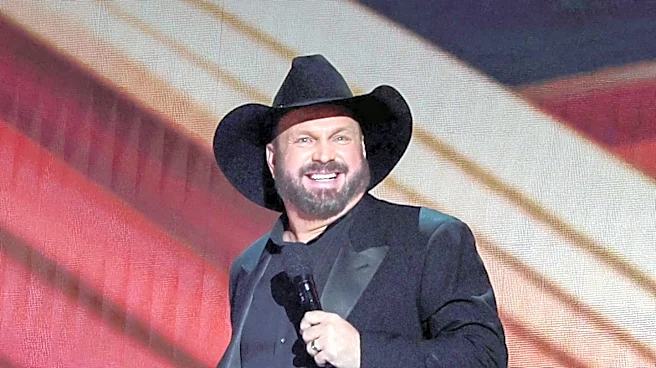
Garth Brooks, the renowned country music artist, has announced an additional performance date for his 2026 Blame It All on My Roots Tour in Denver, Colorado. This new date, set for September 26, 2026, is part of a series of shows in Denver, which now includes
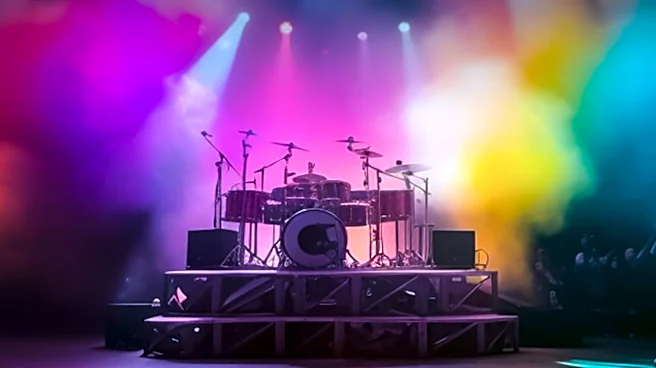
performances on September 4, 5, and 6, with the latter featuring both a matinee and an evening show. The decision to add more dates in Denver comes in response to high ticket demand. Tickets for the September 6 show are already available for purchase through Ticketmaster. The 2026 tour is a nostalgic nod to Brooks' successful arena tours from the 1990s, featuring the return of the Drum Pod, a unique stage element from his past performances. The tour kicked off with initial dates in Indianapolis, Indiana, and has expanded due to popular demand.
Why It's Important?
The expansion of Garth Brooks' tour dates highlights the enduring popularity and demand for live performances by established artists in the country music genre. This move not only satisfies fans eager to experience Brooks' iconic stage presence but also underscores the economic impact of large-scale tours on local economies, particularly in cities like Denver. The tour's success could influence other artists to revisit and revitalize past tour concepts, potentially leading to a resurgence of interest in live country music events. Additionally, the recording of the tour for a live album, titled Killer Live, suggests a continued market for live music recordings, which can further boost sales and streaming numbers for artists.
What's Next?
As Garth Brooks continues his 2026 tour, fans can anticipate more announcements regarding additional dates or special performances, especially in cities with high demand. The live album recording, Killer Live, is expected to capture the essence of the tour, potentially leading to further promotional activities and media appearances by Brooks. The success of this tour may also inspire other artists to consider similar nostalgic tours, leveraging their past successes to engage with both long-time fans and new audiences. The economic benefits for cities hosting these concerts could encourage local governments and venues to support and attract more large-scale music events.