







What's Happening?
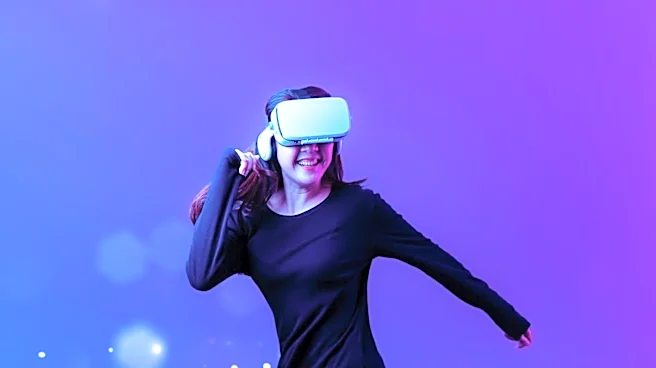
The RayNeo Air 4 Pro smart glasses are now available at a discounted price of $239 during Amazon Prime Day, marking the lowest price yet for this augmented reality and extended reality (AR/XR) device. Typically priced at $299, the glasses offer a virtual
display experience akin to watching a big-screen TV. The discount is exclusive to Amazon Prime members and is part of a broader Prime Day sale that includes various tech products. The RayNeo Air 4 Pro features HDR10, Vision 4000, and AI upscaling, enhancing color richness and detail. Despite its impressive display quality, the glasses have been noted for lacking in audio performance and display configuration options compared to competitors like Xreal's One series. The glasses are designed for comfort with adjustable nose pads and flexible temples, though they require optional prescription inserts for those who wear regular glasses.
Why It's Important?
The discount on RayNeo Air 4 Pro smart glasses highlights the growing accessibility and consumer interest in AR/XR technology. By offering these glasses at a reduced price, Amazon is making advanced technology more affordable, potentially increasing adoption rates among consumers. This move could influence the competitive landscape of smart glasses, encouraging other manufacturers to offer similar discounts or enhance their product features to maintain market share. The focus on display quality and comfort suggests a shift towards more immersive and user-friendly AR experiences, which could drive further innovation in the sector. As AR/XR technology becomes more mainstream, it could transform various industries, including entertainment, gaming, and retail, by providing new ways to interact with digital content.
What's Next?
As the Prime Day sale continues, consumers are likely to see more competitive pricing and product offerings in the AR/XR market. Companies like Xreal and Viture may respond with their own discounts or product enhancements to attract customers. The increased accessibility of smart glasses could lead to broader consumer adoption, prompting further investment in AR/XR technology development. Additionally, as more users experience AR/XR devices, feedback on features such as audio quality and display configurations could drive future product improvements. The trend towards integrating AR/XR technology into everyday life is expected to continue, with potential applications expanding beyond entertainment to include education, healthcare, and professional settings.