






What's Happening?
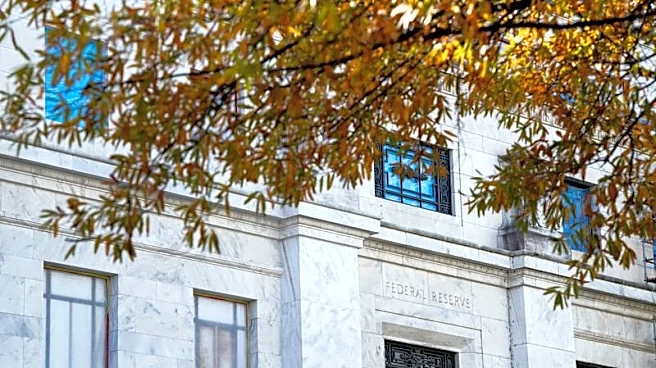
The Federal Reserve's primary inflation gauge, the Personal Consumption Expenditures (PCE) price index, showed a core inflation rate of 3.4% in May, the highest since October 2023. The all-items PCE index rose to 4.1% annually, driven by energy price increases
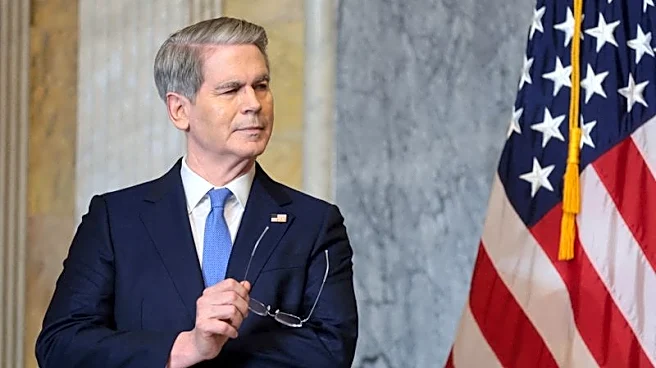
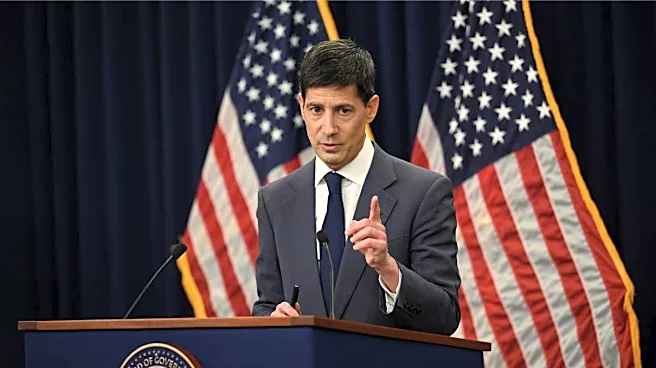
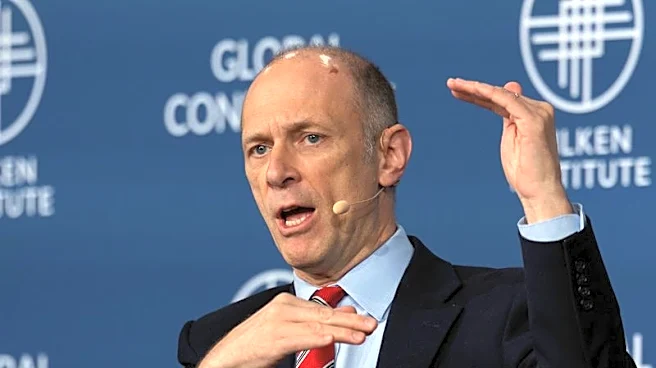
linked to the Iran war. Despite elevated inflation levels, consumer spending rose 0.7% for the month, exceeding forecasts. The Federal Reserve, under new Chairman Kevin Warsh, has emphasized its commitment to controlling inflation, with potential rate hikes anticipated.
Why It's Important?
The rise in core inflation underscores the Federal Reserve's challenge in managing price stability amid external pressures like the Iran war. The increase in consumer spending, despite higher inflation, suggests resilience in the economy but also highlights the potential for further inflationary pressures. The Federal Reserve's response, including possible interest rate hikes, will be crucial in shaping economic conditions, affecting borrowing costs and consumer behavior.
What's Next?
The Federal Reserve will likely continue its focus on inflation control, with potential interest rate hikes on the horizon. The resolution of the Iran war and the movement of oil tankers may alleviate some inflationary pressures, but the central bank's actions will depend on future inflation data. The economic impact of these developments will be closely watched by investors and policymakers.