






What's Happening?
Tarona Taafaki, a 20-year-old boxer from Tuvalu, has made history by securing her country's first-ever Commonwealth Games medal. Competing in the women's 75kg category, Taafaki advanced to the semi-finals after receiving a bye, where she was defeated
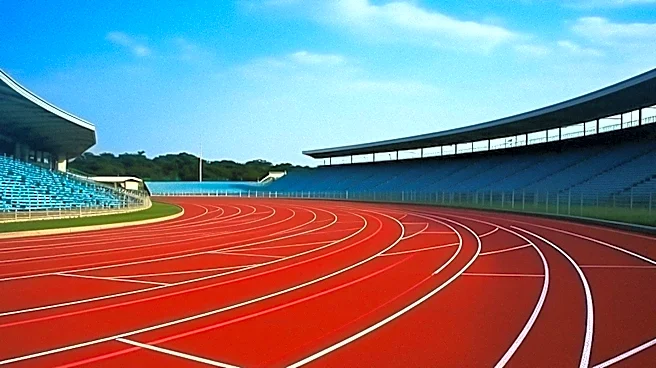
by India's Lovlina Borgohain. Despite the loss, Taafaki was awarded a bronze medal, as all semi-finalists in boxing at the Commonwealth Games receive bronze. This achievement is significant for Tuvalu, a small Pacific island nation with a population of about 10,000. Taafaki's participation and success highlight the challenges faced by athletes from small nations, including limited training facilities. In Tuvalu, athletes often train on the airport runway due to the lack of stable land. Taafaki and her brother, who also competed, are based in New Zealand, where they have access to better facilities.
Why It's Important?
Taafaki's medal is a landmark achievement for Tuvalu, bringing international attention to the nation and its challenges, particularly those related to climate change. The rising sea levels threaten to submerge significant parts of Tuvalu, including its capital, Funafuti, by 2050. This medal not only represents a sporting achievement but also serves as a platform to raise awareness about the existential threats faced by Tuvalu due to climate change. The success of athletes like Taafaki can inspire more recognition and support for small nations facing similar challenges. Additionally, it underscores the importance of providing adequate training facilities and opportunities for athletes from underrepresented regions.
What's Next?
The recognition from Taafaki's achievement may lead to increased support and resources for Tuvaluan athletes. It could also prompt international discussions on climate change, as Tuvalu's plight becomes more visible on the global stage. For Taafaki and her coach, who is also her father, this medal is a stepping stone towards further achievements in boxing. The focus may now shift to preparing for future competitions, potentially with improved facilities and support. The broader impact could include heightened advocacy for climate action, as Tuvalu continues to face severe environmental challenges.
Beyond the Headlines
Taafaki's story highlights the intersection of sports and climate change, illustrating how global issues can impact local communities. The use of the airport runway for training symbolizes the resilience and adaptability of Tuvaluans in the face of adversity. This narrative may encourage other small nations to leverage sports as a means of drawing attention to their unique challenges. Furthermore, it raises questions about the role of international sporting events in providing platforms for underrepresented voices and the responsibility of the global community to address the underlying issues these stories bring to light.