











What's Happening?
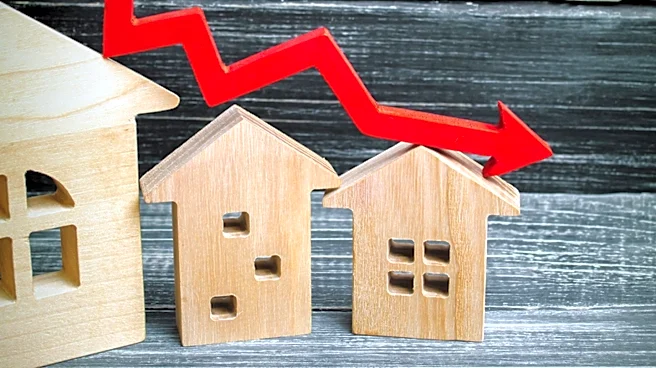
The S&P Cotality Case-Shiller National Home Price Index reported a modest 0.8% year-over-year increase in April, indicating a continued slowdown in the growth of U.S. home prices. This marks the 11th consecutive month of real-term declines due to rising
inflation and elevated mortgage rates. The index, which is considered a reliable measure of home price trends, shows that while nominal prices have seen slight increases, they have effectively decreased when adjusted for inflation. The Midwest and Northeast regions are experiencing moderate growth, with Chicago leading at a 6.5% annual gain. In contrast, cities in the Sun Belt and Western regions, such as Seattle and Denver, are witnessing declines. The affordability of homes remains a significant challenge, exacerbated by mortgage rates climbing back to 6.3% in April, which has kept financing costs high.
Why It's Important?
The slowing growth in home prices has significant implications for the U.S. housing market and broader economy. As inflation continues to rise, the real value of homes is decreasing, impacting homeowners' wealth and potentially slowing consumer spending. The disparity in regional housing trends highlights the uneven economic recovery across the country, with some areas experiencing growth while others face declines. High mortgage rates further strain affordability, potentially deterring new buyers and slowing market activity. This situation could lead to a prolonged period of stagnation in the housing market, affecting related industries such as construction and real estate services.
What's Next?
If current trends continue, the U.S. housing market may face further challenges in maintaining growth. Stakeholders, including policymakers and financial institutions, may need to address the affordability crisis to stimulate market activity. Potential measures could include adjusting interest rates or implementing policies to support first-time homebuyers. Additionally, regional disparities may prompt targeted economic interventions to support struggling areas. The ongoing economic conditions will likely influence future housing market dynamics, with potential impacts on homeownership rates and housing supply.
Beyond the Headlines
The current housing market trends may lead to broader societal shifts, such as an increase in multigenerational living arrangements as affordability pressures mount. This could alter traditional housing demand patterns and influence urban planning and development strategies. Furthermore, the prolonged period of real-term price declines may affect long-term investment strategies in the real estate sector, prompting investors to reassess their portfolios and focus on regions with more stable growth prospects.