
What's Happening?
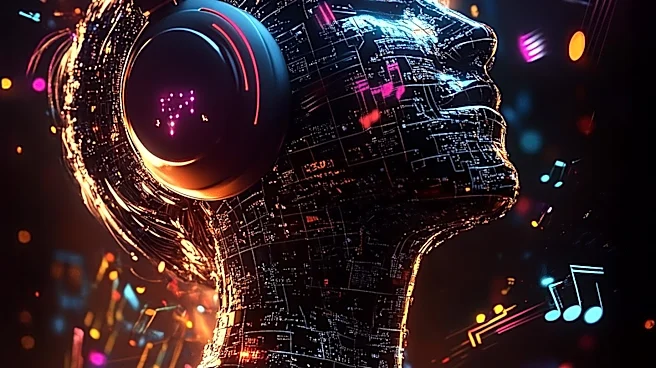
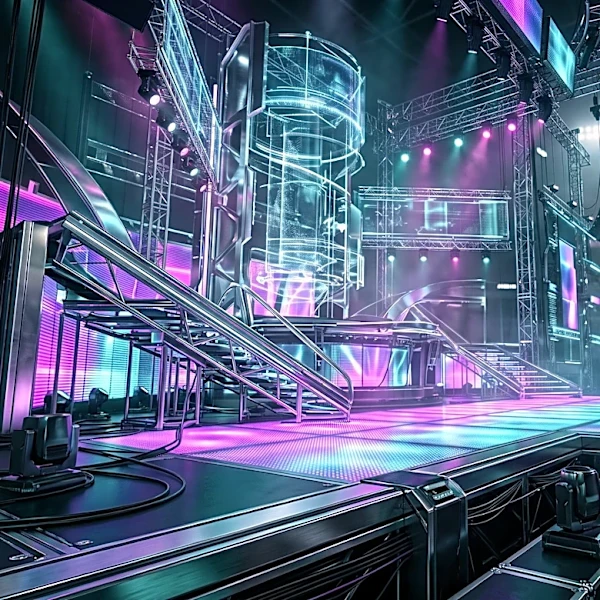
The first AI Music Awards ceremony was held in Los Angeles, celebrating creators who use artificial intelligence to produce music. The event highlighted the growing presence of AI in the music industry, acknowledging artists and songs that have achieved
commercial success, including millions of streams and chart placements. Xania Monet, an AI-generated avatar, received top honors for AI artist, song, and album of the year, with her R&B song 'How Was I Supposed to Know?' being the first by an AI-based act to chart on Billboard. The awards aimed to showcase the human artistry involved in AI music creation, emphasizing that creators spend hours prompting AI to achieve desired sounds. The winners were selected by members of the Sonic Intelligence Academy, a company focused on AI music charts and identification tools.
Why It's Important?
The emergence of dedicated awards for AI music signifies a significant shift in the music industry, acknowledging AI as a legitimate tool for artistic expression. This development has profound implications for traditional music creation, distribution, and intellectual property. While proponents view AI as an innovative tool that democratizes music production for those lacking traditional skills, critics and established artists express concerns about job displacement and the devaluation of human creativity. The legal battles initiated by record labels and artist estates, such as the Elvis Presley estate, against AI companies like Anthropic and OpenAI over copyright infringement highlight the urgent need for legal frameworks to address the use of copyrighted material in AI training. The outcome of these lawsuits could set precedents for intellectual property rights in the age of AI, impacting how future music is created, owned, and monetized.
What's Next?
The debate surrounding AI-generated music is expected to intensify, with ongoing legal challenges likely to shape the future landscape of the industry. As AI technology advances, more sophisticated music generation tools will emerge, potentially leading to wider adoption by both amateur and professional musicians. This could necessitate new business models for artists, labels, and streaming platforms to adapt to the evolving creative process and consumption patterns. Further discussions and potential legislative actions regarding copyright law and fair use in the context of AI are anticipated. The continued success and recognition of AI artists may also prompt traditional music institutions to integrate AI more formally into their operations, from talent scouting to production, while simultaneously addressing ethical considerations and ensuring fair compensation for human creators.
Beyond the Headlines
The rise of AI music extends beyond mere technological advancement; it challenges fundamental notions of authorship, creativity, and authenticity in art. The question of whether AI-generated works can possess true artistic merit, or if they are merely sophisticated imitations, will continue to be a philosophical and cultural debate. This shift could lead to a redefinition of what it means to be a 'musician' or 'artist,' potentially blurring the lines between human and machine contributions. Furthermore, the accessibility of AI music tools could foster a new wave of creators, democratizing music production but also potentially saturating the market with AI-generated content. The ethical implications of AI avatars and synthetic voices, particularly concerning their use in commercial contexts and potential for deepfakes, also present complex challenges that society and the legal system will need to address.