


What's Happening?
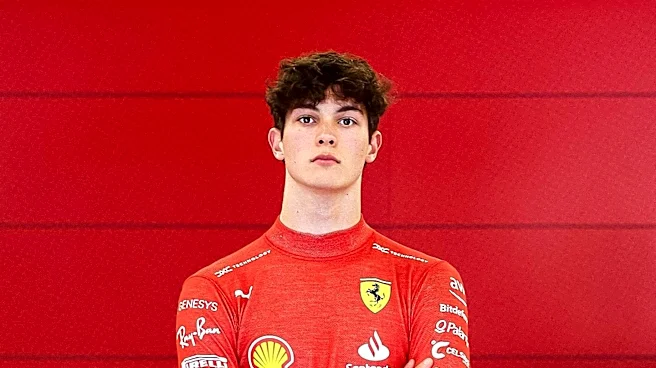
Oliver Bearman is experiencing frustration due to the prolonged delay in confirming his contract with Haas for the upcoming Formula 1 season. Despite his strong performance over the past two seasons, which reportedly contributed to Esteban Ocon's F1 career
ending, Bearman remains unconfirmed for a seat. The other Haas seat has already been secured by Rafael Câmara. Bearman expressed his disappointment, noting that even team members are questioning the delay, which he finds mentally challenging. He stated that there are no excuses for the lack of confirmation at this late stage of the season.
Why It's Important?
The delay in Oliver Bearman's contract confirmation is not a Haas issue but rather a problem originating from his ties with Ferrari. Haas is reportedly keen to retain Bearman, recognizing his proven performance and experience, especially with a rookie driver in the other seat. However, Bearman is a Ferrari-contracted driver, effectively on loan to Haas. His long-term career aspirations involve transitioning to a front-running team, and he does not wish to remain at Haas indefinitely. The core issue appears to be the absence of a 'get-out clause' in his Ferrari contract, which would allow him to pursue opportunities with other major teams like McLaren or Red Bull if a Ferrari seat is not available. This situation highlights the complex contractual relationships between junior drivers and major F1 teams.
What's Next?
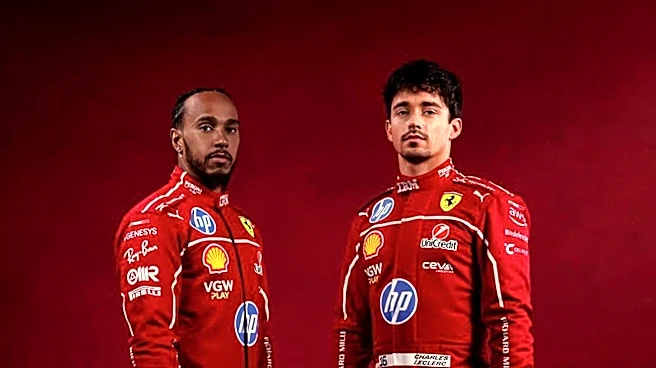
The resolution of Oliver Bearman's contract situation hinges on negotiations between Bearman, Ferrari, and potentially Haas. Ferrari faces a dilemma: either risk losing a promising talent by not inserting a get-out clause, or potentially free him up for a rival team if a Ferrari seat doesn't materialize. With Charles Leclerc's recent multi-year extension and Lewis Hamilton's potential option to continue until 2028, a direct path to a Ferrari race seat for Bearman appears blocked in the short to medium term. The outcome will likely depend on whether Ferrari is willing to adjust his contract to allow him more flexibility, or if Bearman will have to accept a less ideal arrangement to secure his F1 future. The situation could also set a precedent for how Ferrari manages its other junior drivers.
Beyond the Headlines
This scenario sheds light on the intricate and often restrictive nature of driver contracts in Formula 1, particularly for young talents tied to major academies. Unlike Max Verstappen, who had a robust contractual arrangement that ensured his progression, Bearman's situation underscores the importance of strategic contract negotiation. The lack of a clear exit path can hinder a driver's career progression, forcing them into difficult choices between loyalty to a development team and pursuing better opportunities. This situation also highlights the power dynamics between established teams and their junior drivers, where the team's long-term strategic interests often take precedence over individual driver aspirations. It raises questions about the fairness and transparency of such contractual agreements in nurturing future F1 stars.