
What's Happening?
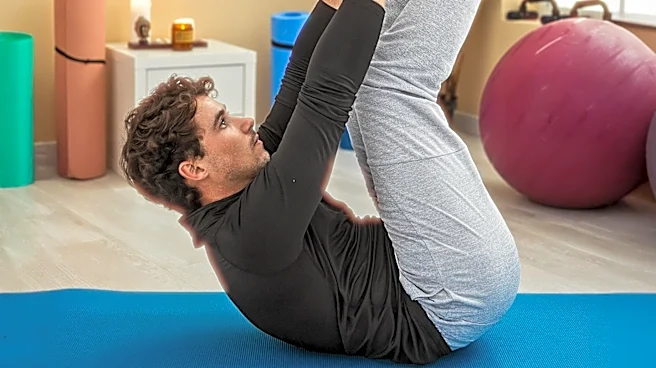
Pilates is a low-impact exercise system designed to build strength, elongate muscles, improve flexibility, and enhance balance through mindful, controlled movements. Developed by Joseph Pilates in the 1920s to rehabilitate injured soldiers, the method
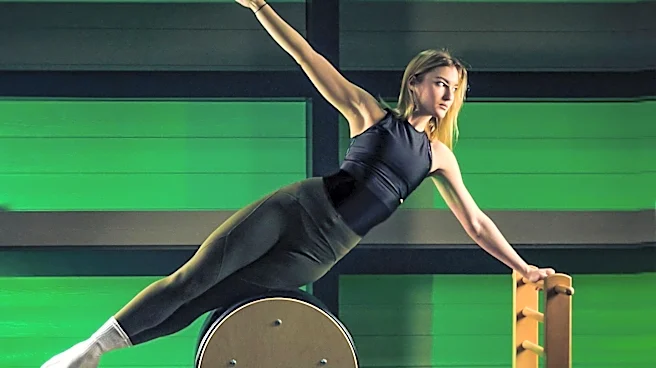
emphasizes coordinated breathwork, proper body mechanics, and engaging deep abdominal muscles for body stabilization. According to Julia Chubaryan, a certified Pilates instructor and owner of Studio Fala Moves in Chicago, breath is central to the core, and Pilates teaches individuals to use breath and alignment to create strength from within. The focus is on concentration, control, and precision, moving with purpose and flow. Workouts are gentle on joints, making them suitable for those recovering from injuries or seeking to avoid strain. Exercises can be performed on spring-loaded machines or a floor mat, targeting deep muscle groups to improve mobility and tone, particularly in the arms, legs, and core. Chubaryan summarizes the benefits as feeling 'Strong. Connected. Balanced.'
Why It's Important?
Pilates offers significant benefits for individuals seeking to improve their physical well-being with a low-impact approach. Its emphasis on core strength, flexibility, and balance can lead to improved posture, reduced pain, and a greater range of motion, which is crucial for maintaining functional fitness across all age groups. The gentle nature of Pilates makes it particularly important for those with joint issues or individuals in rehabilitation, providing an effective way to build strength without exacerbating existing conditions. Beyond physical improvements, the connection between movement and breath in Pilates can contribute to mental well-being, helping practitioners feel calmer and more grounded. This holistic approach to fitness, combining physical conditioning with mindfulness, addresses both the body and mind, promoting overall health and potentially reducing stress in daily life.
What's Next?
As awareness of holistic health and low-impact exercise grows, Pilates is likely to continue expanding its reach and accessibility. The increasing demand for fitness routines that cater to diverse needs, including injury recovery and joint-friendly options, suggests a continued rise in Pilates studios and online programs. We can anticipate further integration of Pilates principles into broader wellness programs, potentially influencing physical therapy practices and corporate wellness initiatives. The development of new equipment and variations of Pilates classes, such as those incorporating advanced resistance or focusing on specific body parts, may also emerge to meet evolving consumer preferences. Additionally, the emphasis on mindfulness and breathwork within Pilates aligns with growing trends in mental health and stress reduction, indicating its potential to become an even more integral part of personal well-being routines.
Beyond the Headlines
The enduring popularity of Pilates highlights a deeper societal shift towards mindful movement and sustainable fitness practices. In an era often characterized by high-intensity, high-impact workouts, Pilates offers an alternative that prioritizes longevity, injury prevention, and a profound connection between mind and body. This approach challenges the conventional view of exercise as solely about physical exertion, instead promoting a more integrated understanding of health where mental focus and precise control are as vital as physical strength. The ethical implication lies in promoting a form of exercise that is inclusive and adaptable, catering to a wide range of physical abilities and ages, thereby fostering a more accessible and less intimidating fitness culture. Culturally, Pilates contributes to a broader appreciation for body awareness and the subtle yet powerful benefits of controlled, deliberate movement, moving beyond superficial aesthetics to emphasize intrinsic well-being.