


What's Happening?
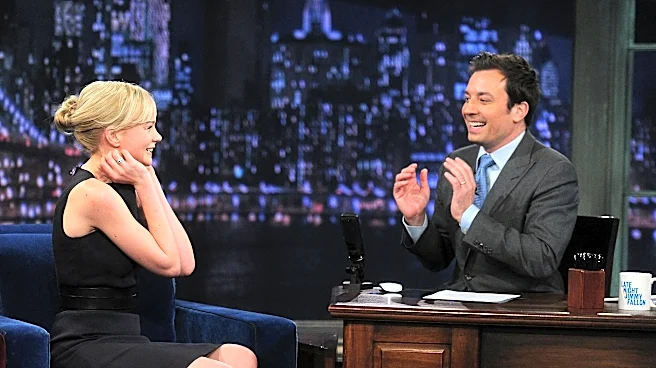
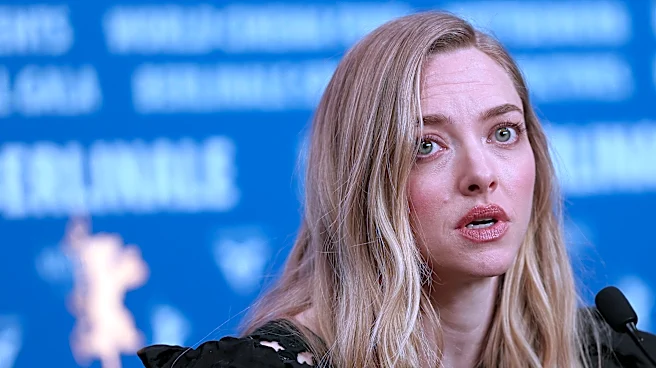
Actress Amanda Seyfried appeared on 'The Tonight Show Starring Jimmy Fallon' to discuss her experience making the Elizabeth Holmes documentary 'You Can See Everything'. Seyfried, who previously portrayed Holmes in 'The Dropout', initially had no intention
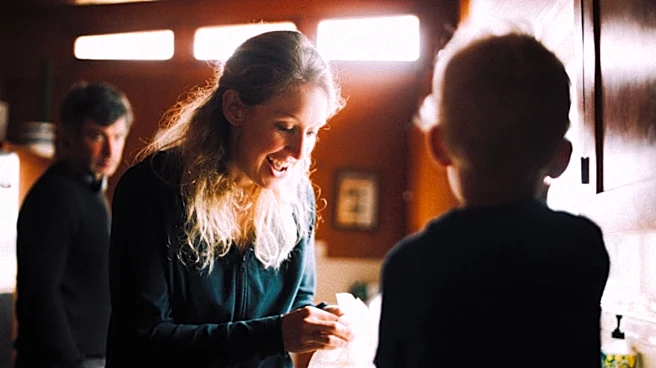
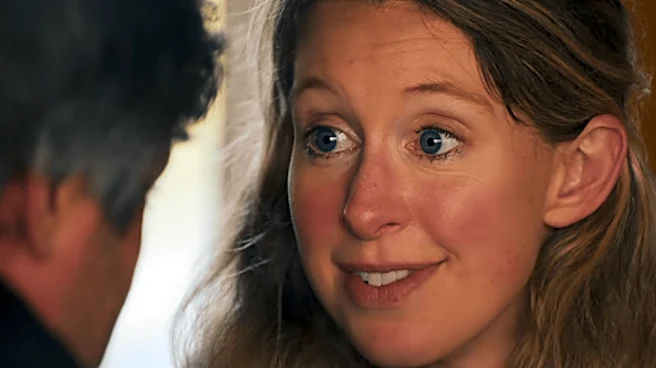
of reprising the role. However, after being contacted by co-director Nathan Fielder to discuss Holmes, she gradually became more involved. Fielder convinced her to participate in reenactments for the documentary, which Seyfried described as a 'weird' return to the character. She highlighted the difficulties of the production, including restricted access to documentary footage and scripts that required 'five-factor authentication' the night before filming. Seyfried admitted to feeling insecure about the project, distinguishing it from 'The Dropout' by noting the documentary's basis in known facts rather than fictionalized accounts. She also confessed to struggling with keeping her involvement a secret, despite her self-proclaimed indiscreet nature.
Why It's Important?
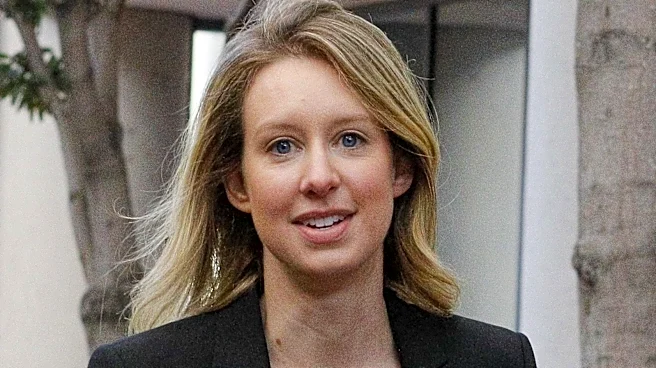
Seyfried's candid discussion offers insight into the complexities of portraying real-life figures, especially those involved in high-profile legal cases like Elizabeth Holmes. Her experience underscores the ethical and practical challenges actors face when transitioning from fictionalized portrayals to documentary reenactments. The strict security protocols surrounding the documentary's script and footage highlight the sensitive nature of the subject matter and the production's efforts to maintain control over information. This situation also sheds light on the evolving landscape of true-crime storytelling, where actors may be asked to blur the lines between dramatic interpretation and factual representation. For audiences, Seyfried's perspective adds another layer to the public's understanding of Elizabeth Holmes and the Theranos scandal, emphasizing the distinction between dramatized series and fact-based documentaries.
What's Next?
The documentary 'You Can See Everything' will likely continue to generate discussion, especially with Seyfried's involvement and her detailed account of the production process. Her revelations about the challenges and secrecy surrounding the project could pique further interest in the film itself, potentially leading to increased viewership and critical analysis. For Seyfried, her willingness to take on such a complex and risky role, even without initial team approval, suggests a continued interest in challenging projects that delve into real-world events. Future discussions around the documentary may focus on the effectiveness of using actors for reenactments in factual programming and the ethical considerations involved in such creative choices.
Beyond the Headlines
Seyfried's decision to participate in the documentary without initially informing her agent and lawyer reveals a deeper aspect of artistic autonomy and risk-taking in the entertainment industry. Her statement, 'Am I going to destroy my career in some way? Am I going to get entangled in this, like, wasp’s nest with Billy? Am I gonna say the wrong thing? Am I gonna perpetuate negativity for her?' illustrates the significant personal and professional risks actors weigh when engaging with controversial subjects. This situation highlights the tension between an artist's creative drive and the practicalities of career management and legal protection. It also raises questions about the boundaries of an actor's responsibility when portraying real individuals, particularly those who are still subjects of public scrutiny and legal proceedings.