





What's Happening?
A significant partnership involving nearly 70 organizations across Nebraska and Iowa has secured federal funding to enhance the region's bioeconomy. The initiative, known as RuralSTAMINA, is spearheaded by Iowa State University and includes a diverse
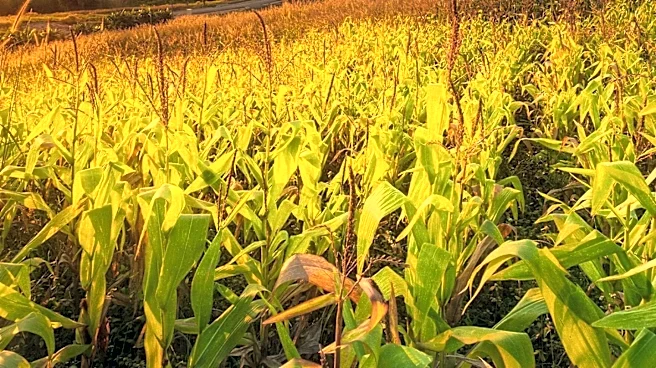
array of participants such as universities, community colleges, government agencies, and businesses. The project has received $15 million from the National Science Foundation, with the potential for additional funding over the next decade. The program aims to develop new products from agricultural resources through biomass conversion and biomanufacturing, thereby adding value to crops and other commodities produced in the region.
Why It's Important?
This initiative is crucial for the agricultural economies of Nebraska and Iowa, which are among the largest in the United States. By fostering innovation and attracting investment, RuralSTAMINA aims to strengthen the region's economic position. The project also focuses on workforce development, connecting educational institutions with industry to prepare students for careers in emerging agricultural and manufacturing fields. This effort is expected to create high-quality jobs, increase demand for agricultural products, and bolster rural economies, providing a model for sustainable economic growth in the Midwest.
What's Next?
As the project progresses, stakeholders will likely focus on expanding educational and career opportunities in the bioeconomy sector. Continued collaboration between education, industry, and government will be essential to achieving the initiative's goals. The success of RuralSTAMINA could lead to further investment and innovation, positioning Nebraska and Iowa as leaders in the global bioeconomy. Monitoring the project's impact on local economies and job markets will be important for assessing its long-term success.
Beyond the Headlines
The RuralSTAMINA initiative highlights the potential for bioeconomy innovation to drive economic growth and sustainability. By leveraging agricultural resources, the project could contribute to environmental conservation and reduce reliance on non-renewable resources. This approach aligns with broader efforts to address climate change and promote sustainable development, offering a blueprint for other regions seeking to enhance their economic resilience.