





What's Happening?
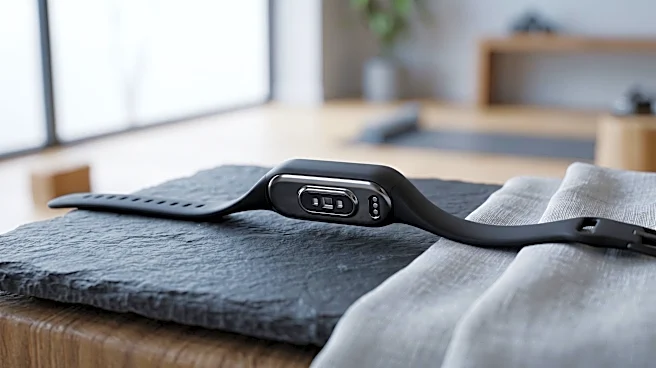
The Fitbit Charge 6 is fully functional for basic activity tracking without requiring a Fitbit Premium subscription. Users can monitor essential metrics such as steps, distance, calories burned, 24/7 heart rate, and sleep patterns. Additionally, advanced
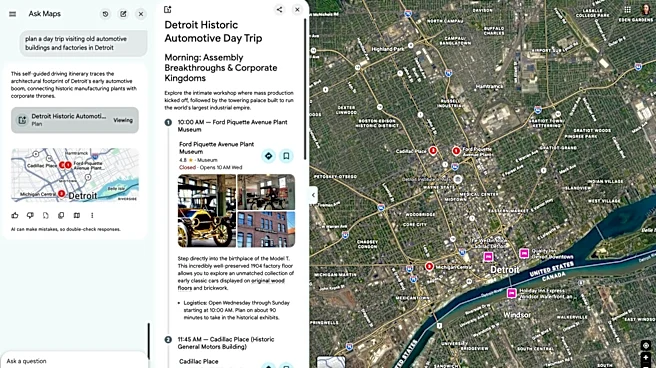
features like the ECG app, which checks for signs of atrial fibrillation, and Google Wallet for contactless payments, are accessible without a paid subscription. The device also includes integrated GPS for precise tracking of outdoor activities without needing a smartphone. While a Premium subscription offers deeper insights, such as detailed Sleep Profile reports and a Daily Readiness Score, these are supplementary to the core functionalities available to all users. The battery life of the Fitbit Charge 6 is rated for multi-day use, though actual duration can vary based on features like continuous GPS usage or the always-on display.
Why It's Important?
This accessibility of core features without a subscription is significant for consumers as it lowers the barrier to entry for comprehensive fitness tracking. Users can benefit from essential health monitoring tools and convenient smart features like mobile payments without incurring recurring costs, making the device a more cost-effective option in the wearable technology market. This approach could broaden Fitbit's user base, attracting individuals who are hesitant to commit to ongoing subscription fees. For the wellness and fitness services industry, it highlights a trend where manufacturers balance free core functionalities with premium, enhanced services, aiming to capture a wider audience while still offering upsell opportunities. The integration of Google Wallet and Google Maps also enhances the device's utility, making it a more versatile tool for daily life beyond just fitness.
What's Next?
Fitbit, now part of Google, will likely continue to refine the balance between free and premium features in its future device offerings. This strategy could influence how other wearable technology companies structure their subscription models, potentially leading to a market trend where basic functionalities are universally available, with advanced analytics or personalized coaching reserved for paid tiers. Consumers can expect ongoing software updates that may enhance existing features or introduce new ones, further solidifying the device's value proposition. The continued integration of Google services, such as Google Maps for turn-by-turn navigation, suggests a future where Fitbit devices become even more central to users' digital ecosystems, offering seamless connectivity and utility in various aspects of daily life.
Beyond the Headlines
The decision to offer robust functionality without a mandatory subscription reflects a broader industry discussion about the value proposition of connected devices and recurring revenue models. While subscriptions can provide a steady income stream, making core features free can foster greater user adoption and loyalty. This approach also touches on data privacy and ownership, as users might be more inclined to use a device if they feel they are getting substantial value without being locked into a continuous payment cycle. The integration of medical-grade features like ECG, even without a subscription, raises questions about the role of consumer wearables in personal health management and the potential for these devices to serve as early detection tools, blurring the lines between consumer electronics and medical devices.