







What's Happening?
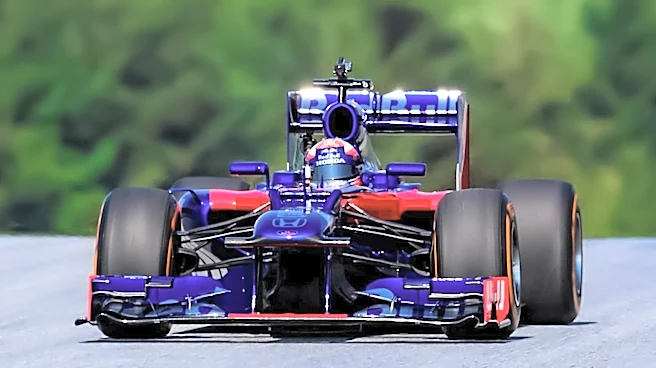
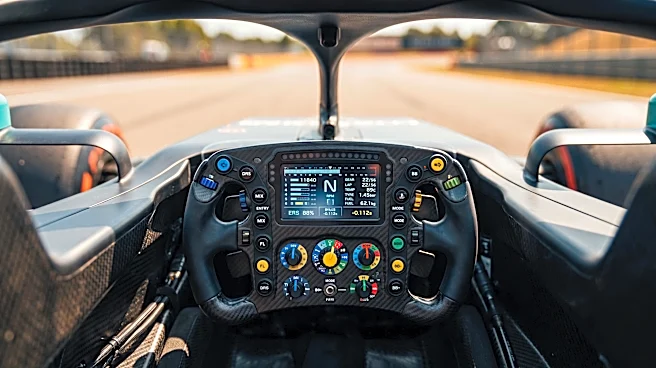
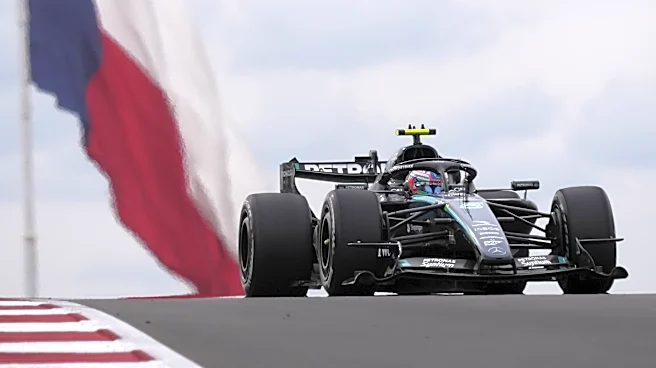
Liam Lawson, a driver for Racing Bulls, encountered a significant car malfunction during the United States Grand Prix, leading to a six-second loss. During a Virtual Safety Car (VSC) deployment, Lawson's car emitted a continuous, loud beeping alarm, designed
to warn drivers if they are exceeding the delta time. Despite slowing down considerably, Lawson realized he was six seconds positive on the delta, meaning he was well within the legal limits. The persistent alarm, which he described as 'extremely distracting,' caused him to slow down more than necessary, impacting his race performance. Lawson believes this might have been a software bug affecting multiple drivers, highlighting a recurring issue with the 2026 F1 cars that had undergone slow-speed testing after a previous incident in Malaysia. Despite this setback, Lawson finished P9, adding two points to his season tally.
Why It's Important?
This incident underscores the critical role of reliable technology and software in modern Formula 1 racing. A seemingly minor software bug led to a tangible performance loss for a driver, demonstrating how technical glitches can directly influence race outcomes and championship standings. For Racing Bulls, every point is crucial, as they are currently fifth in the constructors' championship with 102 points, significantly ahead of Alpine. The financial implications of championship positions are substantial, with better standings translating to higher earnings from F1. Such malfunctions can also affect driver confidence and focus, potentially leading to more severe errors. The fact that this issue occurred after previous software-related testing raises concerns about the thoroughness of pre-race diagnostics and the overall reliability of the 2026 F1 car systems.
What's Next?
Following Lawson's experience, it is highly probable that Formula 1 and the teams will conduct further investigations into the software issues affecting the 2026 cars. The recurrence of such problems, especially after previous testing, suggests a need for more robust diagnostic and rectification processes. Teams will likely review their car systems and driver feedback to prevent similar incidents in future races. Drivers and engineers will need to work closely to identify and address these bugs, ensuring that safety and performance are not compromised by technical glitches. The FIA may also issue directives or recommendations to teams to enhance software reliability and driver warning systems, aiming to maintain fair competition and driver safety.
Beyond the Headlines
This incident highlights a broader trend in high-performance sports where increasing reliance on complex technology introduces new vulnerabilities. The 'software bug' that affected Lawson's car is a microcosm of the challenges faced across various tech-dependent industries, where even minor glitches can have significant consequences. It raises questions about the balance between technological advancement and system reliability, and the potential for human-machine interface issues to impact performance. Furthermore, it emphasizes the mental fortitude required by drivers to perform under such distracting conditions, managing both the physical demands of racing and unexpected technical challenges. The incident could also spark discussions within the F1 community about standardizing software protocols and enhancing real-time diagnostic capabilities to mitigate such risks.