



What's Happening?
Frends Beauty has released a comprehensive guide detailing the best foundations for mature skin, emphasizing that product selection should be based on individual skin type, texture, coverage requirements, and desired finish rather than age alone. The
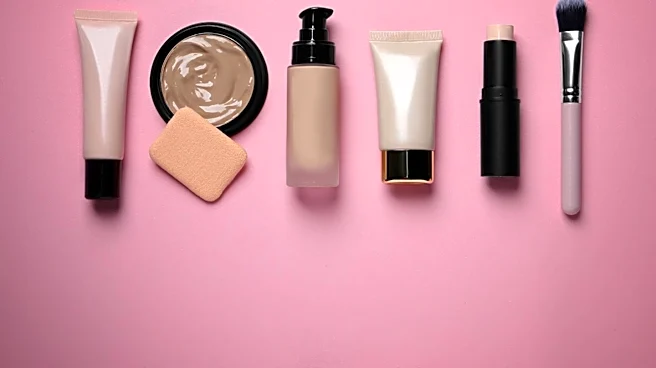
guide reviews seven foundation options, including FACE atelier Ultra Skin, Koh Gen Do Moisture Foundation, and TEMPTU S/B Foundation, highlighting their features, coverage, and suitability for various preferences. It discusses different foundation types such as liquid, cream, stick, powder, serum, and mineral, outlining their characteristics and application considerations. The guide also addresses common concerns for mature skin, such as dryness, fine lines, and uneven tone, providing advice on how to choose formulations that complement these changes. Key recommendations include opting for lightweight, buildable formulas, ensuring proper skin hydration, and applying foundation in thin layers to avoid emphasizing texture or settling into wrinkles. The article stresses the importance of shade matching, understanding undertones, and testing products in natural lighting before purchase.
Why It's Important?
This guide is important for consumers seeking to navigate the complex market of cosmetic products, particularly those with mature skin who often face specific challenges in finding suitable makeup. By shifting the focus from age-specific marketing to individual skin needs, Frends Beauty empowers consumers to make more informed choices, potentially leading to better product satisfaction and improved skin appearance. The detailed breakdown of foundation types, finishes, and application techniques can help individuals avoid common makeup mistakes that might exacerbate the appearance of aging skin, such as over-applying product or choosing unsuitable formulas. For the beauty industry, this approach underscores a growing trend towards personalized beauty solutions and away from broad, age-demographic targeting, encouraging brands to develop more versatile and skin-condition-specific products. This also benefits retailers by providing valuable content that educates customers, potentially increasing trust and driving sales of well-matched products.
What's Next?
Consumers are likely to use this guide to re-evaluate their current foundation choices and explore new products recommended by Frends Beauty. This could lead to increased demand for the specific brands and formulations highlighted in the article, particularly those praised for their lightweight, buildable coverage and skin-friendly ingredients. Beauty retailers and brands may observe a shift in consumer purchasing patterns, with more customers inquiring about product formulations, finishes, and suitability for specific skin concerns rather than just age. Makeup artists and beauty influencers might also incorporate these recommendations into their advice, further disseminating the guide's principles. In the broader beauty market, there could be a continued emphasis on developing foundations that cater to diverse skin needs and textures, moving away from generic 'anti-aging' claims towards more nuanced product descriptions and benefits. Educational content like this guide will likely become a more prominent tool for brands to engage with and inform their customer base.
Beyond the Headlines
The Frends Beauty guide reflects a broader cultural shift in how aging is perceived and addressed within the beauty industry. Moving beyond the traditional anti-aging narrative, which often implies a need to conceal or reverse signs of aging, this guide promotes an approach of enhancing natural beauty and working with the skin's current condition. This perspective fosters a more positive and inclusive view of aging, encouraging individuals to embrace their skin rather than fight against it. Ethically, this approach is more responsible, as it avoids perpetuating unrealistic beauty standards and instead focuses on practical solutions for comfort and confidence. Legally, as consumer awareness grows, there may be increased scrutiny on cosmetic claims, pushing brands towards greater transparency about ingredients and product performance. Culturally, this guide contributes to a growing movement that values authenticity and individuality in beauty, suggesting a long-term shift towards more personalized and less prescriptive beauty routines across all age groups.