






What's Happening?
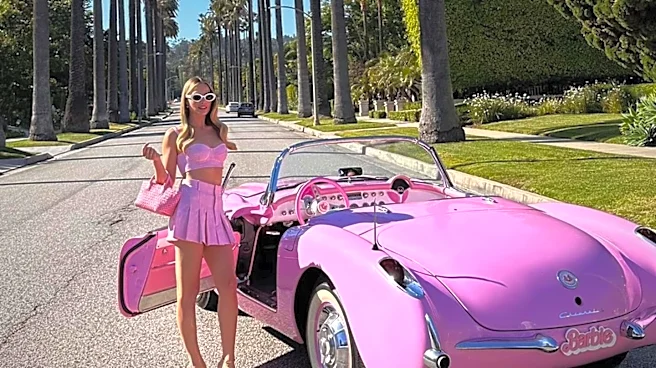
Social media algorithms are significantly shaping contemporary fashion, leading to the rapid emergence and disappearance of 'micro-trends.' These trends, often seen across platforms like TikTok and Instagram, saturate online content and physical stores
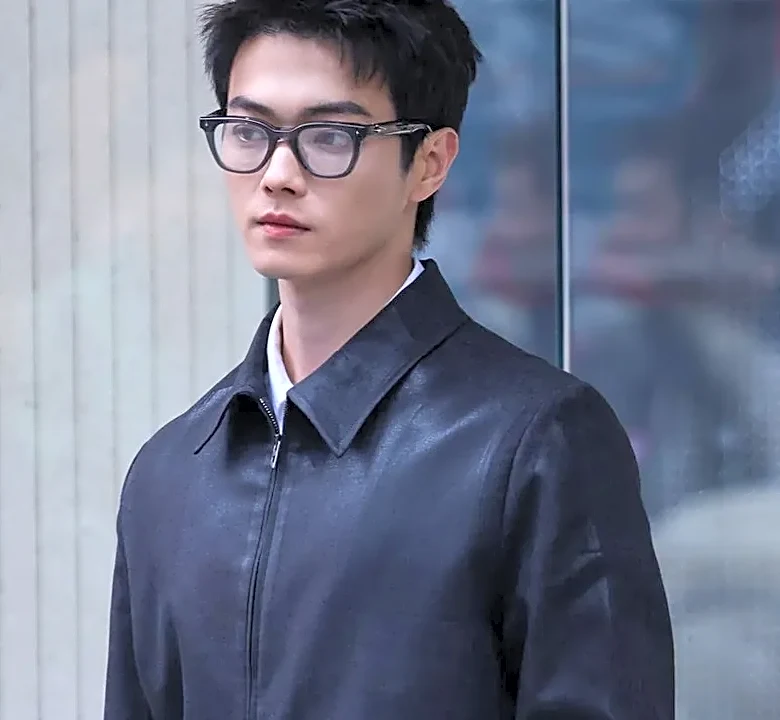
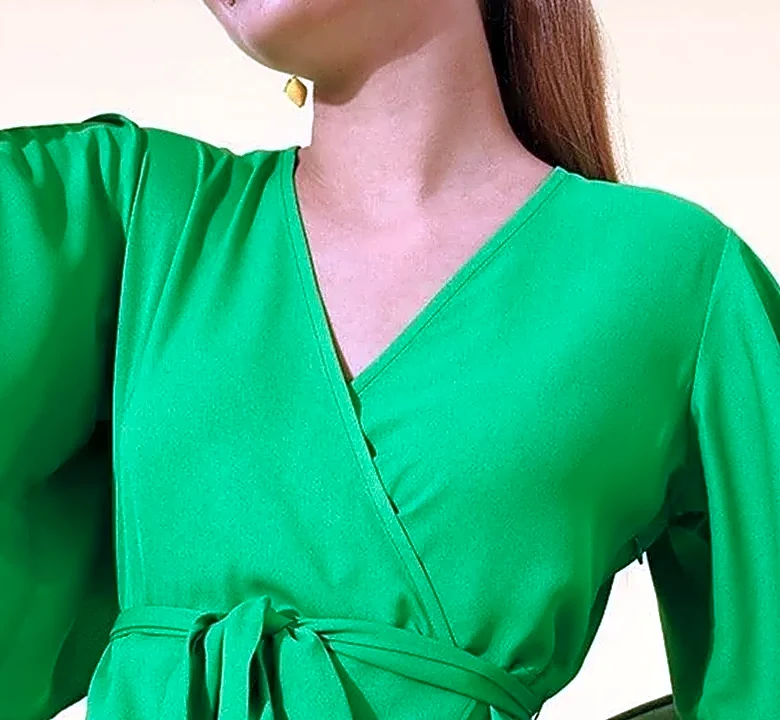
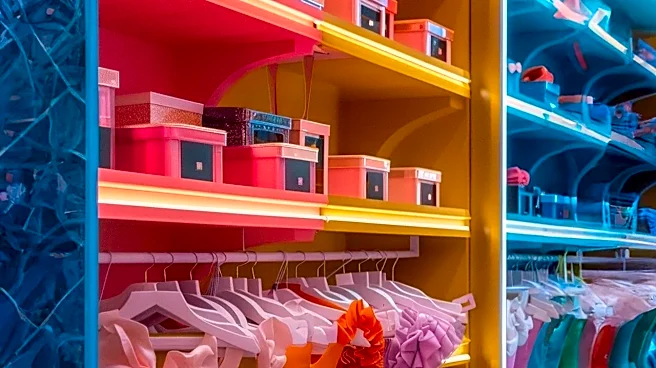
for brief periods. The influence of algorithms is so pervasive that they push specific aesthetics, such as the 'clean girl' look, which then impact the clothing choices of millions of young people. While social media promises self-expression, this algorithmic curation often results in a degree of conformity, as individuals are exposed to and adopt similar styles. Young consumers, like Lola Newland, acknowledge being influenced by online trends, though some, like Lola, express a desire to dress for personal enjoyment rather than solely for online inspiration. The phenomenon extends to the clothing rental market, where owner Storm Benson observes a growing trend-focused approach among customers, with popular, algorithm-driven styles being rented quickly.
Why It's Important?
The dominance of social media algorithms in fashion has profound implications for both consumers and the industry. For consumers, it can create a 'right or wrong' mindset regarding personal style, potentially stifling genuine self-expression in favor of online validation. The rapid cycle of micro-trends encourages frequent consumption, which can lead to increased waste and a disposable approach to clothing. For the fashion industry, this algorithmic influence means brands must react quickly to fleeting trends, potentially impacting design cycles, production methods, and inventory management. While algorithms can introduce new styles and foster niche communities, they also risk homogenizing fashion and reducing individuality. The shift from fashion as a form of societal commentary or rebellion, as seen in past generations, to one driven by engagement metrics highlights a significant cultural change in how style is perceived and adopted.
What's Next?
The trajectory of fashion will likely continue to be heavily intertwined with technological advancements in social media algorithms. As these algorithms become more sophisticated, their ability to predict and shape consumer preferences will only grow. This could lead to even faster trend cycles, placing greater pressure on brands to adapt and innovate at an accelerated pace. Consumers may increasingly seek ways to balance algorithmic influence with personal style, potentially leading to a counter-movement emphasizing sustainable, timeless, or individually curated wardrobes. The discussion around whether social media restricts individuality or merely changes its portrayal will persist, prompting ongoing conversations about the role of technology in personal identity and cultural expression. Fashion educators and content creators may focus on empowering individuals to develop their unique style amidst the constant influx of trends.
Beyond the Headlines
The algorithmic control over fashion trends raises deeper questions about autonomy and authenticity in a digitally mediated world. The concept of 'vibe-based fashion' suggests a desire for an overarching aesthetic that reflects a lifestyle, rather than just specific garments. This pursuit of a 'vibe' can extend beyond clothing to influence other aspects of life, as seen with aesthetics like the 'clean girl' trend, which embodies an aspirational lifestyle. This phenomenon highlights how digital platforms can create powerful feedback loops, where content consumption influences real-world choices, and those choices, in turn, generate more content. The ethical implications of algorithms dictating cultural norms and consumer behavior warrant further examination, particularly concerning their potential to create echo chambers of style and limit exposure to diverse fashion perspectives. The tension between algorithmic efficiency and human creativity will remain a central theme in the evolving landscape of fashion and culture.