



What's Happening?
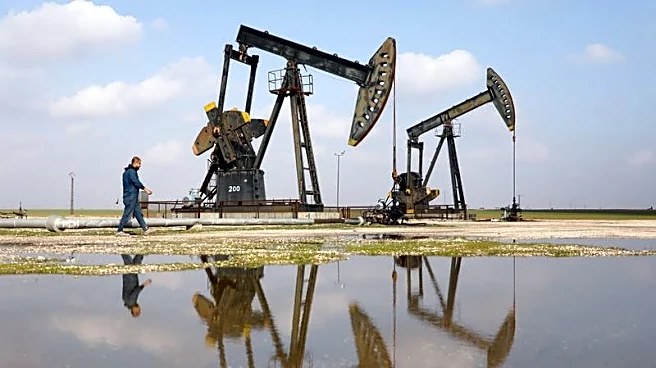
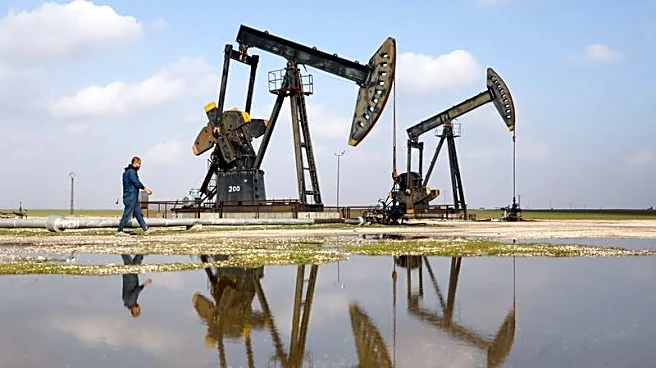
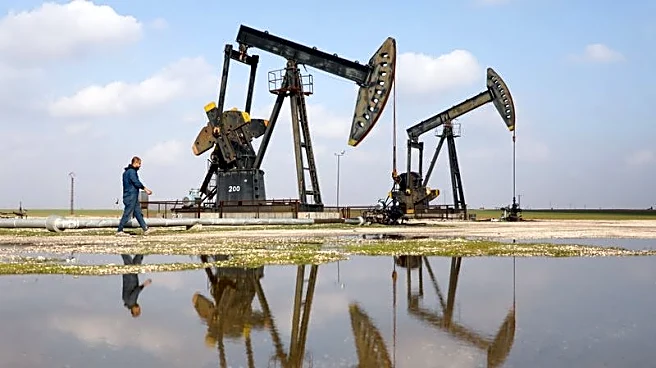
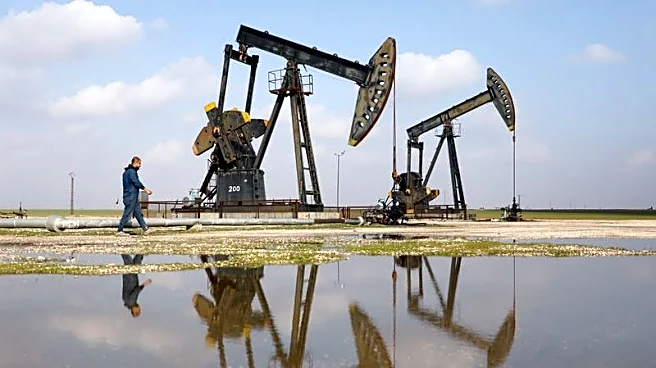
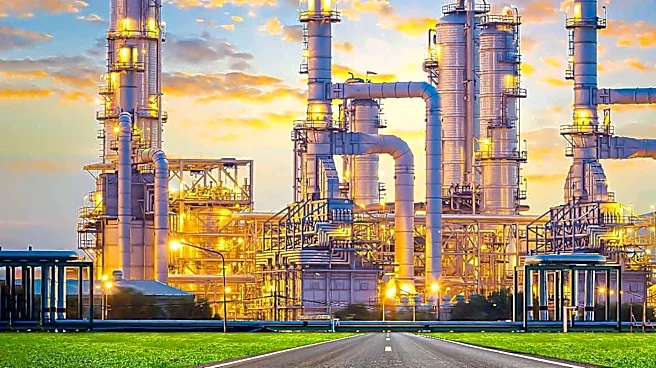
ExxonMobil and Chevron have issued warnings that high fuel prices are likely to persist due to significant constraints in global refining capacity. The ongoing conflicts involving Iran and the Russia-Ukraine war have severely impacted refining operations,
removing millions of barrels per day from the market. ExxonMobil CEO Darren Woods highlighted the unprecedented low levels of available refining capacity relative to demand, citing the closure of the Strait of Hormuz and limited exports from China and Russia as major factors. Chevron CEO Mike Wirth echoed these concerns, noting that their refineries are operating at record rates but still face upward pressure on product pricing. U.S. refineries are running near maximum capacity, deferring maintenance to meet demand, which raises the risk of unplanned outages.
Why It's Important?
The sustained high fuel prices have significant implications for consumers and the broader economy. Households and businesses are likely to face increased costs for transportation and heating, with limited relief in sight. The situation benefits integrated oil majors and refiners with strong domestic capacity, as they capitalize on high margins and robust demand. However, the risk of demand destruction looms if prices remain elevated for too long. The geopolitical tensions and operational constraints highlight the vulnerability of global energy markets to disruptions, emphasizing the need for strategic planning and diversification of energy sources.
What's Next?
As the situation unfolds, stakeholders will be monitoring potential policy changes, such as the expiration of the Jones Act waiver, which has allowed for increased domestic shipping of crude and refined products. The waiver has helped balance regional energy costs but may not be extended indefinitely. Additionally, the industry will need to navigate the upcoming maintenance cycles and potential impacts of the hurricane season on refining operations. Investors and policymakers will be closely watching for any geopolitical developments that could alter the current supply constraints and affect market dynamics.