





What's Happening?
Preferred Hotels & Resorts has launched a new initiative called 'Business with Balance,' which offers curated hotel pairings designed to help business travelers extend their work trips into leisure experiences. This program responds to the growing trend
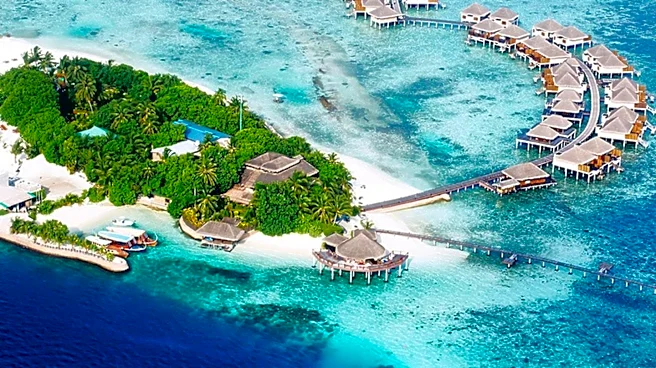
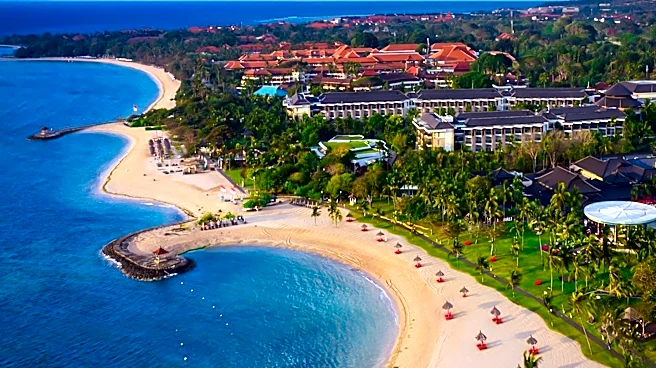
of 'bleisure' travel, where individuals combine business obligations with personal vacation time. The pairings connect centrally located hotels in business hubs with independent properties offering distinct leisure settings, such as resorts, wellness retreats, or countryside escapes. For example, the program links Pendry Manhattan West in New York City with Pendry Natirar in New Jersey's Somerset Hills, allowing for a seamless transition from urban business to a rural retreat. Other pairings include Hotel New Otani Tokyo with Hotel New Grand in Yokohama, The Fitzwilliam Hotel Dublin with The Europe Hotel & Resort in Killarney, and The Marker Union Square San Francisco with Cavallo Point. According to Preferred Hotels & Resorts’ Luxury Travel Report, over 30% of luxury travelers blend business and leisure annually, and a 2025 report from Navan and Skift indicated that 55% of business travelers took at least two blended trips in the previous year.
Why It's Important?
The 'Business with Balance' program is important because it directly addresses a significant and evolving demand within the U.S. travel industry. The increasing prevalence of bleisure travel, with 73% of business travelers considering flexibility in this area a valuable workplace benefit, signifies a shift in corporate travel norms. By offering structured options for combining work and leisure, Preferred Hotels & Resorts is catering to a demographic that values work-life balance and seeks to maximize their travel experiences. This trend impacts not only the hospitality sector but also corporate travel policies, as companies increasingly need to accommodate employees who wish to extend business trips for personal reasons. The program could influence other hotel chains to develop similar offerings, fostering competition and further integrating leisure components into business travel, ultimately benefiting employees and potentially boosting overall travel spending in various destinations.
What's Next?
The introduction of 'Business with Balance' is likely to prompt other major hotel groups and travel management companies to enhance their bleisure offerings. As the trend continues to grow, we can expect more tailored packages, loyalty program integrations, and flexible booking options designed to facilitate combined business and leisure trips. Travel managers within corporations will face increasing pressure to update their travel policies to clearly define guidelines around personal days, companions, airfare changes, and cost allocation for bleisure travel. This will ensure employees have the flexibility they desire while maintaining compliance and manageability for the business. The success of programs like 'Business with Balance' could also lead to increased investment in properties that can serve both business and leisure needs, potentially driving development in areas that offer a blend of urban convenience and recreational opportunities.
Beyond the Headlines
The rise of bleisure travel, exemplified by initiatives like 'Business with Balance,' reflects a broader cultural shift towards prioritizing work-life integration and employee well-being. This trend suggests that the traditional rigid separation between professional and personal life is diminishing, with individuals seeking more holistic experiences. For businesses, embracing bleisure travel can be a powerful tool for talent retention and employee satisfaction, particularly among younger generations like Gen Z, where 59% specifically choose to work for companies offering blended travel flexibility. The ethical implications revolve around ensuring equitable access to such benefits across all employee levels and establishing clear boundaries to prevent exploitation or burnout. Legally, companies will need to navigate complexities related to insurance, liability, and tax implications for the leisure portion of these trips. Culturally, this trend could reshape how business travel is perceived, transforming it from a purely functional necessity into an opportunity for personal growth and exploration, thereby enriching the overall employee experience.