






What's Happening?
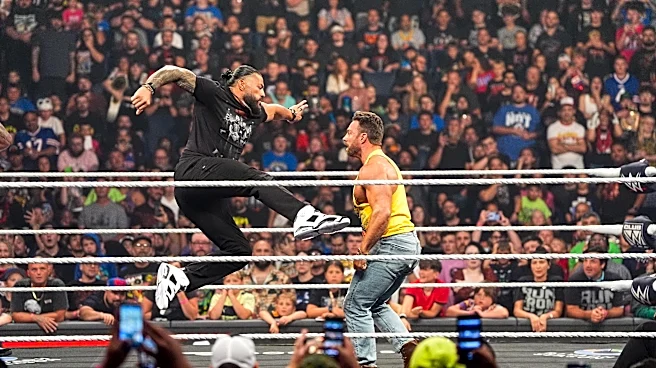
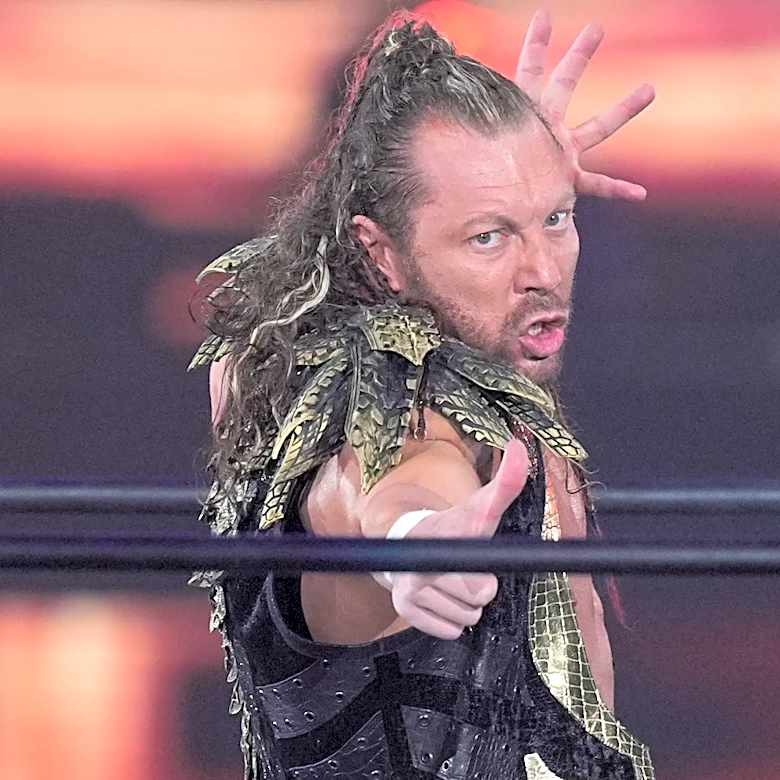
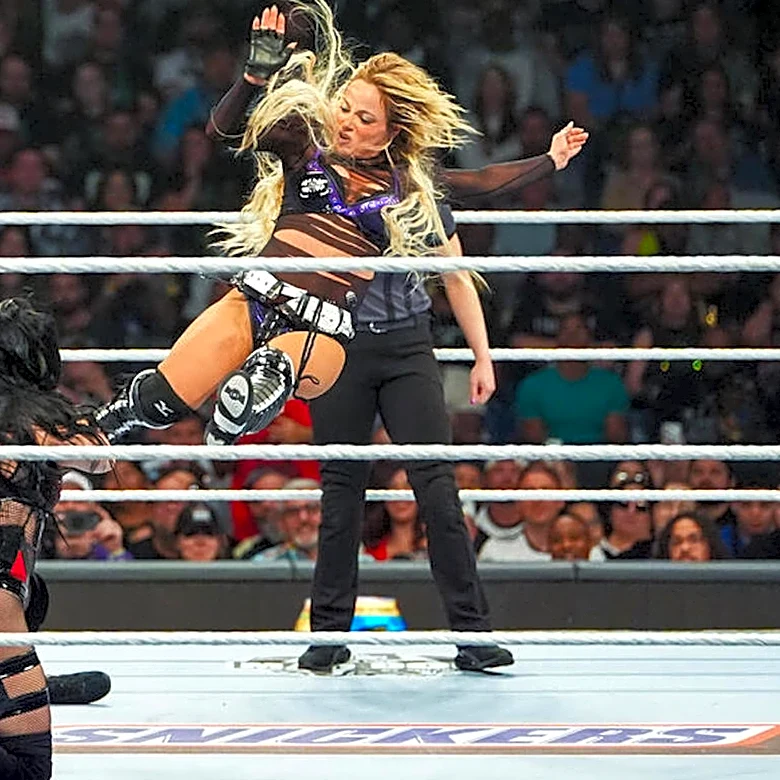
The latest viewership figures for WWE NXT and AEW Dynamite show WWE NXT drawing 532,000 viewers, surpassing AEW Dynamite, which averaged 495,000 viewers. Both wrestling programs experienced a decline in viewership compared to the previous week. Despite
the overall drop, both companies found reasons to be positive internally. According to Fightful, AEW was encouraged by Dynamite's performance, noting a significant increase over last year's pre-empted episode, which they considered a more meaningful comparison. On the other hand, WWE officials were pleased that NXT finished ahead of Dynamite in head-to-head viewership and internally highlighted this victory once the ratings were released. Neither promotion is celebrating the overall declines, but each sees aspects to build upon.
Why It's Important?
This ratings outcome underscores the ongoing competitive landscape between WWE and AEW in the professional wrestling market. While both companies aim for overall viewership growth, direct head-to-head comparisons remain a significant metric for internal morale and external perception. WWE's focus on NXT outperforming Dynamite indicates a strategic emphasis on its developmental brand as a direct competitor, potentially signaling increased investment or promotional efforts for NXT. For AEW, benchmarking against previous year's comparable episodes suggests a long-term growth strategy rather than solely focusing on week-to-week fluctuations. These internal reactions can influence future programming decisions, talent allocation, and marketing strategies as both promotions vie for market share and audience engagement in the U.S. wrestling scene.
What's Next?
The differing internal interpretations of the ratings suggest that both WWE and AEW will continue to refine their strategies based on their respective positive takeaways. WWE may further leverage NXT's perceived momentum against AEW Dynamite, potentially by featuring more prominent storylines or talent from its main roster on NXT. AEW is likely to continue its focus on year-over-year growth, aiming to consistently improve upon past performances rather than getting caught in weekly rating battles. Both companies will undoubtedly analyze audience demographics and content engagement to address the overall viewership declines. Future programming decisions, such as special events, guest appearances, or storyline developments, will likely be influenced by these ongoing rating trends and the desire to capture and retain a larger audience.
Beyond the Headlines
The wrestling industry's reliance on television viewership as a primary success metric highlights broader trends in media consumption, where live television audiences are increasingly fragmented. The internal spin from both WWE and AEW—one focusing on head-to-head wins, the other on year-over-year growth—reflects different strategic philosophies in a dynamic media environment. This also speaks to the psychological aspect of competition, where even in a declining market, finding a 'win' can be crucial for internal morale and investor confidence. The long-term health of professional wrestling on traditional television platforms will depend on both companies' ability to adapt to changing viewer habits, potentially through increased digital content, streaming partnerships, and interactive fan experiences, beyond just the weekly broadcast numbers.