

What's Happening?
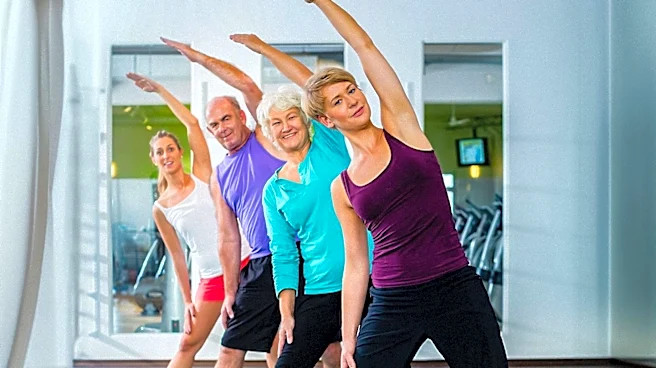
Pilates is a comprehensive exercise discipline that focuses on enhancing core strength, flexibility, and mindful movement. It incorporates controlled movements, precise alignment, and specific breathing techniques. This method is widely recommended for
individuals seeking to optimize their movement, improve overall wellness, and build long-term physical resilience. For beginners, Pilates helps in improving posture and alignment, which is particularly beneficial for those who spend extended hours at a desk or are recovering from injuries. It also significantly enhances core stability, crucial for daily activities, exercise performance, and injury prevention. Furthermore, Pilates increases flexibility and balance, contributing to better overall mobility and functional performance, and develops body awareness, leading to more efficient and confident movement. The practice is guided by principles such as concentration, control, centering, flow, breath, and precision, ensuring that each session is deliberate and effective.
Why It's Important?
The emphasis of Pilates on core strength, flexibility, and mindful movement holds significant importance for public health and individual well-being in the U.S. As sedentary lifestyles become more prevalent, particularly among office professionals, the focus on improving posture and alignment can mitigate common issues like back pain and musculoskeletal problems. Enhanced core stability is vital for preventing injuries, not just in athletic populations but also in the general public, reducing healthcare costs associated with physical therapy and rehabilitation. The increase in flexibility and balance is particularly beneficial for an aging population, helping to reduce the risk of falls and maintain independence. By developing body awareness, individuals can move more efficiently, leading to a higher quality of life and sustained physical activity. The holistic approach of Pilates, integrating physical and mental aspects through mindful movement, offers a valuable tool for stress reduction and overall mental well-being, contributing to a more resilient and healthier society.
What's Next?
The growing recognition of Pilates' benefits suggests a continued expansion of its availability and integration into various wellness and rehabilitation programs across the U.S. Fitness centers, physical therapy clinics, and specialized studios are likely to further incorporate Pilates into their offerings, catering to a broader demographic, including seniors and individuals with specific rehabilitation needs. There may be an increased demand for certified Pilates instructors, leading to more comprehensive training programs and certifications. Additionally, as research continues to highlight the efficacy of Pilates for various conditions, it could see greater acceptance and recommendation from healthcare professionals as a complementary therapy. The evolution of Pilates, from classical to contemporary approaches, indicates ongoing innovation in exercise routines and equipment, ensuring its relevance and adaptability to diverse fitness goals and preferences.
Beyond the Headlines
Beyond its immediate physical benefits, Pilates fosters a deeper connection between mind and body, promoting a sense of control and self-awareness that extends beyond the exercise mat. This mindful approach can cultivate discipline and focus, which are transferable skills applicable to various aspects of daily life, from professional tasks to personal challenges. The emphasis on precision and controlled movement encourages individuals to pay closer attention to their bodies, potentially leading to earlier detection of physical imbalances or discomforts. Ethically, the individualized and adaptable nature of Pilates makes it accessible to a wide range of body types and fitness levels, promoting inclusivity in the fitness industry. Culturally, the rise of Pilates reflects a broader societal shift towards holistic health and preventive care, moving beyond purely aesthetic goals to embrace functional fitness and long-term well-being. This trend could influence public policy discussions around health and wellness initiatives, potentially leading to greater support for accessible and diverse fitness programs.