



What's Happening?
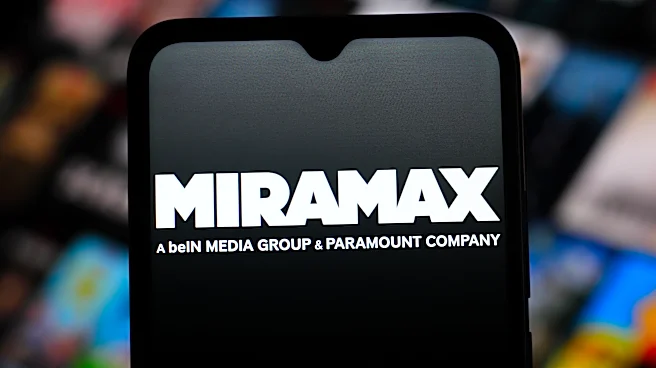
Miramax, the U.S. distributor for Phillip Noyce's 2002 adaptation of Graham Greene's novel 'The Quiet American,' delayed the film's release for over a year following the September 11 terrorist attacks. The decision was reportedly based on the assumption
that American audiences, perceiving the attacks as unprovoked, would be unreceptive to a film critical of the country's overseas actions in the 1950s. The film, an anti-American novel set during France's war in Vietnam in the early 1950s, juxtaposes a British journalist, his Vietnamese mistress, and an idealistic American aid worker. Despite the delay and apparent trimming by Miramax, the film, starring Michael Caine and Brendan Fraser, was eventually released and received critical attention, with Caine earning an Oscar nomination for his performance.
Why It's Important?
This decision by Miramax highlights the significant impact of national events, such as the September 11 attacks, on the entertainment industry and cultural discourse in the U.S. The delay of 'The Quiet American' demonstrates how distributors may self-censor or alter release strategies to align with perceived public sentiment, potentially limiting the immediate availability of diverse perspectives on historical and political issues. This practice can influence what narratives reach American audiences and when, affecting public understanding and critical engagement with complex topics. The situation also underscores the power dynamics between filmmakers and distributors, where commercial considerations and perceived national mood can override artistic intent or timely release.
What's Next?
While the film was eventually released, the incident serves as a historical example of how major events can shape the distribution and reception of media. Future decisions by distributors regarding films with potentially sensitive political or historical themes may continue to be influenced by the prevailing social and political climate. The long-term impact of such delays can include altered box office performance, critical reception, and the film's place in cultural memory. The ongoing discussion around media censorship and self-censorship in the U.S. entertainment industry will likely continue, particularly concerning how historical events are portrayed and consumed by the public.
Beyond the Headlines
The Miramax decision raises questions about the role of film distributors in shaping public opinion and historical understanding. By delaying a film perceived as critical of U.S. foreign policy, the company inadvertently engaged in a form of gatekeeping, potentially influencing the national conversation during a sensitive period. This incident reflects a broader tension between artistic freedom and commercial viability, especially when national sentiment is heightened. It also highlights how historical narratives, even those from decades past, can become entangled with contemporary events, leading to re-evaluations of their relevance and potential impact on audiences.