



What's Happening?
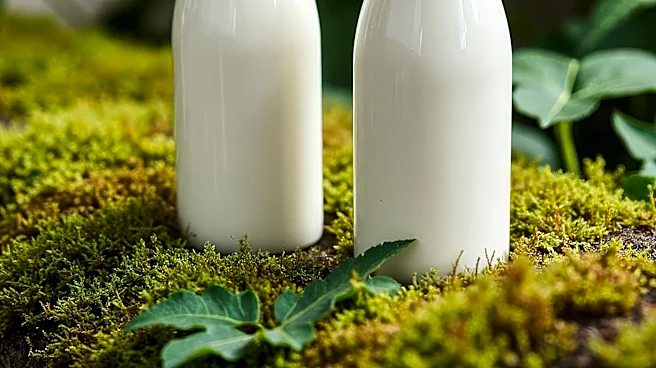
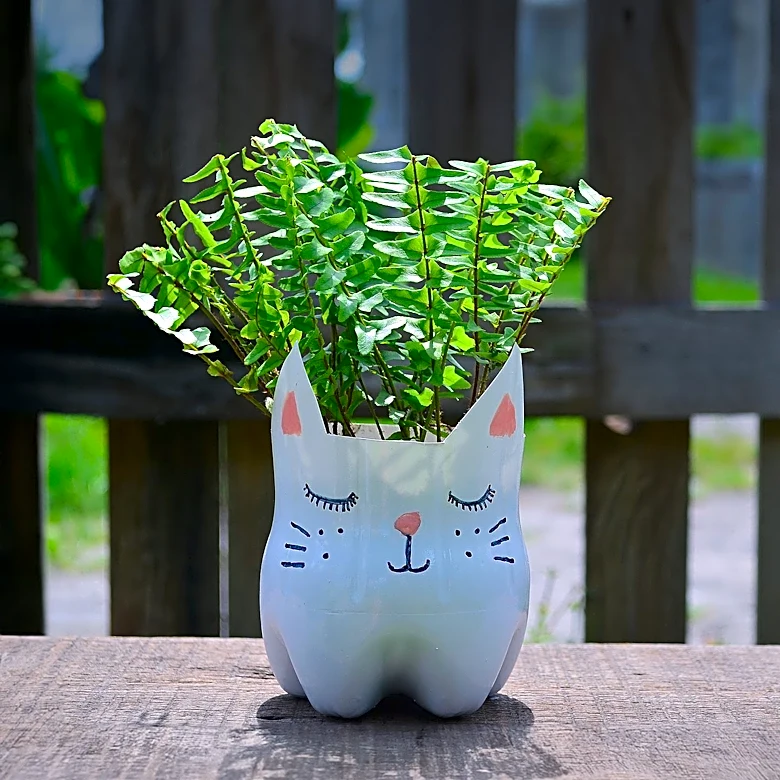
Individuals are increasingly upcycling old plastic milk jugs into practical bathroom storage organizers. One method involves cutting off the top of a large milk jug, leaving one side longer to serve as a backing for wall mounting. A hole is then poked
in this taller side to create a hanger, allowing the organizer to be slipped over a small wall hook. To ensure belongings sit neatly, a piece of cardboard is added inside to level the bottom. Decorative tape, paint, or decoupage can be applied to enhance the aesthetic. Another approach involves trimming off the entire top of the jug to create a basic bin from the bottom section, suitable for organizing clutter inside cabinets, on shelves, or under the sink. These DIY solutions offer a cost-effective and sustainable way to manage bathroom clutter, utilizing items that would otherwise be discarded.
Why It's Important?
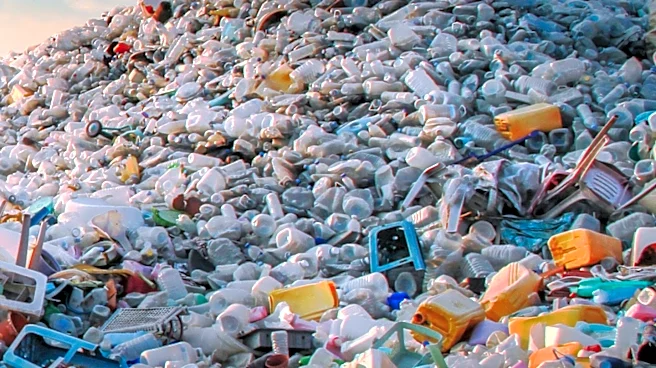
This trend is significant for U.S. households grappling with limited storage space and tight budgets, particularly in urban areas where bathroom sizes can be compact. By transforming milk jugs into functional organizers, individuals can address practical needs without incurring additional expenses, promoting financial prudence. Furthermore, this practice aligns with growing environmental awareness and the push for sustainability, reducing plastic waste and extending the lifecycle of everyday items. The accessibility of these DIY projects empowers consumers to take an active role in eco-friendly living, fostering a sense of resourcefulness and reducing reliance on new purchases. It also highlights the potential for creative problem-solving in home organization, demonstrating how common household waste can be repurposed effectively.
What's Next?
The continued adoption of such upcycling hacks is likely to inspire more innovative uses for common household plastics. We can anticipate a rise in online content, tutorials, and community forums dedicated to creative reuse and sustainable living. This could lead to increased demand for tools and materials that facilitate upcycling, such as adhesive hooks or decorative tapes. Local community centers or environmental groups might also offer workshops on repurposing household waste, further popularizing these practices. As consumers become more conscious of their environmental footprint, the market for sustainable home solutions, both DIY and commercially produced, is expected to expand, potentially influencing product design towards more recyclable or reusable materials.
Beyond the Headlines
Beyond the immediate utility, the act of upcycling milk jugs into storage solutions reflects a broader cultural shift towards minimalism and conscious consumption. It encourages individuals to critically assess their waste and consider its potential for reuse, fostering a deeper connection to their environmental impact. This practice can also instill a sense of pride and accomplishment, as individuals transform discarded items into valuable household assets. Ethically, it promotes a 'reduce, reuse, recycle' mindset, challenging the linear economy of production and disposal. Societally, it contributes to a collective effort to mitigate plastic pollution and conserve resources, demonstrating that small, individual actions can collectively lead to significant environmental benefits. This trend underscores the evolving relationship between consumers, waste, and sustainable living.