









What's Happening?
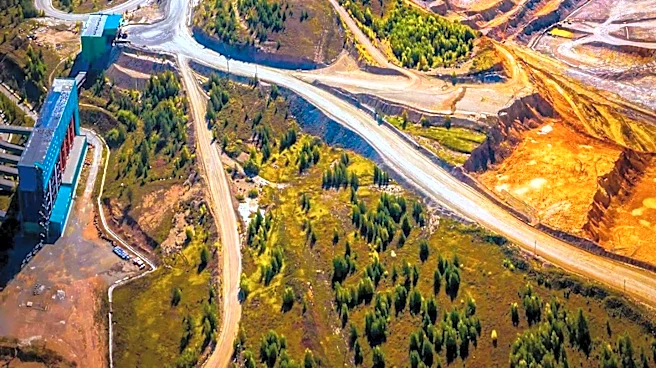
In Exeter, New Hampshire, a small refinery is working to extract critical minerals from mining waste, essential for U.S. weapons systems. This effort is part of a broader push to reduce reliance on China, which dominates the global supply and processing
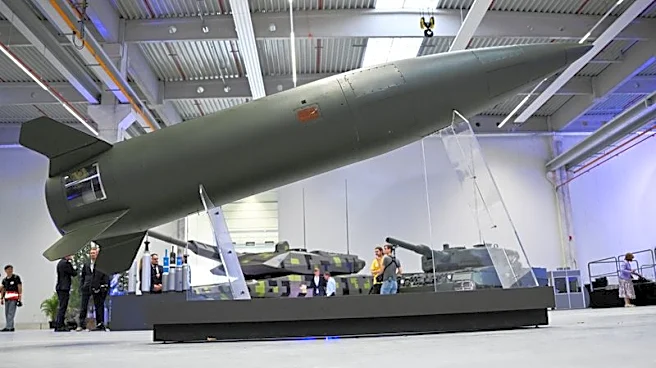
of these minerals. Phoenix Tailings, the company behind this initiative, has received a $500 million loan from the Pentagon to expand its operations. The urgency of this project is heightened by the ongoing conflict with Iran, which has depleted U.S. military stockpiles of advanced munitions. The Trump administration has imposed stricter rules on sourcing critical minerals, demanding that they be obtained domestically or from allied nations.
Why It's Important?
The U.S. military's reliance on critical minerals from China poses a strategic vulnerability, especially in light of geopolitical tensions. By developing domestic sources, the U.S. aims to secure its supply chain for defense systems, reducing the risk of supply disruptions. This initiative also aligns with broader efforts to bolster national security and economic independence. However, the transition to domestic production is complex and time-consuming, requiring significant investment and technological advancements. The success of this initiative could set a precedent for other industries reliant on critical minerals, potentially reshaping global supply chains.
What's Next?
The U.S. faces a challenging timeline to ramp up domestic production of critical minerals. Companies like Phoenix Tailings are working to increase their capacity, but it will take years to meet the full demand. In the interim, the Pentagon and defense contractors will need to rely on existing inventories and alternative sources. The outcome of these efforts will depend on continued government support and collaboration with industry partners. Additionally, the U.S. must navigate potential trade tensions with China, which could impact the availability of critical minerals in the short term.