







What's Happening?
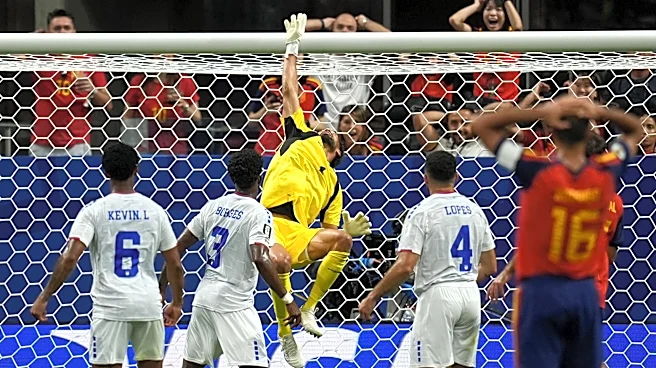
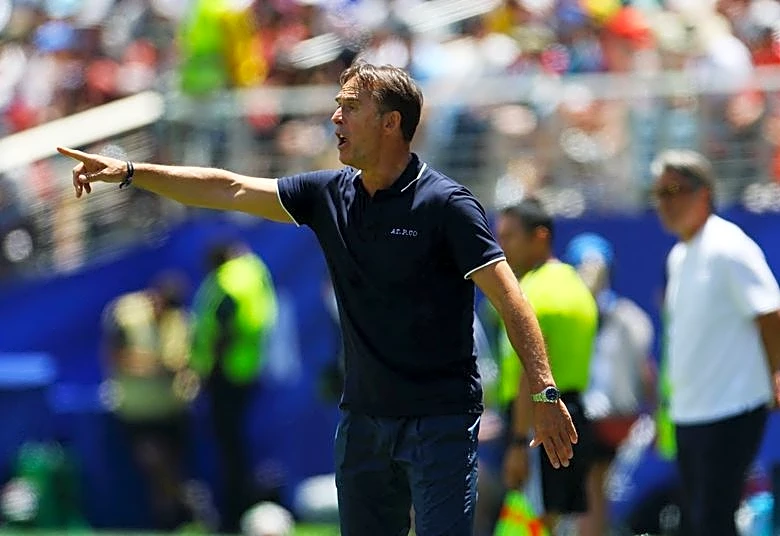
Roberto Lopes, a 33-year-old defender, played a crucial role in Cape Verde's surprising performance at the World Cup, securing a 0-0 draw against Spain. Lopes, born in Dublin to an Irish mother and a Cape Verdean father, had a unique path to the World Cup.
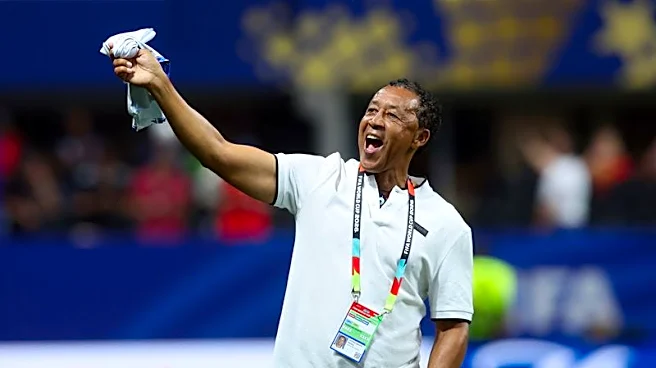
Despite playing in Ireland's top division for 16 years, he had only one international appearance for Ireland at the Under-19 level. His opportunity to play for Cape Verde came through a LinkedIn message from the national team's head coach, which he initially ignored due to the language barrier. Once the message was resent in English, Lopes seized the opportunity, making his debut for Cape Verde in 2019. Cape Verde, with a population similar to Kansas City, is the third-smallest nation to qualify for the World Cup. Their match against Spain, a top-ranked team, was expected to be challenging, but Lopes and his team managed to hold Spain to a draw, with Lopes making significant defensive contributions.
Why It's Important?
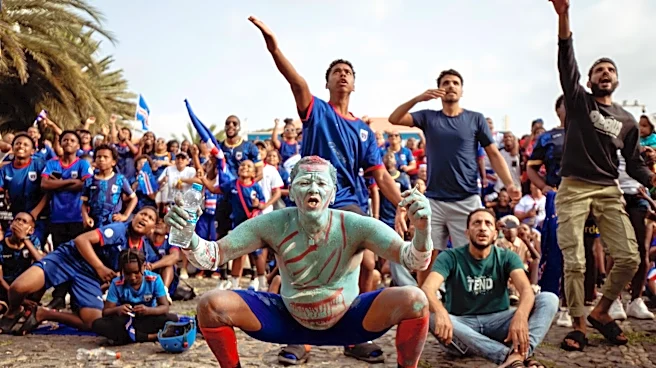
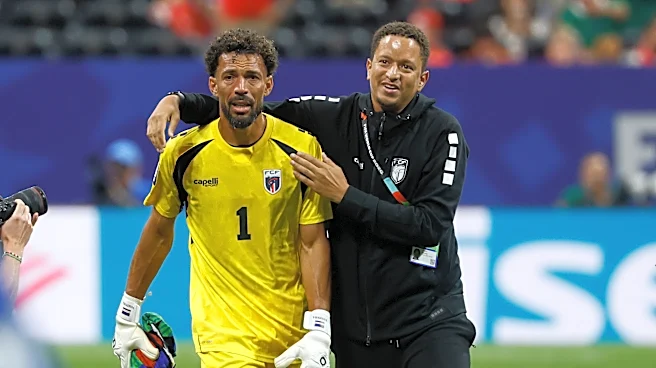
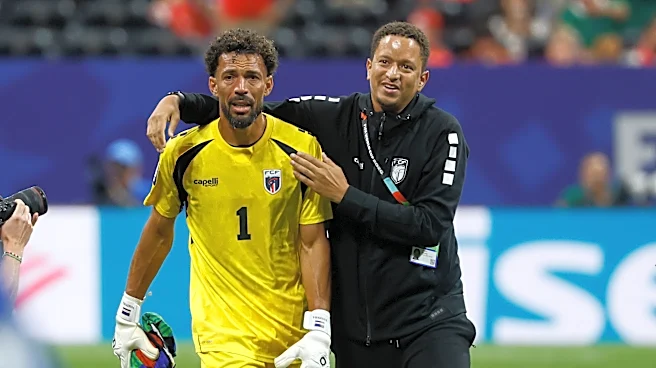
This event highlights the unconventional paths athletes can take to reach the international stage, emphasizing the role of modern communication platforms like LinkedIn in sports recruitment. For Cape Verde, this achievement on the world stage is significant, showcasing the potential of smaller nations in international competitions. The draw against Spain not only boosts the morale of the Cape Verdean team but also raises the profile of its players, as seen with the goalkeeper Vozinha gaining millions of followers. This could lead to increased interest and investment in soccer within Cape Verde, potentially inspiring a new generation of players. For the global soccer community, it underscores the unpredictability and excitement of the World Cup, where underdogs can challenge established teams.
What's Next?
Following their impressive performance, Cape Verde will continue to compete in the World Cup, with their next matches likely drawing increased attention from fans and media. The team's success could lead to more scouting and recruitment of players from smaller nations, as well as increased support from Cape Verdean fans and sponsors. For Lopes, this experience may open up further opportunities in his soccer career, both at the club and international levels. The team's performance could also influence other small nations to invest in their soccer programs, seeing the potential for success on the world stage.
Beyond the Headlines
Lopes' journey to the World Cup through LinkedIn highlights the evolving nature of sports recruitment and the importance of digital communication in connecting talent with opportunities. This story also touches on themes of cultural identity and heritage, as Lopes reconnects with his Cape Verdean roots through soccer. It raises questions about the role of dual nationality in sports and how athletes navigate their identities in international competitions. Additionally, the story reflects broader societal trends of globalization and the blending of cultures, as players like Lopes represent multiple heritages on the world stage.