






What's Happening?
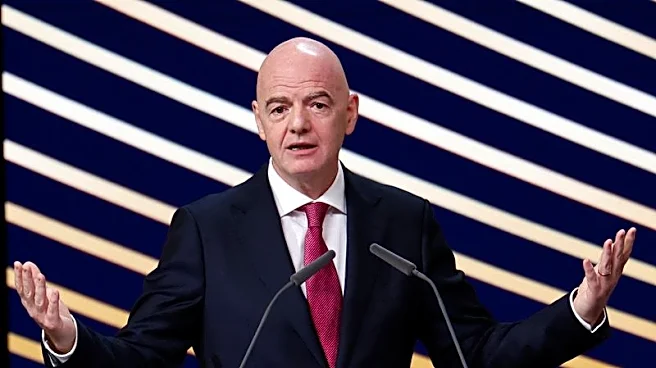
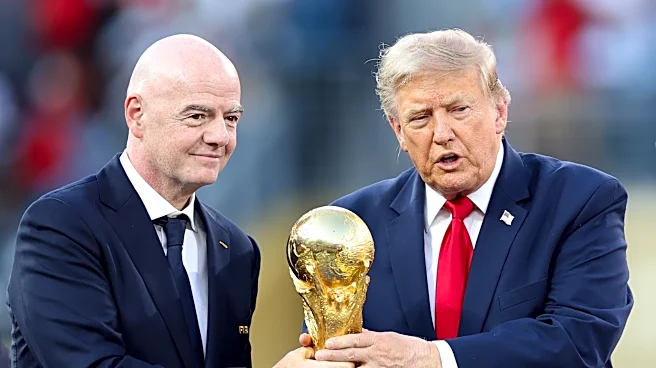
FIFA is experiencing internal challenges following the abandonment of a private-equity plan known as the FIFA Forward Enterprise. Secretary General Mattias Grafstrom described the situation as 'sad and reproachable' but emphasized the organization's commitment
to its core mission of serving football. The plan's cancellation has led to discussions about FIFA's governance and transparency. Additionally, Arsene Wenger, FIFA's Chief of Global Football Development, distanced himself from the plan, advocating for an independent FIFA. Meanwhile, U.S. cities that hosted the 2026 World Cup are awaiting promised financial support from FIFA, which has yet to be delivered.
Why It's Important?
The controversy surrounding the private-equity plan highlights ongoing governance issues within FIFA, raising questions about transparency and decision-making processes. The situation underscores the need for accountability in international sports organizations, particularly in managing financial and strategic initiatives. The delay in financial support to U.S. host cities could impact future collaborations and trust between FIFA and local organizers. This development may prompt calls for reforms within FIFA to ensure better oversight and alignment with its mission to promote and develop football globally.
What's Next?
FIFA's leadership may face increased scrutiny and pressure to implement governance reforms to restore confidence among stakeholders. The organization will need to address the concerns of U.S. host cities regarding the delayed financial support, which could affect future World Cup planning and partnerships. Stakeholders, including member associations and sponsors, may demand greater transparency and accountability in FIFA's operations. The situation could lead to broader discussions about the role of private equity in sports and the implications for governance and financial integrity.