




What's Happening?
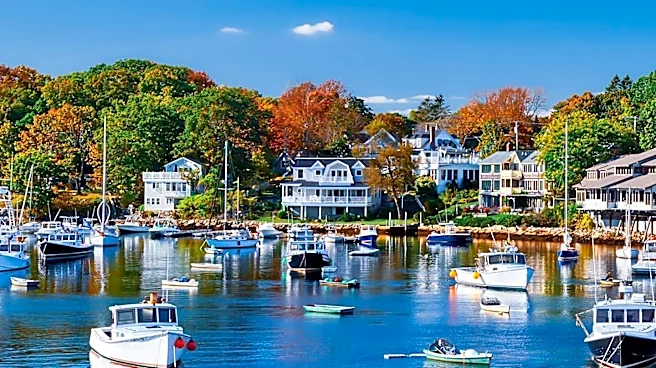
Newport, Rhode Island, a renowned tourist destination, has seen significant changes over the past two decades. The city, known for its stunning natural beauty and vibrant community, attracts over 3.5 million visitors annually. This influx has led to increased
congestion, especially during the summer months, as major thoroughfares become crowded. The rise in tourism has also resulted in a surge of second homeowners, new hotels, and short-term rental properties. While locals enjoy the city's amenities, they face challenges such as traffic delays and difficulty securing reservations at popular restaurants during peak seasons. Despite these issues, Newport remains a beloved home for its residents, offering a rich cultural and social environment.
Why It's Important?
The growing popularity of Newport as a tourist hotspot has significant implications for both the local economy and community. On one hand, the influx of visitors supports local businesses, from restaurants to hotels, contributing to economic growth. However, it also places a strain on infrastructure and resources, leading to congestion and higher living costs. The demand for accommodations during peak seasons drives up prices, making it challenging for visitors and locals alike. This dynamic highlights the balance that must be struck between promoting tourism and maintaining quality of life for residents. The situation in Newport reflects broader trends in tourism-dependent communities across the U.S., where economic benefits must be weighed against social and environmental impacts.
What's Next?
As Newport continues to attract tourists, city planners and local businesses may need to explore strategies to manage the influx more effectively. This could include improving public transportation options to alleviate traffic congestion and implementing policies to regulate short-term rentals. Additionally, promoting off-season tourism could help distribute visitor numbers more evenly throughout the year, reducing pressure during peak times. Engaging with the community to address concerns and ensure that the benefits of tourism are shared equitably will be crucial. The city's ability to adapt to these challenges will determine its long-term sustainability as a premier tourist destination.