





What's Happening?
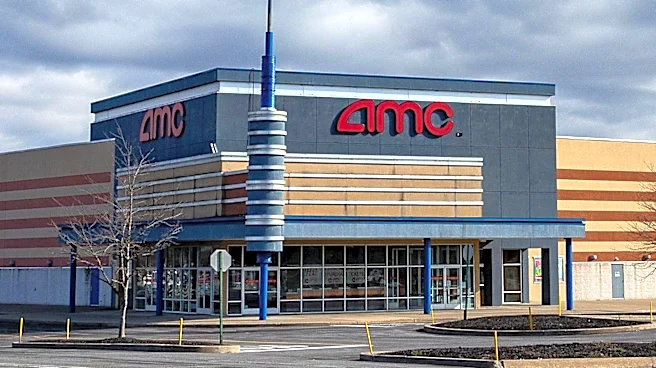
AMC Theaters, a major cinema chain, has launched its own film distribution label, Leawood Films, on August 31, 2026. This new venture aims to bring small or mid-sized, fully financed, and completed films to the big screen. According to AMC Entertainment
chairman and CEO Adam Aron, the initiative responds to moviegoers' increasing demand for a diverse range of theatrical content, including independent films. Aron stated that Leawood Films seeks to provide value to filmmakers whose movies might otherwise struggle to secure theatrical releases, offering them access to screens, attractive economics, and AMC's marketing expertise and industry relationships. The board of advisors for Leawood Films includes notable industry veterans such as former Warner Bros. Group chairman Toby Emmerich, former Walt Disney Studios marketing president Ricky Strauss, and former Paramount distribution veteran Kyle Davies. This move comes as smaller-budget films have seen significant success, with examples like 'Obsession,' 'Backrooms,' and Markiplier's independent horror film 'Iron Lung' performing well.
Why It's Important?
The establishment of Leawood Films by AMC Theaters marks a significant shift in the film distribution landscape, particularly for independent and mid-sized productions. This initiative addresses a critical gap where many quality films struggle to find theatrical distribution due to the dominance of major studio releases. By offering a direct pathway to screens, AMC can empower filmmakers and diversify the content available to audiences, potentially leading to a resurgence of independent cinema in mainstream theaters. For AMC, this represents a strategic move to utilize its existing theater capacity and generate additional revenue streams, especially as the industry continues to recover and adapt to changing audience preferences. It also positions AMC as a more integrated player in the film ecosystem, moving beyond just exhibition to active content curation and promotion. This could also influence other major cinema chains to explore similar distribution models, fostering a more competitive and varied theatrical market.
What's Next?
Leawood Films is expected to begin acquiring and distributing films, with its initial focus likely on productions that align with AMC's strategic goals and audience demographics. The success of this venture will depend on its ability to identify compelling films, effectively market them, and secure favorable terms for both filmmakers and exhibitors. Potential reactions from major film studios and existing independent distributors will be closely watched, as this new player could alter market dynamics. If successful, Leawood Films could expand its operations, potentially increasing the number of films it distributes annually and broadening its genre focus. The involvement of experienced industry advisors suggests a strategic approach to building a robust distribution pipeline. This initiative could also pave the way for more direct collaborations between exhibition companies and content creators, blurring the traditional lines between production, distribution, and exhibition.
Beyond the Headlines
The creation of Leawood Films by AMC Theaters has deeper implications for the artistic and economic health of the film industry. It challenges the traditional gatekeeping role of major studios and offers a more direct route for diverse stories to reach audiences. This could foster greater creative freedom for filmmakers, as they might find more willing partners for projects that fall outside conventional studio models. Ethically, it raises questions about potential conflicts of interest, as AMC would be both exhibiting and distributing films, but the stated goal is to fill excess capacity and bring more movies to theaters, which could benefit the industry as a whole. Culturally, a wider array of films in theaters could lead to a more vibrant and representative cinematic landscape, reflecting a broader spectrum of human experiences and perspectives. This move could also signal a long-term shift in how theatrical releases are managed, with exhibitors taking on more active roles in content acquisition and curation to ensure a steady supply of diverse and engaging films.