






What's Happening?
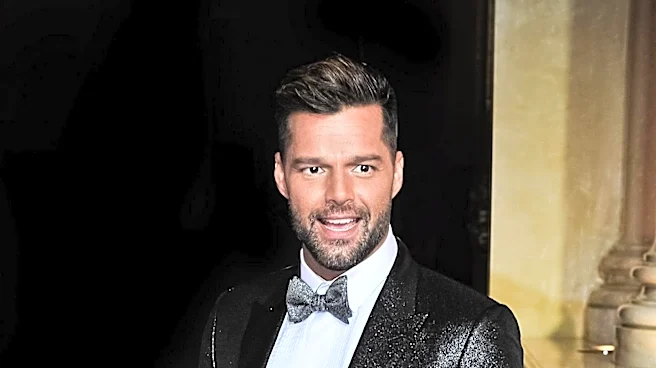
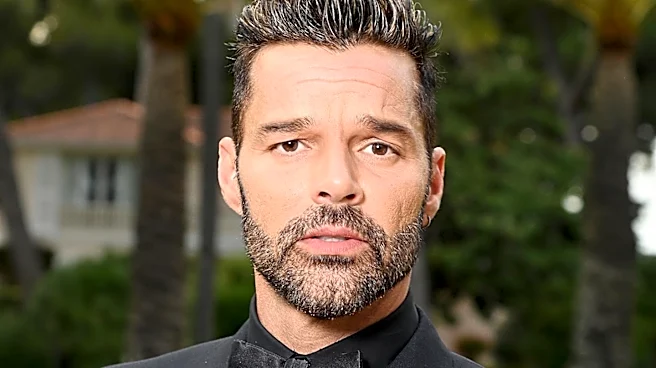
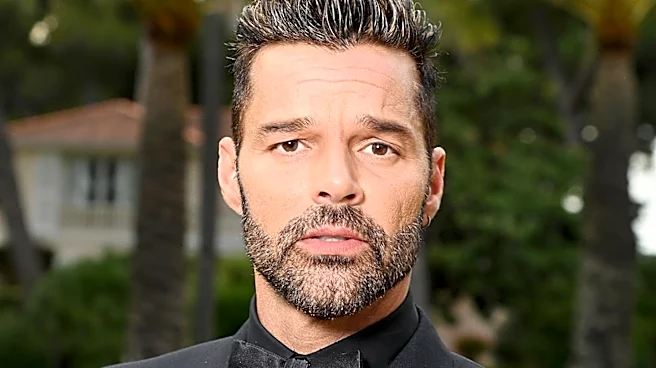
Ricky Martin, the internationally acclaimed Puerto Rican singer, recently disclosed details about a severe case of COVID-19 that nearly cost him his life. During an interview with hosts Enrique Santos and Dayanara Torres, Martin shared that he contracted
a very strong form of the virus some years ago, leading to a 50-day period of being bedridden. He described being unable to perform basic activities, including going to the bathroom, and experienced prolonged difficulty breathing. Fearing intubation and potential death in a hospital, Martin chose to self-hospitalize at home, where he felt he was close to dying on three separate occasions. This health crisis, which he had previously kept private, profoundly impacted his perspective on life and his artistic mission.
Why It's Important?
Ricky Martin's revelation highlights the severe and long-lasting impact of COVID-19, even on individuals with access to private healthcare. His decision to avoid hospitals due to fear of invasive treatments reflects a broader public concern during the pandemic regarding medical interventions and outcomes. For his fans and the wider public, his story underscores the unpredictable nature of the virus and the importance of gratitude and re-evaluating life priorities after a near-death experience. As a prominent figure in the entertainment industry, his candidness can help destigmatize discussions around severe illness and recovery, potentially encouraging others to share their own health struggles and seek support. His experience also emphasizes the psychological toll of the pandemic, beyond the physical symptoms.
What's Next?
Following his recovery, Ricky Martin has indicated that this near-fatal experience has led him to a deeper appreciation for life, his family, and the connection with his audience. He stated that he now wakes up every morning with gratitude, emphasizing the simple act of breathing. This renewed perspective is expected to influence his future artistic endeavors and public engagements, potentially leading to more introspective or emotionally charged work. His story may also encourage further dialogue among public figures about their personal health battles and the broader societal implications of health crises. Martin's commitment to emotional balance and artistic honesty, reaffirmed by this ordeal, suggests a continued focus on authentic expression in his career.
Beyond the Headlines
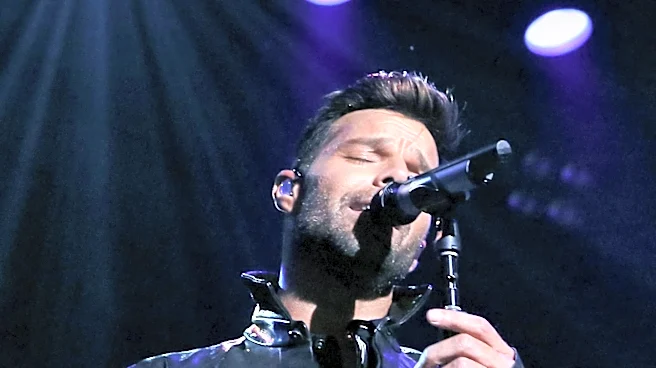
Ricky Martin's account delves into the psychological and existential dimensions of facing a life-threatening illness. His fear of hospitals and the feeling of being 'visited' by death on multiple occasions reveal the profound mental anguish that can accompany severe health crises. This experience has not only reshaped his personal priorities, such as valuing time with family and the affection of his followers, but also deepened his understanding of the impact of his music. He cited instances where fans told him his music helped them through difficult times, like cancer, which now holds a more profound meaning for him. This narrative transcends a mere health update, touching upon themes of mortality, resilience, and the transformative power of adversity on one's purpose and artistic expression.