


What's Happening?
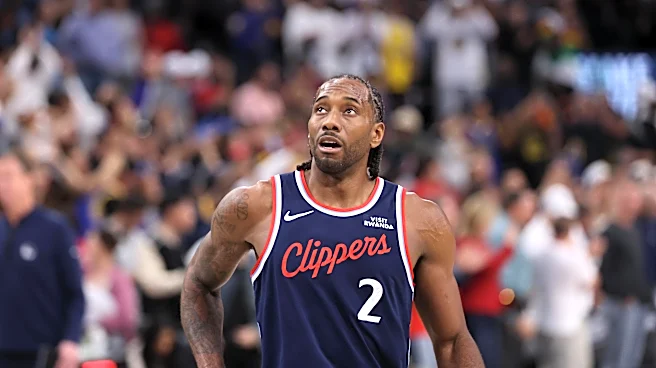
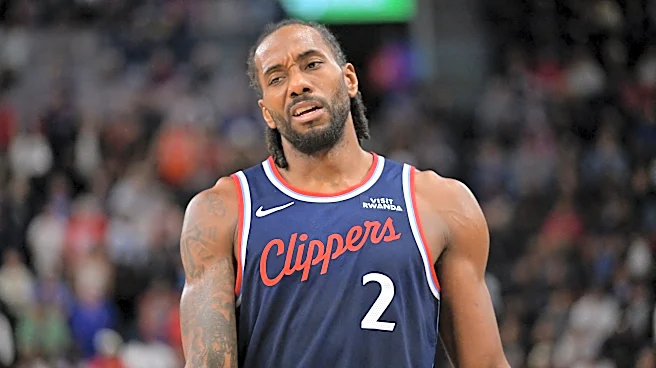
The NBA has issued significant penalties against the Los Angeles Clippers for violating league salary cap circumvention rules. An investigation revealed that Kawhi Leonard and his former business partner, Dennis Robertson, pressured the Clippers to facilitate
off-court business deals for Leonard. NBA regulations explicitly prohibit teams from arranging endorsement deals for players as a method to bypass salary cap restrictions. The league's findings indicate that Clippers president of business operations Gillian Zucker connected Robertson with Kansas City-based Lockton and two other companies, Boingo and Daktronics, in early July 2020. Leonard subsequently signed multi-million dollar endorsement agreements with these companies. These agreements, totaling $18 million, were paid to Leonard by August 2021, despite being signed during the early months of the COVID-19 pandemic when such deals were uncommon. The investigation noted that these agreements imposed minimal performance obligations on Leonard relative to the substantial payments received. Lockton, a commercial insurance and risk management firm, had never before or since entered into an endorsement agreement of comparable financial magnitude with any individual, and the company declined to cooperate with the investigation.
Why It's Important?
This ruling is significant for the NBA as it underscores the league's commitment to maintaining the integrity of its salary cap system, which is designed to promote competitive balance among teams. The substantial penalties—a $30 million fine and the forfeiture of five future first-round draft picks—send a clear message to other franchises about the severe consequences of attempting to circumvent league rules. For the Clippers, these sanctions will have a long-term impact on their ability to acquire talent through the draft, potentially hindering their competitive prospects for years to come. The involvement of companies like Lockton, which typically do not engage in such large-scale athlete endorsements, highlights the intricate and often opaque methods teams and players might use to gain an unfair advantage. This case also brings to light the challenges of enforcing complex financial regulations in professional sports, especially when third-party businesses are involved in facilitating deals that benefit players outside of standard contracts.
What's Next?
The Los Angeles Clippers will now face the immediate and long-term repercussions of these penalties. The $30 million fine will impact the team's financial operations, while the loss of five first-round draft picks will significantly constrain their future roster building and talent acquisition strategies. Other NBA teams and players will likely scrutinize this case, potentially leading to increased vigilance from the league in monitoring similar activities. The NBA may also review and potentially strengthen its existing rules and enforcement mechanisms regarding salary cap circumvention and player endorsement deals to prevent future violations. Companies that engage in endorsement deals with athletes, particularly those with ties to sports organizations, may face increased scrutiny regarding the legitimacy and transparency of these arrangements. The incident could also prompt a broader discussion within the sports industry about the ethical boundaries of player endorsements and team involvement.
Beyond the Headlines
This case delves into the ethical and legal complexities surrounding player endorsements and team-facilitated deals in professional sports. The finding that Lockton, a company specializing in commercial insurance, entered into an endorsement agreement of unprecedented financial scale for them, with minimal performance obligations from the athlete, raises questions about the true nature of such arrangements. It suggests a potential blurring of lines between legitimate business partnerships and indirect financial incentives designed to attract or retain star players. The lack of public advertisement or promotion by Lockton regarding Leonard's endorsement further supports the notion that the deal's primary purpose might have been to benefit the player in a manner prohibited by league rules, rather than a genuine marketing initiative. This incident highlights the ongoing challenge for sports leagues to regulate the intricate financial ecosystems surrounding their athletes and teams, especially when external businesses are involved, and underscores the importance of transparency in maintaining fair competition.