


What's Happening?
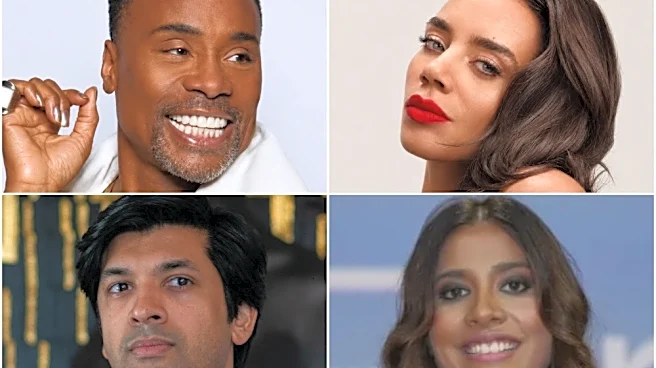
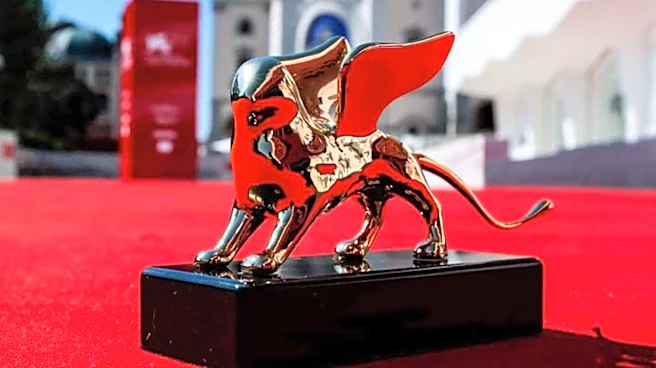
The Venice Biennale has awarded its top art prizes, renamed Visitors’ Lions, to American artist Nick Cave and India’s national pavilion. This year's awards were determined by votes cast by visitors to the exhibition, a departure from the traditional selection
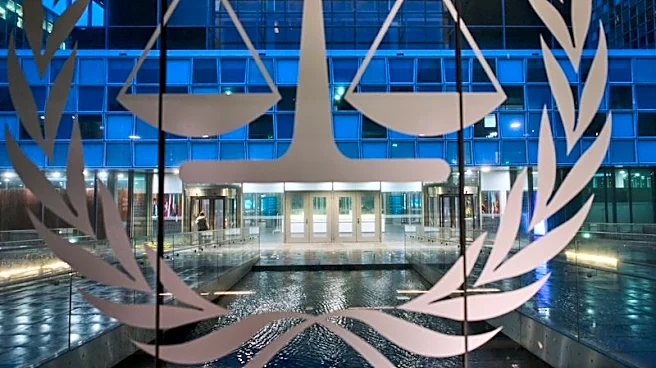
by an international jury. This new voting system was implemented following a significant controversy that led to the resignation of the five-person jury and the withdrawal of several artists and pavilions from the running. The dispute arose from the jury's statement in April that it would not award prizes to national pavilions or artists from countries whose leaders faced charges from the International Criminal Court (ICC), specifically referencing arrest warrants for Vladimir Putin and Benjamin Netanyahu. Nick Cave's exhibition at Venice's Arsenal features seven works, including the monumental bronze sculpture 'Amalgam (Origin),' which explore themes of loss. India's pavilion, titled 'Geographies of Distance,' showcases works by five artists reflecting on the rapid expansion of Indian cities.
Why It's Important?
The Venice Biennale's decision to shift to a visitor-based voting system for its top prizes, following the jury's resignation and artist withdrawals, highlights the increasing politicization of major international art events. This controversy underscores the tension between artistic expression, political statements, and institutional neutrality. The change in the award mechanism could set a precedent for how future international cultural events navigate geopolitical sensitivities, potentially empowering public opinion over expert judgment. For American artist Nick Cave, winning a Visitors’ Lion provides significant international recognition, elevating his profile and the visibility of his work, which often addresses profound human experiences like loss. Similarly, the India pavilion's win brings global attention to its artists and the themes explored in 'Geographies of Distance,' offering a platform for Indian contemporary art on a world stage. The controversy itself also draws more attention to the Biennale, albeit for reasons beyond the art itself.
What's Next?
The implications of the Venice Biennale's new voting system and the preceding controversy are likely to be debated within the art world for some time. Future editions of the Biennale and other international art exhibitions may face pressure to clarify their stances on political participation and award criteria. The success of Nick Cave and the India pavilion under this new system could influence how artists and nations approach their presentations at such events, potentially encouraging more visitor-engaging or politically resonant works. The Biennale's president, Pietrangelo Buttafuoco, has praised the new system, suggesting it may become a more permanent feature. However, the lack of transparency regarding detailed voting results may continue to fuel discussions about the legitimacy and fairness of the awards. The incident also highlights the ongoing challenges faced by cultural institutions in maintaining artistic integrity while navigating complex global political landscapes.
Beyond the Headlines
The controversy surrounding the Venice Biennale's awards reveals deeper ethical and philosophical questions about the role of art in a politically charged world. The jury's initial stance, linking awards to international legal accountability, pushed the boundaries of artistic judgment into the realm of global justice. The subsequent shift to visitor voting, while seemingly democratic, also raises questions about whether popular appeal should supersede curatorial or expert evaluation in prestigious art competitions. This event could signal a broader trend where cultural institutions are increasingly expected to take moral and political stands, rather than remaining purely aesthetic platforms. It also highlights the power of collective action, as the jury's resignation and artists' withdrawals forced a significant change in the award process. The incident underscores the intricate relationship between art, politics, and public perception, suggesting that major cultural events are no longer immune to the pressures of global political discourse.