




What's Happening?
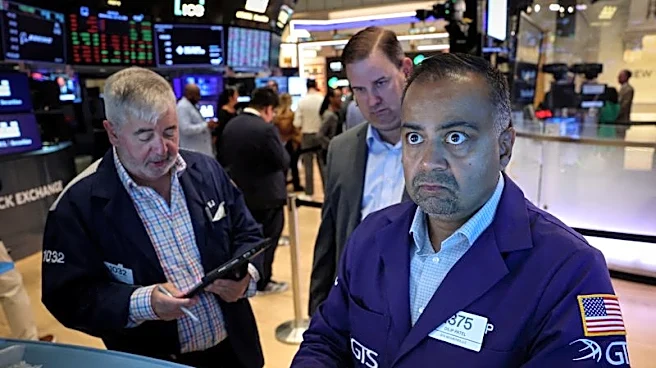
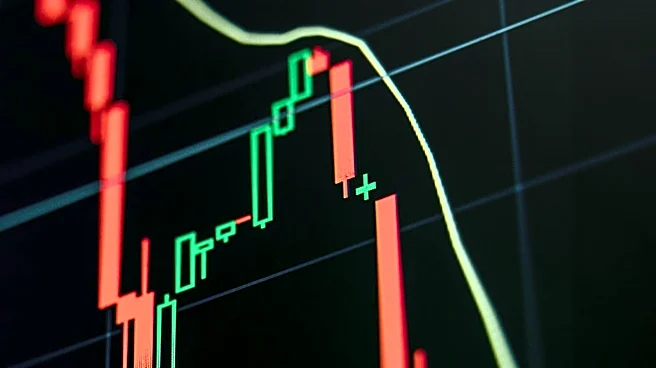
U.S. stock markets experienced a significant downturn on Wednesday following the Federal Reserve's decision to maintain the current interest rates. The Dow Jones Industrial Average fell by 2.2%, closing at 51,594.14, while the Nasdaq Composite decreased
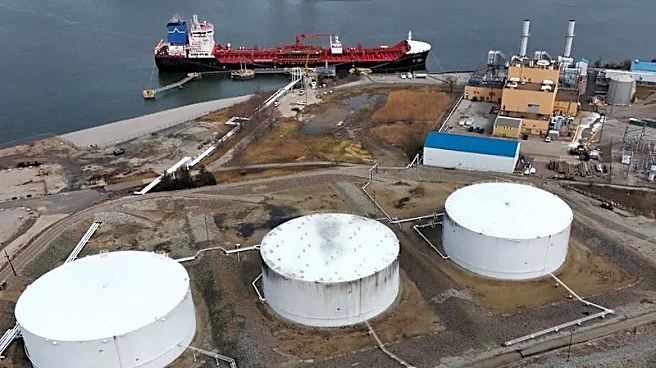
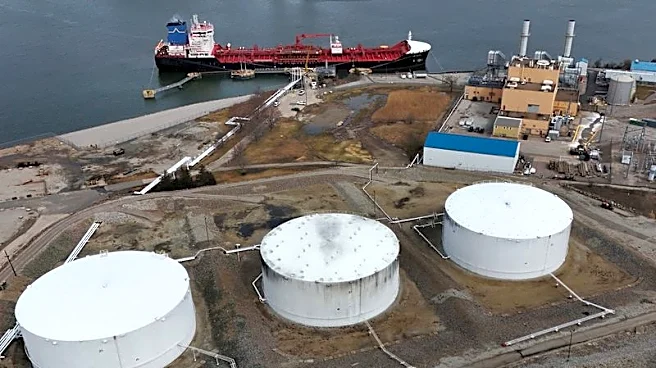
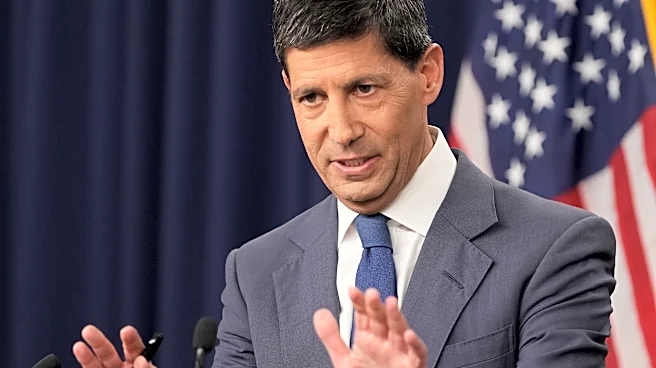
by 1.7% to 24,442.94. The S&P 500 also saw a decline of 1.5%, settling at 7,316.15. This decision marks the fifth consecutive pause in rate changes by the Federal Open Market Committee, which kept the federal funds rate target range at 3.50% to 3.75%. The decision was not unanimous, as three regional Fed presidents, Beth Hammack, Neel Kashkari, and Lorie Logan, expressed a preference for a rate increase. The market reaction was mixed across sectors, with industrials leading the declines and energy stocks showing gains. In the commodities market, crude oil prices rose significantly, with West Texas Intermediate crude increasing by 6.8% and Brent crude by 7.6%.
Why It's Important?
The Federal Reserve's decision to hold interest rates steady reflects ongoing concerns about economic stability amid global uncertainties, including geopolitical tensions. The dissent among Fed members indicates a division in views on how to best manage inflation and economic growth. The stock market's negative response highlights investor concerns about the potential for future rate hikes and their impact on economic activity. The rise in oil prices could further complicate inflationary pressures, affecting consumer spending and business costs. Companies like VF Corporation and Procter & Gamble reported financial challenges, which could signal broader economic issues if consumer demand weakens. The mixed performance across sectors suggests that investors are cautious, balancing the risks of inflation against the potential for economic slowdown.
What's Next?
The Federal Reserve's future actions will be closely monitored, as any indication of a rate hike could further influence market dynamics. Investors and businesses will be watching for economic data that might prompt the Fed to adjust its policy stance. The ongoing geopolitical tensions, particularly involving Iran, could also impact market stability and energy prices. Companies facing higher costs may need to adjust their strategies to maintain profitability, potentially affecting employment and investment decisions. The Fed's next meeting and any statements from its members will be critical in shaping market expectations and economic forecasts.