




What's Happening?
The U.S. labor market demonstrated unexpected strength in October, with employers adding 165,000 jobs, significantly surpassing the forecast of 65,000. The unemployment rate also declined to 4.1%. This robust jobs report has intensified market expectations
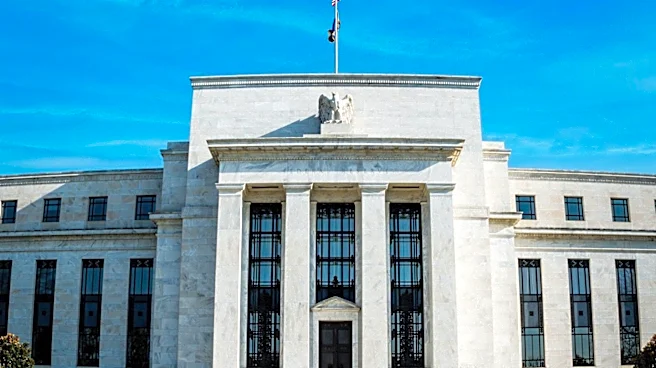
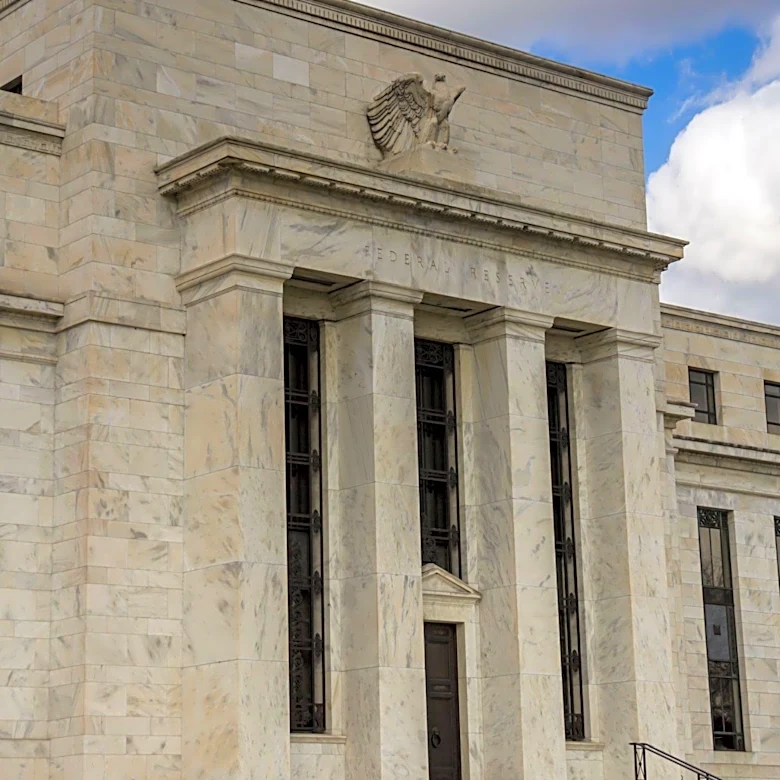
for a Federal Reserve rate hike in December. Before the report, the probability of a December rate hike was around 67%, which surged to approximately 77% afterward. The resilience of the labor market provides the Federal Reserve with greater flexibility to maintain a restrictive monetary policy or even raise rates further to combat inflation. Strong payroll data typically supports household income and spending, and if demand remains firm while inflation is above the Fed's target, policymakers may opt for higher rates to curb borrowing, investment, and consumption.
Why It's Important?
The strong October payrolls report is a critical indicator for the U.S. economy, signaling continued resilience in the labor market despite recent economic uncertainties. This strength empowers the Federal Reserve to potentially pursue further interest rate increases, which has significant implications for financial markets and various economic sectors. Higher interest rates can put pressure on rate-sensitive equities, particularly growth and technology stocks, as future cash flows are discounted at a higher rate, reducing their present value. Real estate investment trusts, utilities, small-cap companies, and highly leveraged businesses may also face increased financing costs. Conversely, financial companies and defensive sectors might become more attractive to investors. The report's impact on Treasury yields and the U.S. dollar, with yields rising and the dollar strengthening, reflects the market's adjustment to the prospect of higher U.S. interest rates relative to other major economies.
What's Next?
The Federal Reserve will consider additional economic data, including inflation figures, wage growth, and financial conditions, before its December meeting. While the strong payrolls report significantly increases the probability of a rate hike, it is not the sole determinant of policy. Traders will continue to monitor the two-year Treasury yield and Fed funds futures for shifts in policy expectations. The market's reaction to this data suggests that a strong economic report can have varied effects across different asset classes, with 'good news' for employment not necessarily translating to universal positive outcomes for all investments. The next phase of market reaction will depend on whether subsequent inflation and wage data confirm the economy's strength and the persistence of price pressures, justifying further monetary tightening.
Beyond the Headlines
The October jobs report underscores the ongoing debate within the Federal Reserve regarding the balance between controlling inflation and supporting economic growth. The resilience of the labor market, while positive for employment, complicates the Fed's efforts to bring inflation down to its target. This situation highlights the challenge of navigating a complex economic environment where different indicators send mixed signals. The potential for continued rate hikes could lead to a re-evaluation of corporate investment strategies, consumer spending habits, and overall economic expansion. Furthermore, the strengthening dollar, a consequence of higher U.S. interest rates, could impact international trade and the profitability of U.S. companies with significant overseas operations, adding another layer of complexity to the economic outlook.