





What's Happening?
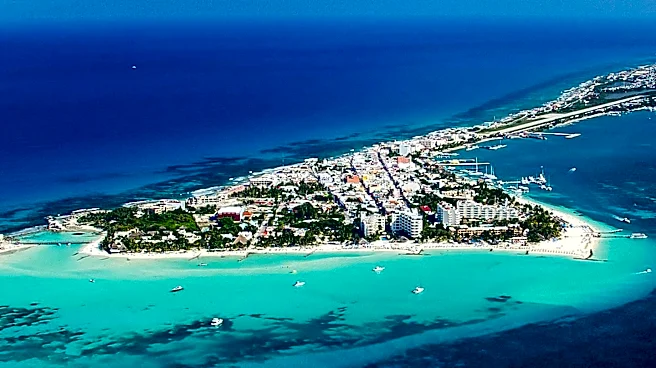
Isla Mujeres is gaining significant attention as a travel destination, attracting visitors who are looking for a more compact and tranquil Caribbean experience compared to the bustling resorts of Cancun. Located just off the coast of Cancun and accessible
by a short ferry ride, the island offers a blend of beaches, marine life, Maya heritage, and local cuisine. Mexico's official tourism information highlights key attractions such as Playa Norte, known for its clear turquoise waters and white sand, and Punta Sur, which features the remains of an ancient sanctuary dedicated to the Maya goddess Ixchel. The island also boasts the underwater MUSA attraction, a museum with hundreds of sculptures installed beneath the Caribbean Sea, offering unique diving and snorkeling experiences. Additionally, Isla Mujeres is recognized for seasonal whale shark tourism from approximately May through September and a rich culinary scene featuring local dishes like tikin xic and snail ceviche. The island's compact size allows travelers to combine multiple experiences within a single trip, from exploring historical sites to enjoying marine activities and local food, without the extensive travel associated with larger mainland destinations.
Why It's Important?
The growing popularity of Isla Mujeres signifies a broader shift in Caribbean tourism preferences, with travelers increasingly seeking destinations that offer a diverse range of experiences beyond traditional resort relaxation. This trend impacts the tourism industry by diversifying demand away from established, larger-scale destinations like Cancun, potentially leading to increased investment and development in smaller, more culturally and naturally rich locations. For the U.S. tourism market, this means more varied options for American travelers, catering to those who prioritize cultural immersion, ecological activities, and a quieter atmosphere over nightlife and extensive resort infrastructure. The emphasis on sustainable tourism planning and registered tourism businesses in Isla Mujeres also highlights a growing consumer demand for responsible travel, influencing how tourism operators and local governments approach development and environmental protection. This shift could encourage other regions to develop similar integrated tourism offerings, balancing visitor experiences with local heritage and ecological preservation, thereby shaping future travel trends and destination marketing strategies.
What's Next?
As Isla Mujeres continues to grow in popularity, the local government and tourism authorities are likely to further implement and expand formal tourism management programs, focusing on sustainable tourism planning, regulation of tourism businesses, and community engagement. This will involve ongoing efforts to balance visitor growth with the preservation of the island's natural and cultural assets. Travelers can expect continued promotion of the island's unique attractions, such as its Maya heritage sites, marine activities, and local cuisine, to attract a diverse range of visitors. There may also be increased development in accommodation options, from luxury properties to more affordable hotels, to cater to both day-trippers and those seeking extended stays. The accessibility of Isla Mujeres from Cancun, facilitated by frequent ferry services, will remain a key factor in its appeal, potentially leading to enhanced transportation infrastructure. Furthermore, the focus on responsible tourism practices, including guidelines for marine excursions and wildlife interactions, will likely be reinforced to protect the environment and ensure long-term sustainability of the destination.
Beyond the Headlines
The rise of Isla Mujeres as a preferred destination reflects a deeper cultural and psychological shift in how people approach leisure and travel. Beyond the obvious economic implications for the tourism sector, this trend suggests a growing desire among travelers for authenticity, connection with nature, and a slower pace of life, moving away from the often-homogenized experience of large-scale resorts. This preference for 'small-island identity' over 'large resort corridor' indicates a re-evaluation of what constitutes a fulfilling vacation, emphasizing unique cultural encounters, environmental engagement, and personal well-being. The island's success in combining diverse offerings—from ancient Maya sites to contemporary underwater art and seasonal wildlife encounters—illustrates a model for integrated tourism that appeals to a broader demographic. This could inspire other destinations globally to leverage their distinct cultural and natural assets, fostering a more nuanced and responsible approach to tourism development that prioritizes local character and ecological integrity over mass appeal, ultimately contributing to a more mindful global travel culture.