









What's Happening?
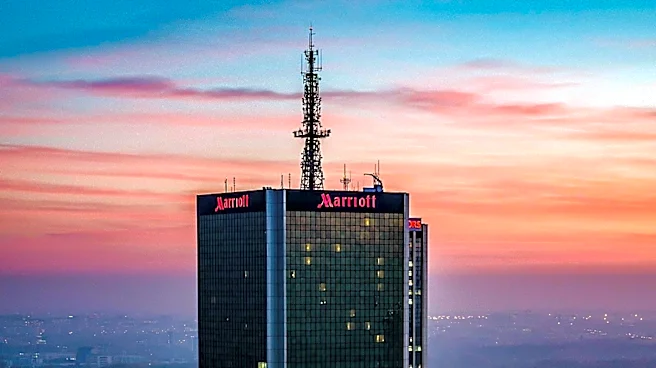
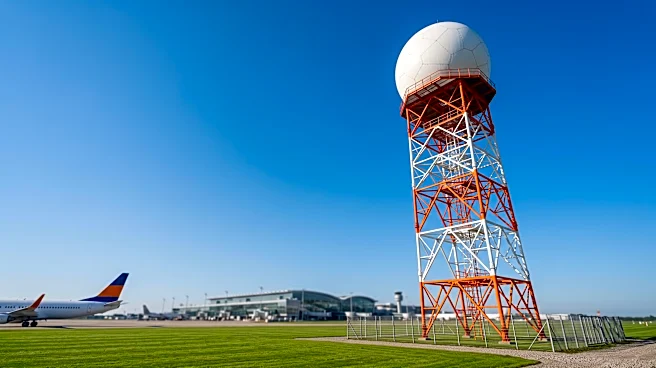
The planned Westin Miami Airport hotel, a 451-key property under Marriott's Westin brand, has been canceled. The Federal Aviation Administration (FAA) rejected the project, citing safety concerns that the 150-foot building would create a radar blind spot,
posing a risk to aircraft at Miami International Airport (MIA). The project, initially announced in early 2024 and expected to open in 2026, involved a competitive bidding process that developers had won. Negotiations to redesign the structure to meet FAA requirements continued for nearly two years, but developers ultimately concluded that reconfiguring the building was not economically viable. This cancellation means MIA must now restart a lengthy procurement process to find a new hotel partner, impacting its broader $14 billion modernization program.
Why It's Important?
The cancellation of the Westin Miami Airport hotel project highlights the critical balance between commercial development and aviation safety regulations. The FAA's decision underscores the paramount importance of maintaining clear radar coverage for air traffic control, as any blind spot could compromise the ability to track aircraft, particularly during approach and departure. For Miami International Airport, this setback disrupts a significant revenue stream, as the airport stood to receive annual payments of $2.5 million or 3.5% of gross revenue from the hotel. It also adds complexity to MIA's ambitious $14 billion modernization program, which includes plans for new Concourse C gates and a passenger tunnel. The need to find a new hotel operator will likely delay the completion of this aspect of the modernization, potentially impacting passenger experience and airport services.
What's Next?
Miami International Airport officials are now tasked with expediting a new request for proposals to attract a different hotel operator. This process will involve a new bidding phase, design, and construction, meaning any replacement project is unlikely to open before 2030 at the earliest. The central challenge for any new developer will be to propose a design that satisfies both commercial requirements and the FAA's stringent safety standards regarding radar coverage. While this hotel project faces delays, other elements of MIA's modernization program, such as the new Concourse C gates and passenger tunnel, appear to be moving forward. The airport currently has an existing on-site hotel, the Miami International Airport Hotel, though it is noted to be outdated, and a sleep pod facility that has received criticism for its pricing.
Beyond the Headlines
This situation at Miami International Airport extends beyond a simple construction delay, touching upon the intricate regulatory environment governing airport development. The FAA's firm stance on radar integrity sets a precedent for future projects near major U.S. airports, emphasizing that safety considerations will override commercial interests when a direct conflict arises. This could lead to more rigorous initial assessments for proposed structures in proximity to airfields nationwide. Furthermore, the economic implications for MIA are significant, as the loss of anticipated revenue from the Westin project will necessitate adjustments to its financial planning and potentially impact the pace of other modernization efforts. The incident also highlights the challenges of large-scale infrastructure projects, where unforeseen regulatory hurdles can lead to substantial delays and increased costs, requiring adaptability from both airport authorities and private developers.