






What's Happening?
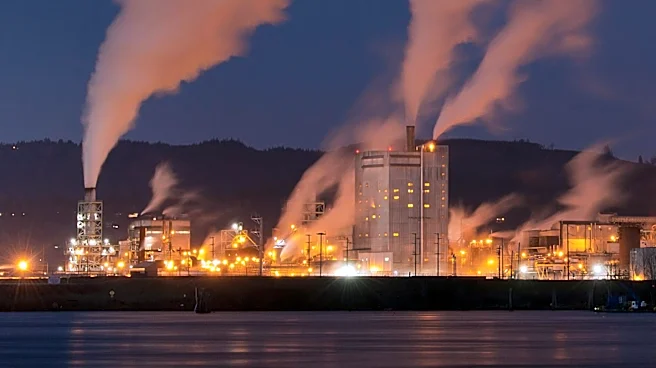
Domtar, a major producer of pulp, paper, packaging, tissue, and wood products, has announced the indefinite idling of its Howe Sound pulp mill in Port Mellon, British Columbia, along with the Bayview Fibre facility. This decision will result in the loss
of 400 jobs and remove 380,000 metric tonnes of northern bleached softwood kraft from the global market annually. Luc Thériault, Domtar’s President for Canada and CEO of its pulp and wood products business, attributed the idling to sustained poor global pulp pricing, a decline in affordable domestic fiber, and reduced demand from Asia. This move follows a trend, as five of the seven British Columbia mills acquired by Domtar since 2010 have now ceased production. The company has invested nearly C$500 million in the Howe Sound operation since 2010. British Columbia Forests Minister Ravi Parmar suggested that advances in hardwood pulping technology, particularly from the southern hemisphere, are undercutting the price of market pulp, contributing to the province experiencing some of its lowest pulp prices in 100 years, adjusted for inflation.
Why It's Important?
The idling of Domtar's Howe Sound mill highlights significant challenges facing the North American forestry and pulp industry, particularly in regions like British Columbia. The loss of 400 jobs will have a direct economic impact on the local community, and the reduction in pulp production capacity could affect global supply chains for paper and packaging products. The competitive pressure from lower-cost hardwood eucalyptus pulp from the southern hemisphere, as noted by British Columbia Forests Minister Ravi Parmar, indicates a structural shift in the global pulp market. This situation underscores the vulnerability of traditional softwood pulp producers to international market dynamics and technological advancements in alternative pulping methods. The broader implications include potential job losses across the forestry sector, reduced economic activity in timber-dependent communities, and a re-evaluation of the long-term viability of certain pulp and paper operations in the U.S. and Canada. The incident also raises questions about the effectiveness of government support, as British Columbia has provided over $50 million to Domtar and its subsidiaries since 2019, with $1.4 million specifically for the Howe Sound mill.
What's Next?
The remaining work at the Howe Sound mill is expected to conclude by mid-October. Domtar has indicated that it will evaluate future opportunities if market conditions improve, suggesting the idling might not be permanent if economic factors become more favorable. British Columbia Forests Minister Ravi Parmar has promised income and mental health support for the affected communities, indicating a governmental response to mitigate the immediate social impact of the job losses. The situation is likely to intensify calls for action within the British Columbia forestry sector to address issues such as wood supply predictability, regulatory environment, and cost competitiveness. This event, coupled with other mill closures in the region, will likely prompt further discussions among industry stakeholders, labor unions, and government officials regarding strategies to reposition the sector and ensure its long-term sustainability. The ongoing competition from southern hemisphere pulp producers will continue to be a critical factor influencing future decisions in the North American pulp and paper industry.
Beyond the Headlines
The indefinite idling of the Howe Sound mill by Domtar points to deeper, systemic issues within the global pulp and paper industry, extending beyond immediate market fluctuations. The shift towards lower-cost hardwood eucalyptus pulp from the southern hemisphere represents a significant long-term challenge for traditional softwood producers in North America. This trend could accelerate the decline of older, less efficient mills, leading to further consolidation and job displacement in the sector. The environmental implications are also noteworthy; while the idling of a mill reduces local industrial emissions, the global shift in pulp production could have broader ecological consequences depending on the sustainability practices of new production hubs. Furthermore, the reliance on government subsidies and the ongoing debate about the competitiveness of the Canadian forestry sector highlight the complex interplay between economic viability, environmental concerns, and public policy. This event serves as a stark reminder of how global market forces and technological advancements can reshape entire industries, necessitating strategic adaptation and innovation for survival.