







What's Happening?
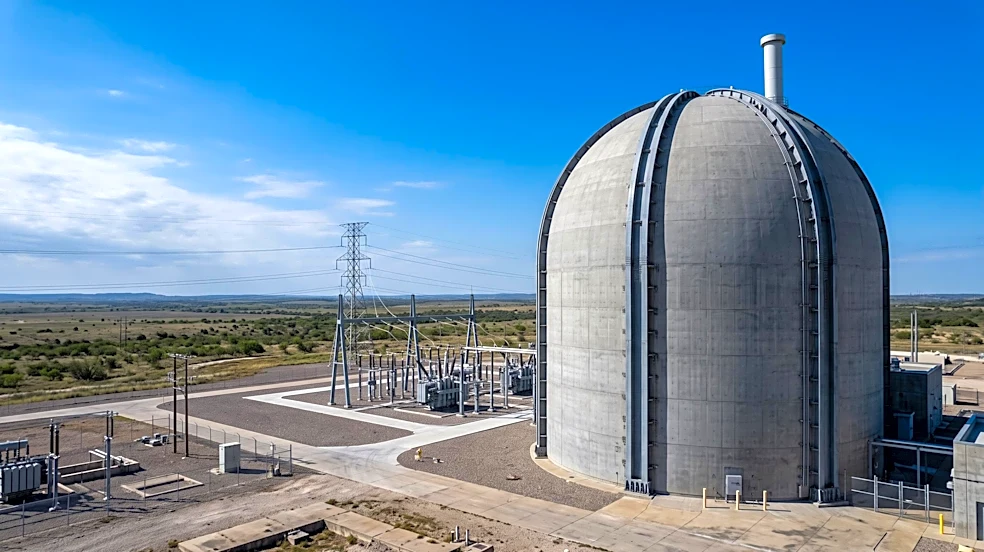
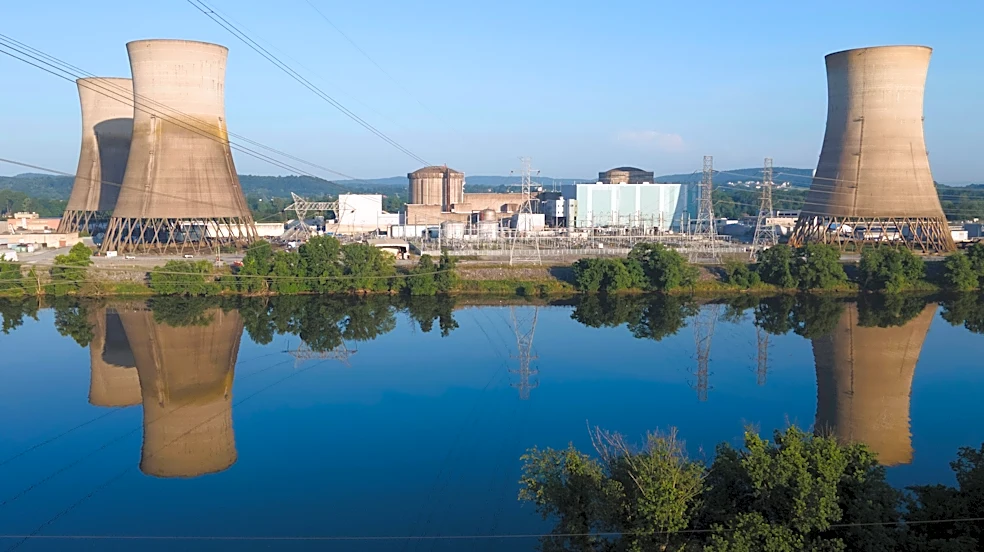
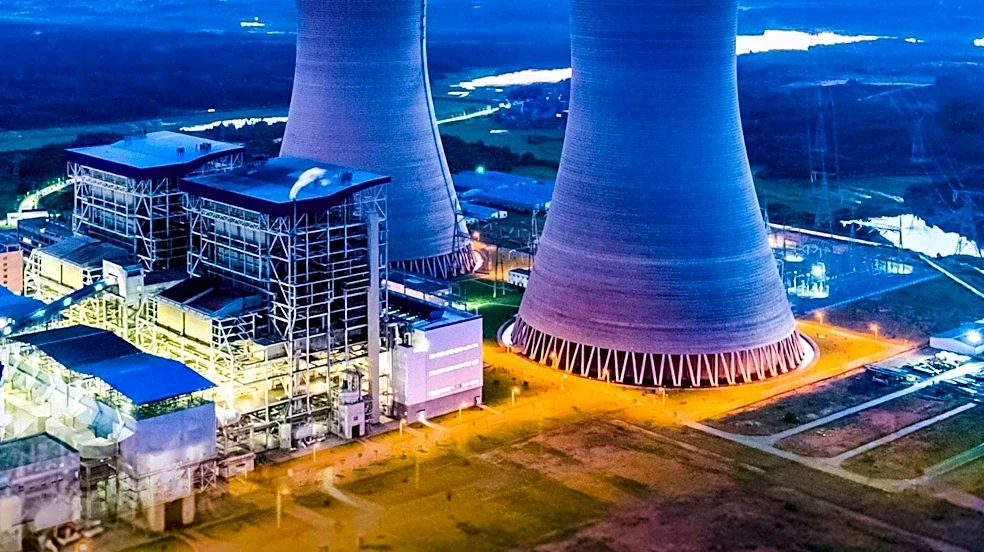
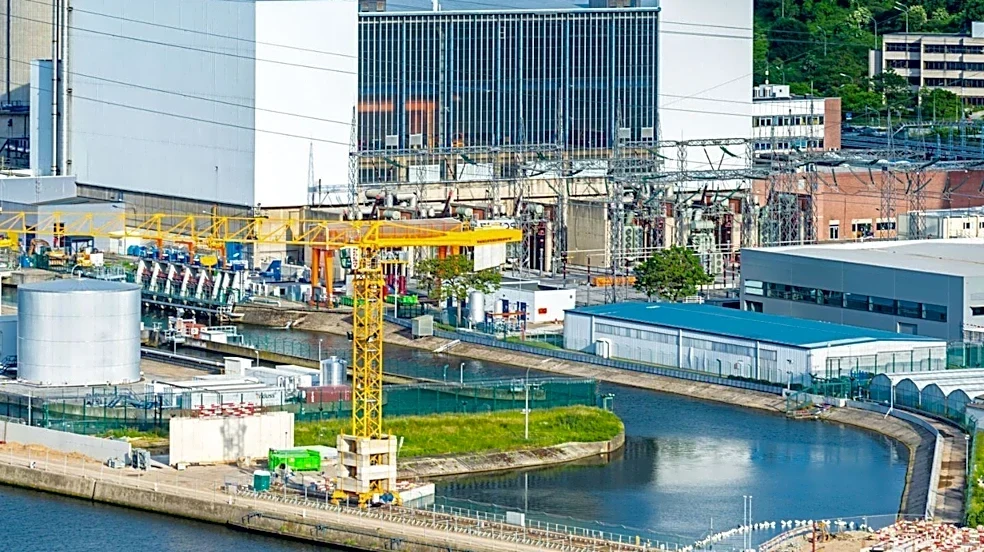
FirstEnergy is strategically aligning its operations with the growing demand for nuclear power and the surging needs of data centers and high-growth sectors in the U.S. The company's business model integrates nuclear generation with a strong emphasis
on transmission and distribution networks, which are crucial for delivering baseload power to customers. FirstEnergy's integrated segment generates approximately US$6.2 billion, distribution US$7.6 billion, and stand-alone transmission US$2.0 billion, contributing to a total valuation of around US$26.7 billion. The company anticipates a significant increase in data center load, forecasting roughly 25 GW by Q2 2026, with 6.4 GW already under contract. This projected demand is expected to drive further investment in transmission and distribution assets, positively impacting long-term revenue and earnings. FirstEnergy aims to participate in cleaner baseload trends through its regulated grid and mixed-generation fleet, even as the nuclear component becomes more prominent.
Why It's Important?
FirstEnergy's focus on nuclear power and data center demand is significant for the U.S. energy landscape and economy. Nuclear power, traditionally a legacy asset, is gaining renewed attention as a reliable, carbon-free electricity source, crucial for meeting climate goals and ensuring grid stability. The massive energy requirements of data centers, driven by advancements in AI and other high-tech industries, represent a new and rapidly expanding market for utility companies. By catering to this demand, FirstEnergy is positioning itself at the forefront of critical infrastructure development that supports the digital economy. This strategy could lead to substantial investments in grid modernization and expansion, creating jobs and stimulating economic growth in the regions it serves. However, the success of this approach hinges on regulatory frameworks that allow for the recovery of grid investments and ensure customer affordability, balancing corporate profitability with public interest.
What's Next?
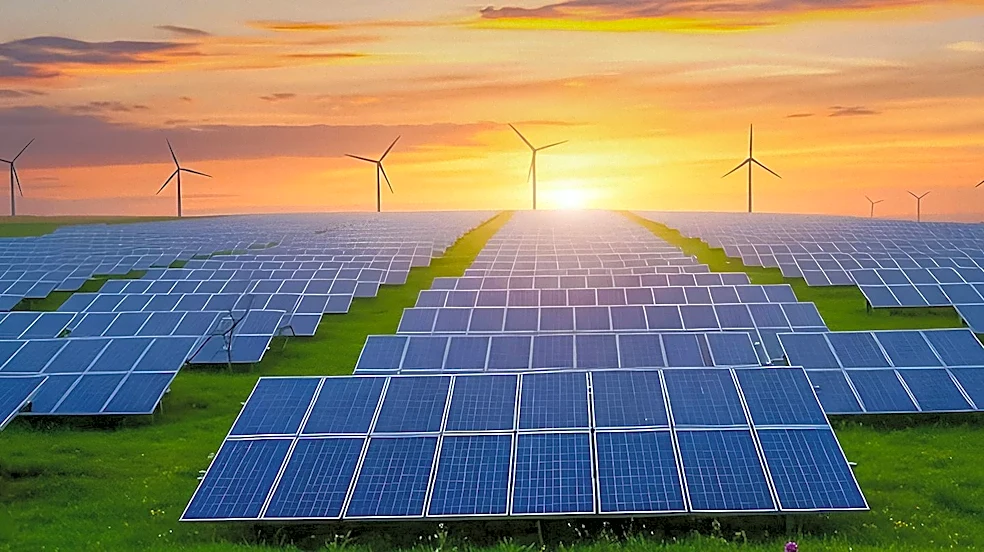
FirstEnergy's future trajectory will largely depend on how regulatory and investment recovery assumptions resolve. The company's plans for grid build-out and expansion to support data center demand will require favorable regulatory decisions regarding cost recovery and rate structures. Investors will closely monitor these developments, as they will influence FirstEnergy's earnings and revenue growth. The increasing demand from data centers and AI sectors is expected to continue driving the need for robust and reliable power infrastructure, making FirstEnergy's transmission and distribution assets increasingly valuable. The company may also explore further integration of renewable energy sources into its mixed-generation fleet to complement its nuclear assets and meet evolving environmental standards. The resolution of these factors will determine the extent to which FirstEnergy can capitalize on the growing energy demands of the digital age.
Beyond the Headlines
The strategic shift towards nuclear power and data center support by utilities like FirstEnergy highlights a broader transformation in the U.S. energy sector. The digital economy's insatiable appetite for electricity is reshaping energy infrastructure priorities, pushing for both increased capacity and cleaner sources. This trend raises important questions about energy security, environmental sustainability, and the equitable distribution of energy costs. The reliance on nuclear power, while carbon-free, also brings considerations of waste management and safety. Furthermore, the concentration of data centers in certain regions could lead to localized energy demands that strain existing grids, necessitating significant upgrades and potentially impacting local communities. This evolving landscape underscores the need for comprehensive energy policies that balance economic growth, environmental protection, and social equity, ensuring that the benefits of technological advancement are widely shared while mitigating potential drawbacks.