






What's Happening?
In Boise, architects are increasingly adopting collaborative workspaces in both office and residential designs. Eamonn Parke, a local architect, highlights the trend of creating spaces that foster communication and performance. These spaces range from
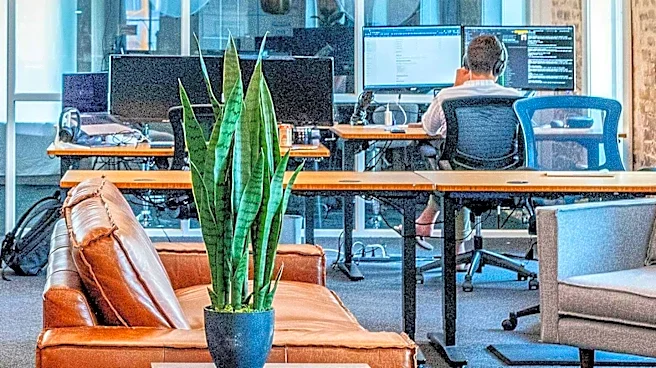
breakout areas to high-tech war rooms, designed to bring people together for joint tasks. The trend is gaining traction in Boise, with shared office spaces like Trailhead and Kiln offering environments that support collaboration. Research by Haworth, a global furniture maker, supports the benefits of such environments, suggesting they help individuals feel valued for their unique contributions. The shift towards collaborative spaces is also seen in educational settings, where open spaces encourage collaboration and focused learning.
Why It's Important?
The move towards collaborative workspaces reflects a broader shift in workplace dynamics, emphasizing the importance of communication and teamwork. This trend is significant as it aligns with the growing demand for flexible and adaptive work environments, particularly in the wake of the pandemic. For businesses, these spaces can lead to improved employee satisfaction and productivity, as they provide environments tailored to specific tasks. In education, collaborative spaces can enhance learning experiences by promoting interaction and engagement. As Boise continues to grow, the adoption of these spaces could attract more businesses and professionals seeking innovative work environments, potentially boosting the local economy.
What's Next?
As the trend of collaborative workspaces continues to grow, more businesses and educational institutions in Boise are likely to adopt these designs. This could lead to increased demand for architects specializing in such spaces, as well as for furniture and technology that support collaborative environments. Additionally, as more people experience the benefits of these spaces, there may be a push for further innovation in workspace design, potentially influencing trends in other regions. The integration of technology in these spaces will also play a crucial role, as it enables remote collaboration and enhances the functionality of these environments.
Beyond the Headlines
The shift towards collaborative workspaces also raises questions about privacy and individual work needs. While these spaces promote interaction, they may not suit everyone, particularly those who require quiet environments for focused work. Balancing the need for collaboration with individual work preferences will be a challenge for designers and businesses. Furthermore, as these spaces become more common, there may be a cultural shift in how work is perceived, with greater emphasis on teamwork and shared goals. This could influence organizational structures and leadership styles, as companies adapt to new ways of working.