



What's Happening?
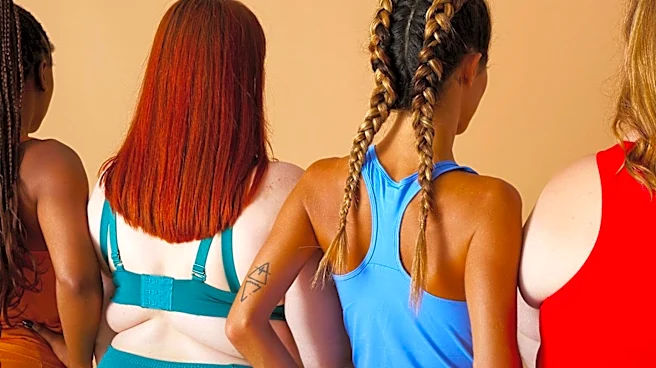
Yahoo has published a comprehensive guide identifying the top seven shapewear pieces after testing over 20 options with a diverse group of individuals. The testing pool, comprising eight people aged 25 to 54, with sizes from XXS to 4XL and bra sizes from 32A
to 32G, evaluated each garment for fit, comfort, performance, quality, and durability. The guide categorizes shapewear by compression level: light, medium, and strong, explaining that the appropriate level depends on the desired effect and duration of wear. Light compression offers flexible shaping for everyday comfort, medium compression provides firmer hold for more fitted clothing, and strong compression is designed for noticeable shaping for specific outfits or events. Experts like stylist Aricia Symes and intimate apparel expert Dora Lau emphasize that shapewear should feel supportive, not restrictive, and that proper sizing is crucial, advising against sizing down. The article also details different styles, including bodysuits, shorts, briefs, thongs, and tanks, each suited for targeting specific areas or addressing particular needs like thigh chafing or visible panty lines.
Why It's Important?
This detailed guide is important for U.S. consumers as it demystifies the often-complex world of shapewear, providing practical, tested recommendations. By categorizing products based on compression level and style, it empowers consumers to make informed choices that align with their specific needs and comfort preferences, rather than relying solely on marketing claims. For the retail and fashion industries, the report highlights key consumer priorities: comfort, effective shaping, and durability. The emphasis on proper fit and avoiding discomfort underscores a shift towards functional and wearable shapewear, moving away from overly restrictive designs. This could influence product development and marketing strategies, encouraging brands to focus on innovative materials and designs that offer both support and flexibility. The guide also addresses common concerns like wearing underwear with shapewear and the temporary nature of its body-shaping effects, promoting realistic expectations among consumers.
What's Next?
Consumers are likely to use this guide to inform their purchasing decisions, potentially increasing sales for the featured top-performing shapewear brands. Retailers and brands not included in the top recommendations may analyze the criteria and consumer feedback to improve their product offerings and marketing. The detailed insights into compression levels, fabric types (like nylon and spandex blends), and structural elements (like boning) could lead to further innovation in shapewear design, focusing on enhanced comfort, breathability, and targeted support. Fashion experts and stylists may continue to provide guidance on integrating shapewear into daily wardrobes, emphasizing its role as a styling tool rather than a body-changing solution. Future reviews and guides will likely build upon these findings, continually refining recommendations as new products and technologies emerge in the market.
Beyond the Headlines
The discussion around shapewear extends beyond mere fashion to touch upon broader societal perceptions of body image and comfort. The guide's emphasis on choosing shapewear for comfort and support, rather than for drastic body alteration, reflects a growing movement towards body positivity and self-acceptance. It subtly challenges the historical narrative of restrictive undergarments, advocating for products that enhance natural silhouettes without causing discomfort. This shift suggests a more mature consumer base that values well-being and practicality alongside aesthetic appeal. The article also highlights the importance of expert advice in navigating product choices, underscoring the value of informed journalism in a saturated market. Ultimately, the evolution of shapewear, as presented in this guide, mirrors changing cultural attitudes towards personal style, comfort, and health, influencing how individuals perceive and dress their bodies.